wholesale water resistant custom kitchen cabinets suppliers: Specification, Ordering and Quality Notes
Selection rule: spend on moisture-resistant board and sealed edges where cabinets face routine splash or humid air; reserve standard interior-grade construction for dry zones. Water-resistant construction slows moisture uptake, but it does not make a cabinet waterproof or protect it from standing water or an undetected leak.
The Problem Buyers Keep Paying For
Tooling amortisation decides whether a custom cabinet quote stays economical across a repeat order. If each run changes carcass dimensions, hinge positions or edge details, the factory must revise CNC programs and inspection references; the unit price then carries more setup cost, and mixed revisions are easier to miss.
Moisture problems often start at a cut edge, joint or sink-base opening rather than across the finished panel face. A lower-cost board can absorb water at an exposed edge, swell, and leave doors out of alignment. Returns then include more than the damaged unit: replacements can disrupt a retailer’s installation schedule and create disputes over which production lot was supplied.
Compare the complete specification, not the board label alone: board grade, panel thickness, edge material, adhesive and treatment of cut-outs all affect the price and moisture exposure. For a launch order, freeze those details with the approved drawing before the production lot is released.
Size, Weight and Specification Range
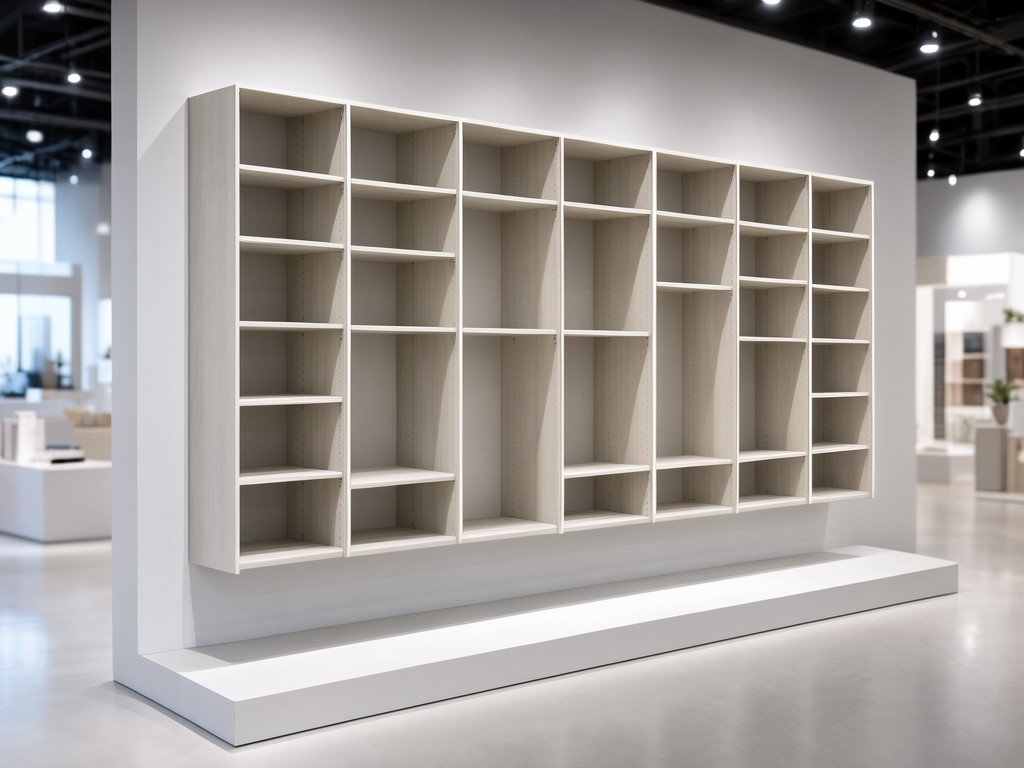
Cabinet dimensions are usually built to the buyer’s drawing rather than selected from a single universal size set. The ranges below are planning references for common modules; confirm finished dimensions, clearances and carcass weight against the approved bill of materials, especially when a run combines different board thicknesses or drawer hardware.
| Cabinet or component | Typical planning range | Weight / construction note |
|---|---|---|
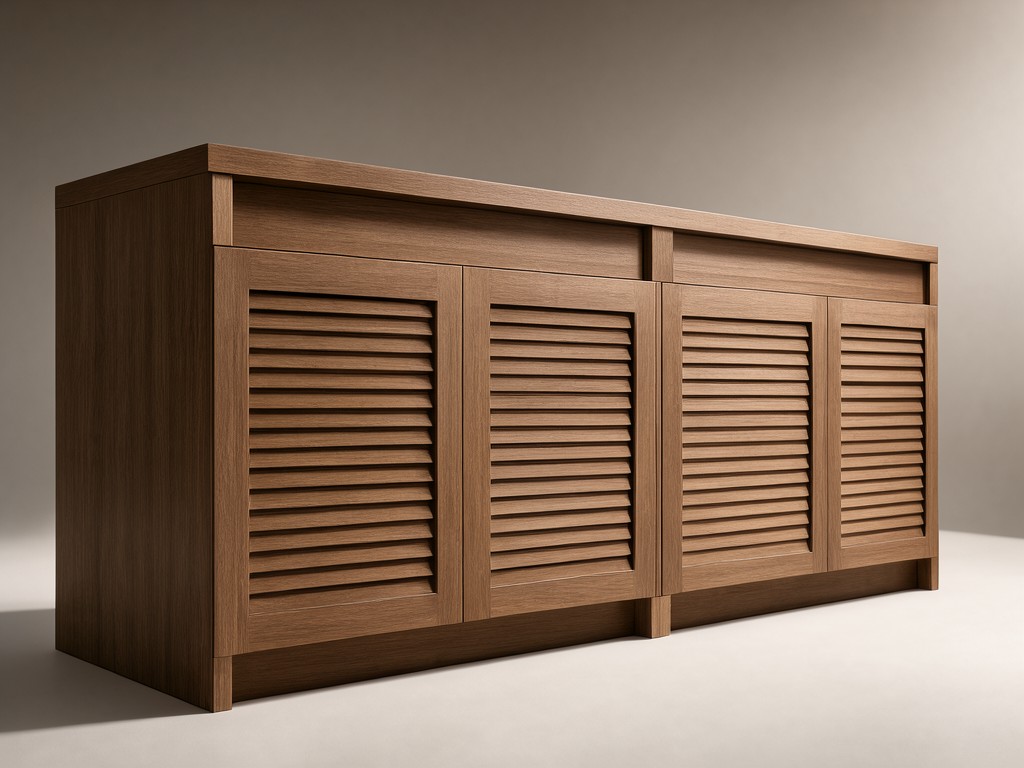
| Base cabinet module | Width 300–900 mm; depth about 560–600 mm; carcass height commonly 720–800 mm before plinth and worktop | Empty carcass often falls around 12–35 kg; drawers, doors and thicker panels change the figure. |
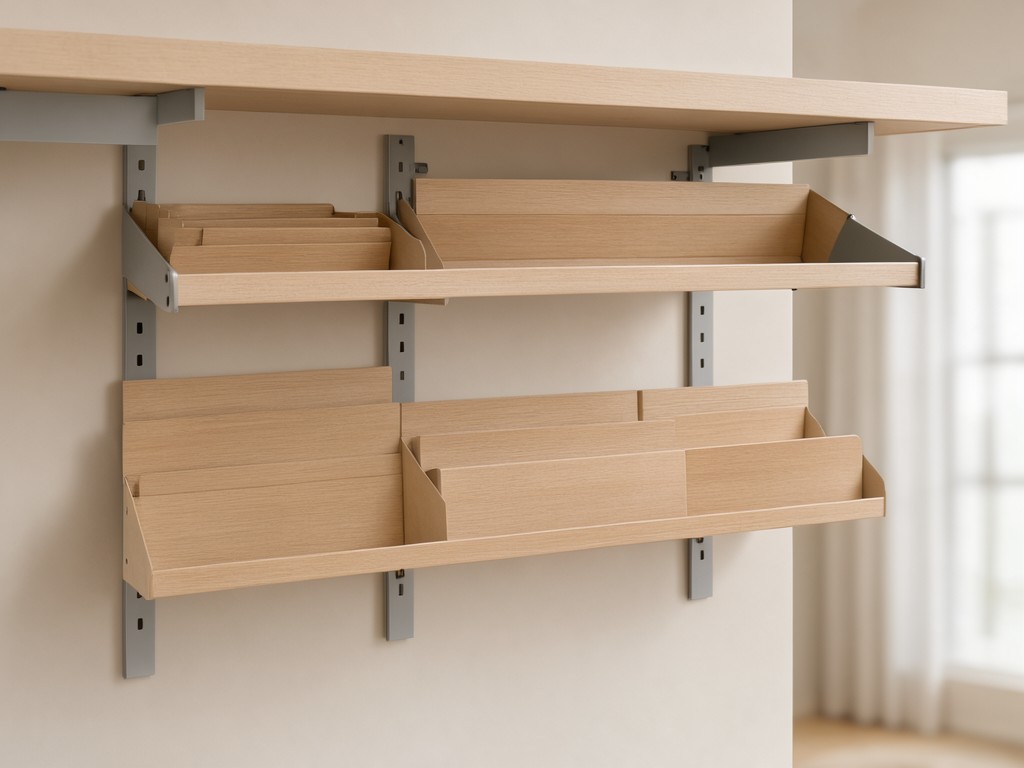
| Wall cabinet module | Width 300–900 mm; depth about 300–350 mm; height commonly 600–900 mm | Empty carcass often falls around 8–25 kg, depending on height, shelves and board selection. |
| Carcass panels | Sides, bottoms and shelves commonly 16–18 mm; back panels vary by joining and installation design. | Moisture-resistant particleboard or MDF may be specified by component; plywood is another option where the design and price allow. |
Cabinet weights above are indicative, not a shipment or installation limit. Confirm the finished-unit weight when buyers need a defined handling allowance or when wall-hung units require a particular fixing design.
| Finish option | Colour and surface choices | Selection trade-off |
|---|---|---|
| Melamine-faced panel | Solid colours, woodgrain patterns and selected textured surfaces | Usually economical for repeated carcass colours. Protect exposed edges and cut-outs from water ingress. |
| High-pressure laminate surface | Buyer-selected solid, patterned or textured decors, subject to supplier availability | Adds material and processing cost; useful when the specified surface needs greater resistance to routine wear than a basic panel finish. |
| Thermofoil or wrapped door | Solid colours and selected profiles or surface effects | Profile and colour affect tooling and matching. Keep the surface away from sustained heat and follow the door supplier’s care limits. |
Buying Mistakes That Lead to Returns
Lower Initial Cost
A lower-cost carcass may use a standard board grade or thinner edge treatment. If the cabinet sits beside a sink or dishwasher, water can reach joints and exposed panel edges; swelling can then affect door gaps and shelf fit.
Specified for the Exposure
A moisture-resistant panel with sealed edges costs more, but it is a better fit for routine splash exposure. It still needs prompt spill cleanup and sound plumbing; buyers should not treat the label as permission for standing water.
Returns also follow specification drift. A replacement door with a slightly different colour or gloss level can stand out beside the original installation even when each unit passes a basic visual check on its own. Approve a physical finish sample and define which board, edge band and supplier reference apply to repeat production.
Before placing a wholesale order, confirm appliance clearances, wall and floor reference points, hinge side, handle drilling, plinth height and sink-base cut-outs. Missing dimensions force assumptions into production; those assumptions often surface later as site modifications or unusable modules.
Usage Scenarios and Buyer Segments
Wholesale distributors serving kitchen retailers often need repeatable cabinet dimensions and finish codes across several customer orders. A stable carcass specification helps installers work from familiar layouts, while a controlled decor reference reduces visible mismatch between initial stock and replenishment units.
Property renovators and multi-unit housing buyers usually balance a fixed room plan against a defined purchase budget. Standard module widths can reduce custom machining, but end panels, filler strips and sink units still need project-specific dimensions. Where kitchens see frequent cleaning or humid conditions, specify moisture-resistant board for the relevant carcasses and protect panel edges at service openings.
Clubhouse and staff-kitchen purchasing managers should account for daily use, cleaning frequency and the chance of leaks around sinks or appliances. A sealed edge and suitable surface finish can reduce routine moisture exposure; no cabinet construction substitutes for ventilation, maintenance or leak repair.
How Consistency Is Held Across Batches
Lot-to-lot consistency starts with one controlled drawing and bill of materials. CNC cutting and drilling follow the released dimensions and hole pattern; changing a hinge position or panel thickness without revising the drawing can create assembly differences even when the cabinet’s outside size appears correct.
Batch control point: keep board grade, thickness, edge specification, finish reference and hardware drilling tied to the same revision. If a material substitution is needed, obtain approval before production; a nominally similar colour or panel can differ in sheen, texture, thickness or machining behaviour.
Factory checks can compare panel dimensions, squareness, hole locations, edge coverage and finished-unit assembly against the approved drawing. Finish review should use the signed sample as the comparison reference, with colour and gloss checked under consistent viewing conditions. Retained samples and recorded lot details make later claims easier to assess.
Moisture-related checks should focus on the specified board and vulnerable edges, not on a broad claim that the assembled cabinet is waterproof. Buyers can agree on sample inspection points for cut edges, sink openings and joints before ordering, then use the same points for subsequent lots.
Keeping Repeat Orders Supplied
Stock availability depends on the selected board, decor, edge material and hardware combination. Common panel colours may be easier to replenish than a custom finish, while a change in board source can alter shade, surface texture or machining results. Buyers working to a retail or project launch date should confirm availability against the approved specification rather than assume that a similar-looking stock item is interchangeable.
For repeat purchases, retain the cabinet drawing revision, finish sample reference, hardware schedule and approved substitutions with the purchase order. Forecasting the same module mix and finish set gives the supplier a clearer basis for reserving materials; late changes to door style, drilling or decor can require a fresh approval and reset production planning.
Ask the supplier to identify any material or finish change before it enters the production lot. Written approval protects the buyer from receiving a visually mixed batch and gives both sides a record for future reorders.
Questions Buyers Ask Before Ordering
Does Water-Resistant Board Make the Cabinet Waterproof?
No. It is intended to resist moisture exposure better than standard interior-grade board, but prolonged contact with water can still cause damage. Edge sealing, sound installation and prompt repair of leaks remain necessary.
Can a Supplier Match the Same Colour on a Reorder?
A supplier can use the approved decor reference and retained sample to control the match, but material availability and production variation can affect appearance. Confirm the acceptable visual tolerance and request approval if the original decor or source is no longer available.
What Information Is Needed for a Custom Quote?
Provide module dimensions, board and panel thickness, finish references, edge details, door and drawer configuration, hinge side, handle drilling and hardware requirements. Include appliance and sink clearances where those affect carcass dimensions or cut-outs.
How Can Tooling and Setup Cost Be Reduced?
Keep repeated modules, drilling patterns and finish choices consistent across the order where the project allows. A shared specification reduces program changes and makes inspection references clearer; custom profiles or frequent drawing revisions add setup work.
Review the Specification Before Production
Send the module schedule, drawings, finish references and expected reorder mix for a specification review. Confirming materials, dimensions and batch controls before release can reduce avoidable revisions and protect the launch plan.
Request a specification review