wholesale wall mounted open wardrobe closet system factory - Bulk Supply and Specification Guide
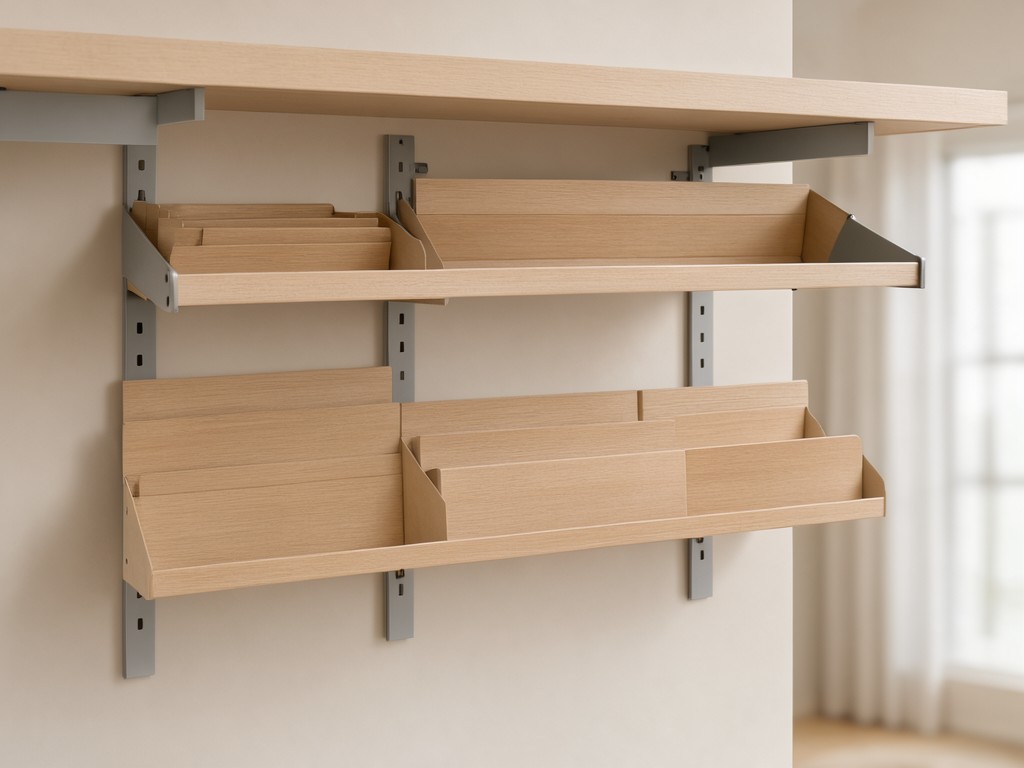
Process choice shows up later as variation in shelf alignment, rail fit and coating condition across cartons. A wall-mounted open wardrobe system is typically built from formed metal uprights or wall rails, brackets, hanging rods and shelves; shelf material and finish depend on the programme.
The commercial question is not only the factory price per set. Buyers need to account for hardware compatibility, packaging damage, installation complaints and the cost of replenishing mismatched components. A controlled specification and repeatable forming setup help keep those costs visible before the first bulk order.
How It Is Built and What That Changes
The build method decides how consistently wall tracks, upright slots and brackets engage. A typical metal system starts with sheet or strip stock that is cut, punched or formed to the agreed profile. Parts are then deburred, finished and checked before the shelves, rods and mounting hardware are packed as a set.
Tooling that holds hole pitch and profile dimensions costs more to establish than a loosely controlled manual setup. At repeat volumes, that cost can be spread across more sets, while consistent mating parts reduce sorting and installation-related returns. Shelf substrates and surface treatments affect the unit cost separately, so they should be locked with the metal specification rather than treated as late substitutions.
For humid rooms or seasonal storage areas, specify the finish and shelf edge treatment for the expected exposure. A coated metal part can resist ordinary indoor moisture, but it is not automatically suitable for outdoor use or standing water; confirm the intended environment before approving the finish.
How to Choose Before Requesting a Quote
Use the decision path below to settle the configuration before comparing unit prices. A clear scope lets the factory quote tooling, materials and packing on the same basis.
- Start with the installation surface.
- For timber studs or masonry, define the intended fixing method and included hardware.
- For other wall constructions, confirm anchor compatibility separately; a system’s rated capacity depends on the wall and fixing, not only the rail.
- Set the storage layout.
- Choose the number and position of shelves, hanging rods and uprights from the target wardrobe width and user access needs.
- If the range includes multiple widths, confirm whether shared components can serve several set configurations.
- Then lock materials and finish.
- Select metal thickness and profile against the intended load and span; a heavier section raises material cost and shipping weight.
- Specify shelf substrate, edge finish and coating colour before sample approval, especially where humidity exposure or visible colour matching matters.
- Finally, compare the landed set cost at forecast order volumes. Include tooling allocation, hardware, protective packing and the cost of any variant-specific parts, not only the price of the main frame.
Assumptions Buyers Should Stop Making
A wall-mounted system is not load-safe simply because its metal parts feel heavy. The wall material, anchor selection, fixing pattern, rail span and load placement all affect the installed result. Buyers should request a defined configuration and installation guidance rather than compare an isolated load figure across different setups.
A powder-coated finish also does not make the wardrobe an outdoor product. Humidity, cleaning chemicals and damage at cut edges can change corrosion behaviour. For indoor use in damp locations, agree the coating and inspection criteria; for exposed outdoor installation, request a separate material and finish review.
Low order volume does not always mean the lowest total cost. If each size needs separate setup or custom parts, tooling and changeover costs can dominate. Consolidating compatible components across a range can lower the cost per set sold, although a larger initial order may tie up more inventory.
Who Uses It and Where It Matters
Usage level changes the specification that makes commercial sense. The comparison below is a starting point for assortment planning, not a substitute for checking wall construction and installation details.
| Usage level | Typical buyer and setting | Specification focus |
|---|---|---|
| Occasional household use | Retail buyers serving renters and homeowners who need an adaptable bedroom or spare-room storage layout. | Straightforward assembly, protected shelf edges, clear hardware identification and a finish suited to normal indoor conditions. |
| Frequent shared use | Property managers furnishing staff rooms, student accommodation or rental units where users change and fittings see repeated handling. | Consistent bracket fit, wall-fixing guidance, replaceable components and finish checks after packing. |
| High-turnover commercial use | Procurement teams fitting staff changing rooms or short-stay accommodation that require repeatable layouts across multiple rooms. | Repeatable dimensions, a controlled bill of materials, installation checks and carton-level identification for replenishment. |
OEM and ODM Programme Structure
An OEM programme usually starts from an existing rail, bracket and shelf platform, then applies the buyer’s dimensions, finish, packaging and retail identity. ODM work adds design development, such as a revised upright profile or a new shelf arrangement, and may require dedicated tooling or fixtures.
Tooling should be priced against the expected programme life, not only the first shipment. At modest volume, a shared platform with fewer unique parts can reduce the tooling allocation per set. At larger repeat volume, dedicated tooling may improve dimensional control and reduce changeovers, but the approved drawing, sample and ownership terms should be settled before production release.
For a quote, provide target set dimensions, material and finish preferences, estimated order volume, destination market, packaging needs and artwork files. Changes to hole position, metal gauge, shelf substrate or carton layout after sampling can affect both unit cost and schedule.
How Consistency Is Held Across Batches
Consistency is set at the forming stage. Tool condition, material thickness and feed alignment influence profile shape and hole location, so the factory should check first-off parts against the approved drawing before a production run proceeds.
During production, dimensional checks should cover rail length, hole pitch, bracket engagement and shelf fit at a frequency agreed for the order. Surface inspection can identify coating skips, scratches and edge damage before cartons close. Where the design includes a stated load configuration, a sample assembly can be checked under that defined setup; the result should not be applied to a different wall or fixing arrangement.
Batch records should tie the approved bill of materials and finish to the production lot. That record makes repeat orders easier to compare and helps isolate whether a complaint came from a part change, installation condition or transit damage.
Packing, Marking and Freight Configuration
Long rails and shelves are vulnerable to bending, chipped corners and coating abrasion if they shift inside the carton. Separate finished surfaces, restrain loose hardware and protect exposed edges; the packing design should be checked against the actual part lengths and the chosen freight route.
Carton marks can identify model, finish, set contents and batch reference. Retail programmes may also require barcode labels, instruction sheets or market-specific warnings, so artwork approval should include the carton layout and not only the product label. A knock-down pack can lower freight volume, but only if assembly steps remain clear and the hardware count is controlled.
Request a tooling review before confirming a custom profile or a multi-size range. The review can identify shared components, required forming tools and the volume at which dedicated tooling may reduce the cost per set sold. Send your drawings and target order volumes for a tooling review.