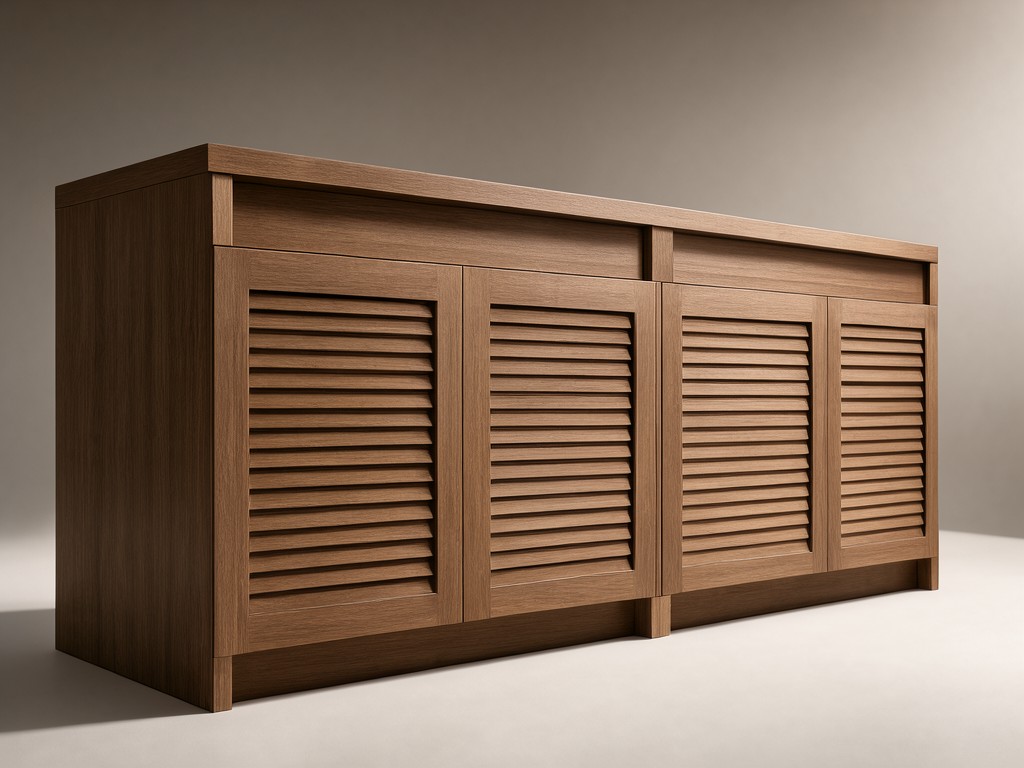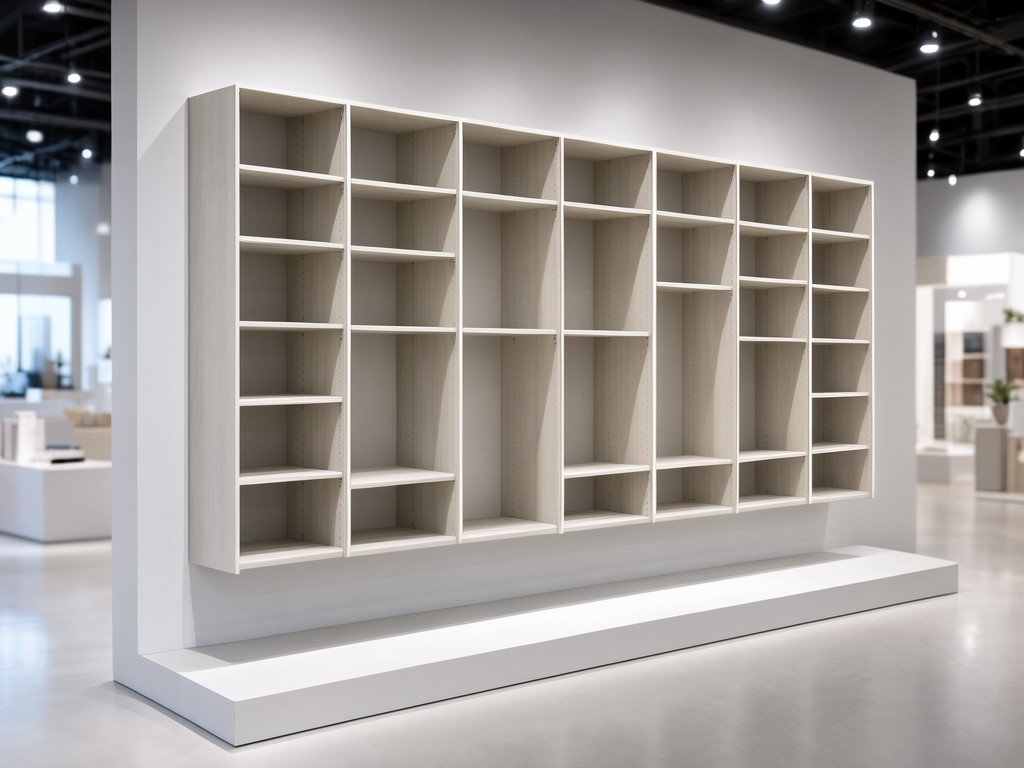
wholesale wall mounted closet wardrobe organizer system exporter: Specification, Ordering and Quality Notes
How It Is Built and What That Changes
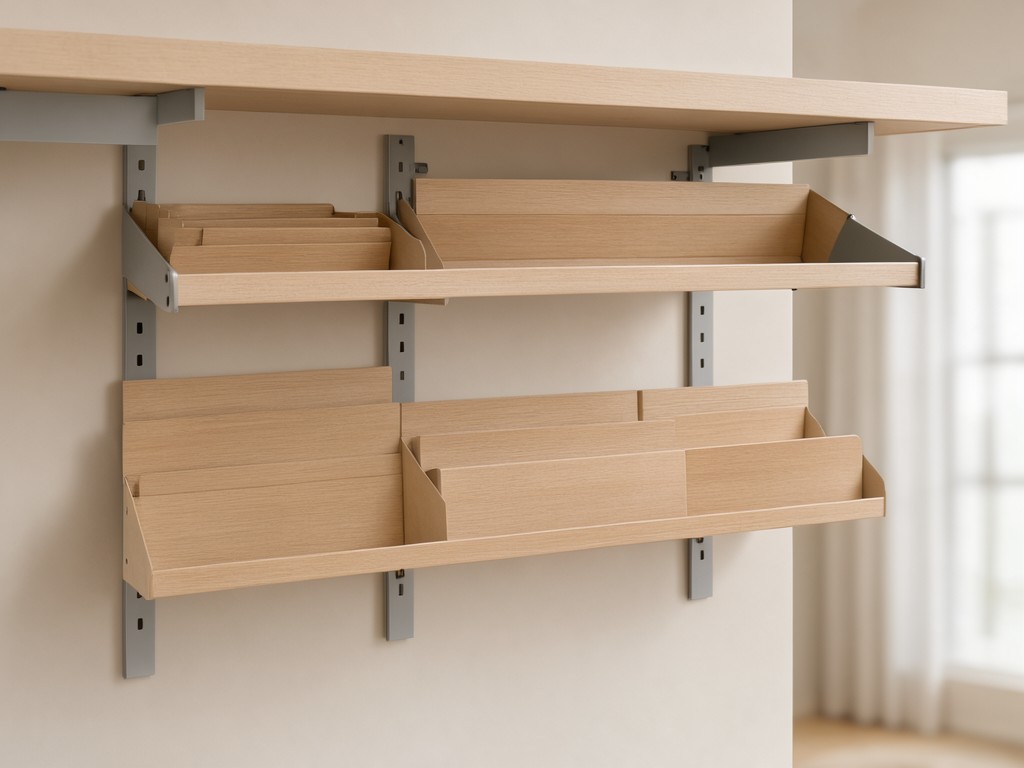
Process choice shows up later as rail alignment, shelf fit and the time a buyer spends resolving missing or mismatched parts. A typical system combines punched steel wall standards, brackets, hanging rods and shelves; shelf construction may use coated steel or cut wood-based panels with an applied surface. The rail and bracket geometry is formed and punched to a controlled drawing, then steel parts receive a selected finish, commonly powder coating.
Powder-coated steel gives a consistent colour across visible metal parts, but colour and gloss must be approved against a physical sample because different batches or substrates can look unlike the reference. Panel shelves can offer a broader décor range, while adding edge treatment, panel thickness and dimensional fit to the approval list. The decision rule is to freeze the component materials, finish and interface dimensions together—not approve each part in isolation.
Agree the wall-standard hole pattern, bracket engagement and shelf depth on a dimensioned drawing. Confirm the intended wall substrate and installation method separately; anchors are site-dependent and should not be treated as universal system hardware.
Requirements by Buyer Segment
First-article tooling determines whether the approved design can be repeated without changing how components mate. Use the sequence below to qualify a second source before production quantities are committed.
- If you are a retail buyer, start with the core assortment and installation format. Specify rail length, shelf sizes, finish and included hardware, then check that the carton contents map clearly to the retail item.
- If you are a private-label buyer, approve the fit before artwork. Review a first article against the drawing, confirm the colour sample, and approve packaging graphics and instructions as separate controlled files.
- If you manage purchasing for a club or shared facility, define the storage pattern and expected users first. Select shelf and rod configurations that suit repeated daily access, and document the wall type and installation responsibility for each site.
- If the goal is to reduce single-supplier exposure, compare the second source against the approved sample and revision-controlled drawing. Hold any substitution in steel gauge, panel material, coating or hardware for written approval before it enters the production specification.
Capacity, Tooling and Scheduling
The build method decides which dimensions need dedicated punch tooling and which can be changed through setup. Existing hole patterns and standard rail lengths can shorten development; a new bracket profile or non-standard slot pattern may require tooling review and a first-article check before the schedule is confirmed.
Share a complete drawing pack before requesting a firm production window: part dimensions, material and thickness, finish reference, allowable fit variation, item configuration and carton quantities. The factory can then separate sample approval, tooling work, material procurement and production planning instead of treating them as one lead-time estimate. Final timing depends on approvals and material availability, so a delayed colour or drawing sign-off can move the production slot.
Set dimensional tolerances on the product drawing at the interfaces that affect assembly—such as rail hole spacing, bracket engagement and shelf fit. Avoid applying one blanket tolerance to every cut edge or formed feature.
Keeping Repeat Orders Supplied
For a second-source program, repeatability depends on keeping the approved revision, component list and finish reference tied to each order. Stock availability can apply to standard steel sections or common hardware, but custom colours, panel décors and altered punch patterns may need fresh purchasing or setup. Confirm what is held as stock and what is made against the order before assigning replenishment dates.
| Customization point | Options to define | Approval basis for repeat orders |
|---|---|---|
| Rail and bracket geometry | Length, hole pattern, bracket depth and shelf support format | Revision-controlled drawing and assembled first article |
| Metal finish | Standard colour or buyer-selected colour and gloss level | Signed physical sample or retained reference sample |
| Shelf construction | Coated steel or panel shelf, with agreed thickness, edge and décor | Approved material sample and dimensional inspection points |
| Private-label presentation | Colour artwork, item identification and instruction format | Buyer-approved artwork proof and packaging specification |
Keep a signed sample or approved digital record with the drawing revision. Incoming and final checks can then focus on dimensions that affect assembly, finish appearance, component count and the match between the packed kit and its bill of materials.
Care, Storage and Service Life
A closet organizer is only as serviceable as its wall attachment and accessible replacement parts. Installation must match the wall construction and the load conditions stated for the approved configuration; do not assume a fastener suitable for one substrate will suit another. Check that rails sit straight and that brackets are fully engaged before loading shelves or hanging rods.
For routine care, wipe coated steel and shelf surfaces with a soft cloth and mild cleaner, then dry areas where moisture can remain. Avoid abrasive pads and harsh cleaners that can mark the coating or shelf edge. During storage, keep parts dry and separated from sharp hardware; scuffed coating or chipped panel edges can become visible after installation and are harder to address in the field.
For service programs, identify rails, brackets and hardware by part number rather than selling a complete kit for every repair. Keep the approved parts list current when a component changes, and route any replacement that affects fit through the same drawing and sample approval process.
Ordering, Tooling and Lead-Time Questions
What should be approved before the first production order?
Approve the dimensioned drawings, material and finish selections, assembled first article, bill of materials and any private-label artwork. Record the approved revision and sample reference so a repeat order can be checked against the same basis.
Which changes may require new tooling or another sample?
A revised slot or hole pattern, a new bracket profile, or a change to a formed feature can require tooling review and a fresh fit check. A colour change may need a new finish sample even when the metal geometry is unchanged.
Can standard components be combined with custom parts to reduce MOQ?
Often, standard rail sections or common hardware can be paired with a custom shelf or finish, subject to the factory’s current stock and setup requirements. Ask for the MOQ by customized component, not only by complete system, and confirm whether mixed configurations share the same approved parts.
When can the production lead time be confirmed?
A firm schedule is possible after the drawing revision, sample, artwork and order configuration are approved and material availability is checked. If any of these remain open, the quoted timing should be treated as provisional.
For a second-source quotation review, send the current drawings, approved sample details, target order mix and any open deviations. Request a quotation review before tooling or production approval.