wholesale tv wall unit with hidden storage suppliers: Specification, Ordering and Quality Notes
Total cost of ownership shifts once returns are counted. For importers and distributors, a lower unit price can be offset by damaged corners, inconsistent cabinet alignment, difficult wall installation or concealed compartments that do not suit the intended electronics. Compare the landed cost against expected claims and replacement-part handling, not the purchase price alone.
Start supplier discussions with a controlled drawing, material schedule and pack-out requirement. The planning ranges below are common starting points for made-to-order furniture; the signed sample and approved specification should govern production.
Overall width
About 1,200–2,400 mm
Confirm wall span, screen size and module breaks on the approved drawing.
Cabinet depth
About 350–450 mm
Set against device depth, cable clearance and room circulation.
Indicative assembled mass
About 35–90 kg
Panel thickness, width and storage layout change the final weight.
Typical core choices
MDF, particleboard or plywood
Select to match price point, finish and expected room conditions.
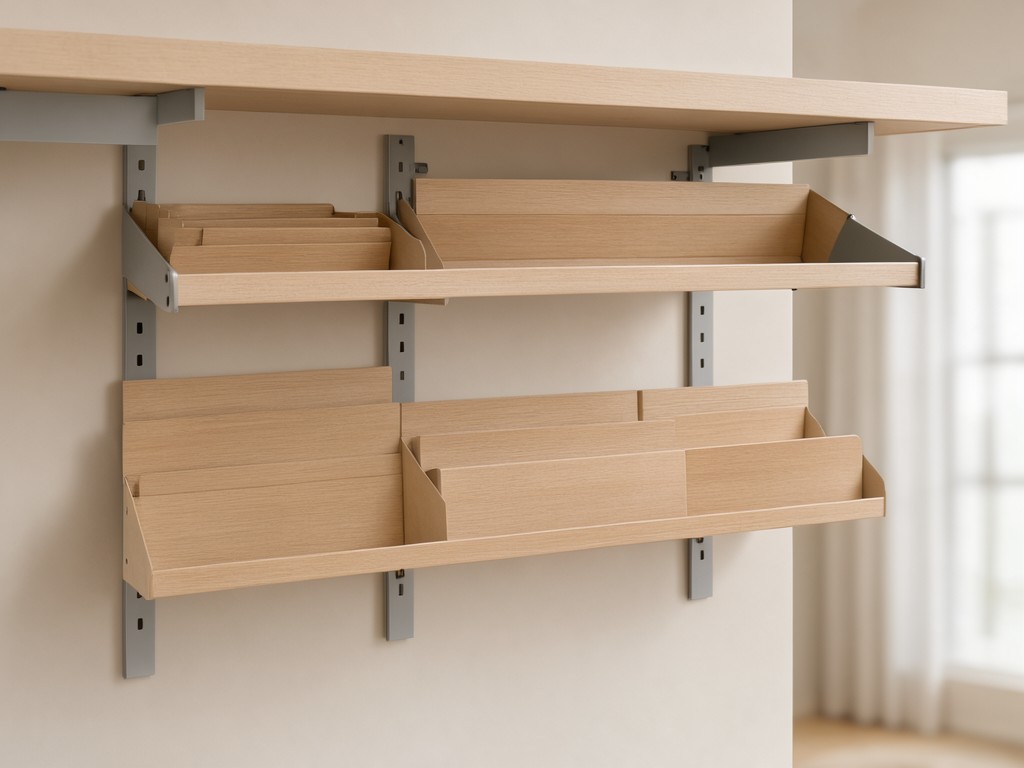
Installation limit: a wall unit’s safe mounting depends on the wall substrate, anchor choice and cabinet load. Define the wall type and installation method before approving hardware; do not treat the furniture panel or supplied fixing set as a universal wall-load rating.
Buying Mistakes That Lead to Returns
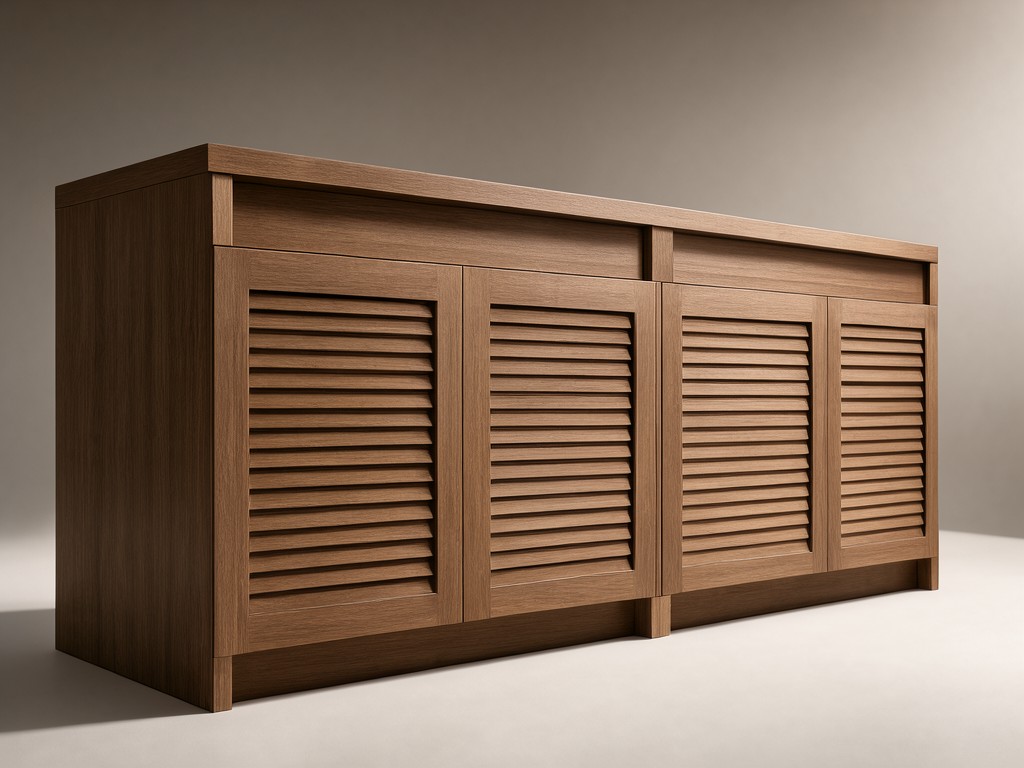
Returns often start with a mismatch between the lifestyle image and the room in which the buyer installs the unit. A concealed compartment may look clean in a listing but leave too little room for a receiver, router, power plug or cable bend. A flush door can also feel stiff if hinge adjustment and edge clearance are not controlled.
- Check internal clear openings rather than quoting only the external cabinet size; list shelf positions and removable dividers.
- Specify ventilation slots or a discreet rear opening where enclosed electronics generate heat. A closed cabinet without an airflow route can trigger use complaints.
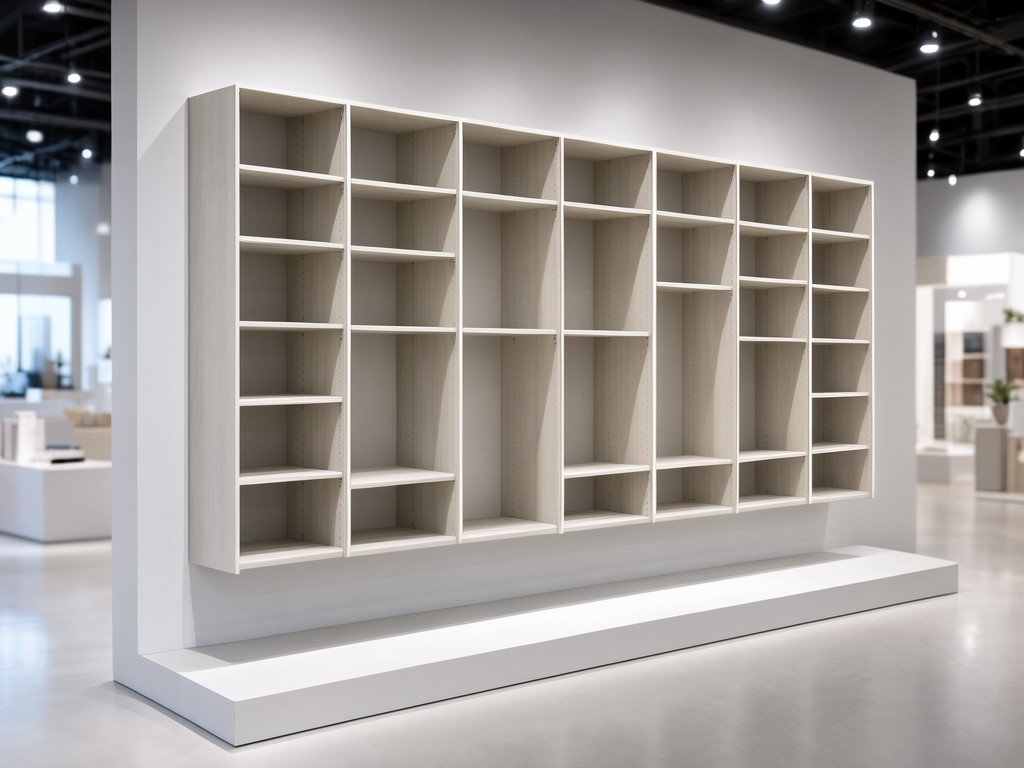
- Confirm whether the unit is freestanding, wall-hung or a mixed configuration. Product photos and carton instructions must show the same installation arrangement.
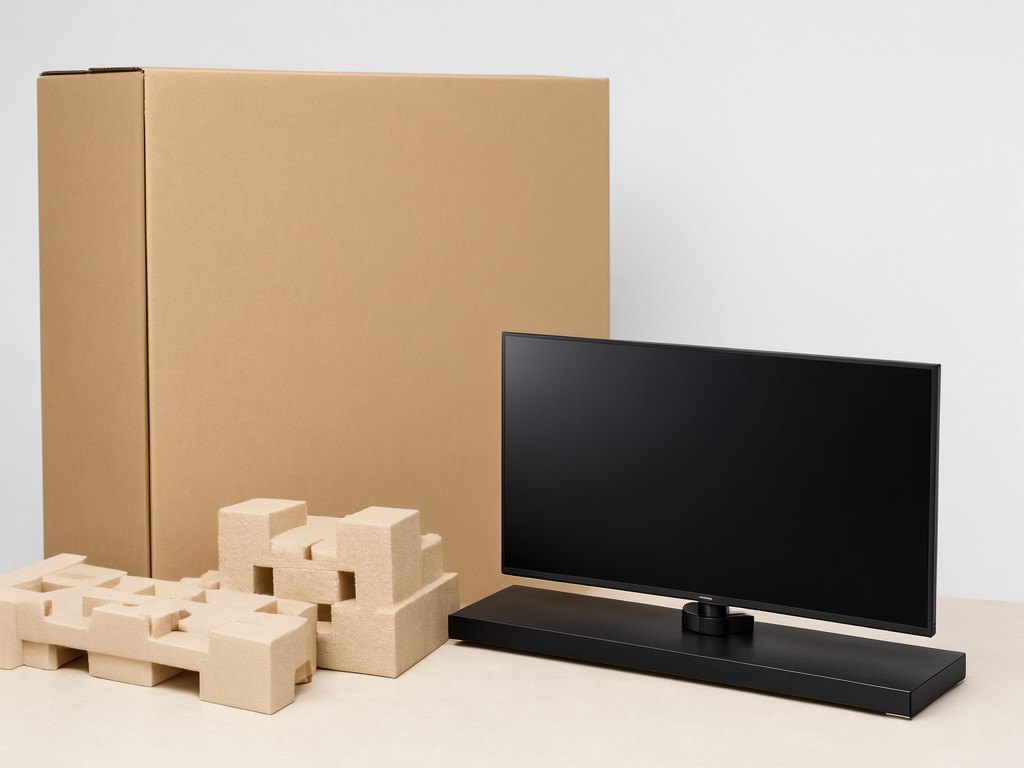
- Include corner protection and panel separation in the export pack-out review; edge crush and face scratches can make a saleable carton unsellable.
Cheaper stock options fail at the worst point in the season when finish shade, hinge feel or component count changes between replenishment lots. A modestly higher specification can lower cost per unit sold if it reduces claim handling, repacking and partial replacements.
What Can Be Customised and What Cannot
Colour, handles, door layout, shelf positions, cable access and branding can usually be adapted to a private-label brief. Changes to module width, panel thickness, concealed storage geometry or the hanging system affect material yield, hardware selection, carton size or installation risk; price them against a revised drawing rather than treating them as finish-only edits.
Cost-Controlled Configuration
Keep the established cabinet footprint and use a standard melamine-faced board, common hinge and repeatable hardware set. This approach reduces new setup work and supports simpler replenishment, but it limits exact colour matching and complex curved details.
Private-Label Specification
A custom laminate, veneer, handle, edge profile or concealed-door arrangement differentiates the range. It may require finish samples, extra approval time and a minimum order tied to the material supplier’s run size.
Keep artwork as vector files where possible and identify logo position, colour reference, print method and carton-panel location. Approve a physical finish sample under consistent lighting before bulk production; digital images alone do not settle shade expectations.
Segment-Specific Requirements
For value-focused retail, a compact flat-pack carton and a small number of repeatable finishes can protect shelf price and simplify warehouse handling. The trade-off is more assembly by the end customer, so cam fittings, dowels, labels and instructions need to match the part count in every carton.
For mid-market furniture ranges, buyers often judge the unit by door alignment, edge feel and the quietness of drawer or hinge action. Soft-close hardware costs more than basic hardware; the added value is controlled closing behaviour, provided installation adjustment and hardware sourcing remain consistent across lots.
Room humidity also matters. For homes with seasonal humidity swings or units placed near an exterior wall, specify sealed edges and a finish suited to indoor moisture exposure. These cabinets are not outdoor furniture; standing water, direct rain and prolonged damp storage can swell panel edges or weaken surface adhesion.
Quality Control and Batch Consistency
Private-label reorder control begins with a single approved reference: drawing revision, bill of materials, finish sample, hardware specification and carton artwork. If any of these shift without buyer approval, the next lot can differ in tone, reveal gaps, storage access or assembly sequence even when the model name stays the same.
- Record board type, nominal thickness, surface code, edge band and hardware source against each production lot.
- Use a retained approved sample or signed finish chip to compare colour and sheen during repeat production.
- Check module dimensions and door gaps against the same datum points; inconsistent measurement methods can hide a real assembly mismatch.
- Keep carton labels, assembly instructions and replacement-part identifiers aligned with the final BOM revision.
For an OEM range, agree how substitutions are handled before the purchase order is released. A board or hinge change may appear minor at factory level yet alter screw holding, door adjustment or the buyer’s tactile impression.
Inspection Items and Test Methods
Inspection should follow the agreed sample and drawing rather than a generic pass/fail checklist. Review panel dimensions, squareness, exposed edges, surface shade, door travel, concealed compartment access, hardware count and pack-out before shipment.
Practical test sequence: assemble a production sample using the supplied instructions, operate each door and drawer repeatedly, check wall-fixing components against the approved parts list, then inspect a packed carton for movement, abrasion points and edge exposure. Any load check should use a buyer-approved method and installation substrate.
| Configuration | Typical material and finish | Indicative size range | Indicative assembled mass | Comparison point |
|---|---|---|---|---|
| Flat-pack cabinet and wall panel | Particleboard or MDF with melamine-faced surfaces and matching edge band | Width 1,200–2,000 mm; cabinet depth 350–450 mm | About 35–70 kg, subject to module count | Usually the lower-cost route; inspect edge sealing, cam fit and carton protection closely. |
| Wider private-label arrangement with concealed compartments | MDF or plywood with laminate or veneer; upgraded hinges or drawer runners as specified | Width 1,600–2,400 mm; cabinet depth 350–450 mm | About 50–90 kg, depending on panel and storage design | More finish and layout choices; added material, hardware and packing cost require a checked sample. |
All size and weight figures are indicative planning ranges, not a product tolerance or load rating. Confirm finished dimensions and net mass from the approved drawing and production sample.
Capacity, Tooling and Scheduling
Tooling amortisation decides whether a custom profile, shaped panel or special finish makes sense at the planned order volume. Standard rectangular panels generally need less new setup than curved fronts or a new concealed-door arrangement. Ask for setup charges and unit pricing as separate lines so the break-even point can be compared across the first order and repeat lots.
Schedule confirmation should follow drawing approval, finish sampling, hardware availability and packaging sign-off. A late change to the veneer, laminate or carton can reset material purchasing and sample approval; obtain a revised ship window rather than relying on the original estimate.
For repeat OEM production, reserve time for first-piece checks and carton assembly before the full batch proceeds. That checkpoint costs time up front but can prevent a larger rework or relabelling problem at dispatch.
Stock Availability and Reorder Planning
Stock availability usually depends on the exact board colour, edge band, hardware set and carton configuration, not only on the cabinet style. Confirm which components are held for repeat orders and which are purchased against each production run.
Reorder controls to agree:
- Set a minimum order by model, finish and hardware combination; mixed colour totals may not meet each material supplier’s run quantity.
- Retain the approved finish reference and identify any acceptable shade variation before repeat production.
- Hold replacement hinges, handles, connectors and shelf supports against a traceable model code where after-sales support is part of the offer.
- Plan seasonal replenishment from confirmed material lead times and carton dimensions, not from a previous shipment date alone.
Private-label buyers should also confirm how a discontinued surface or hardware part will be handled. A substitute needs written approval if it changes visible finish, fit or assembly steps.
Setup, Use and Replacement Parts
During assembly, separate panels by part label and verify the hardware count before fastening. Over-tightened cam fittings can damage the board around the joint; an incorrect door gap should be corrected through hinge adjustment rather than by forcing the panel.
For routine care, use a soft, slightly damp cloth and dry exposed edges after cleaning. Avoid abrasive pads, strong solvents and pooled liquid around joints. In humid rooms, leave clearance for airflow around the back and avoid placing the unit where condensation repeatedly reaches the panel edges.
Replacement parts are easier to identify when the manual includes an exploded view, part codes and hardware quantities. Ask the supplier to match the part list to the carton label so distributors can resolve missing or damaged-item claims without replacing an entire unit.
Request a Specification Review
Send the target dimensions, storage layout, finish reference, estimated order quantity and destination-market packaging needs. A drawing and BOM review can identify cost drivers and reduce avoidable differences between the approved sample and repeat batches.