Wholesale Italian Style Full House Storage Furniture Manufacturer: What Buyers Should Check Before Ordering
Tooling amortisation decides whether a private-label storage line becomes a profitable retail asset or a quarterly financial drain. When importing full-house storage systems—wardrobes, modular shelving, and integrated dressing units—the unit price quoted per finished piece often masks the true cost of maintaining dimensional consistency across a 5,000-unit container load. Buyers frequently focus on the FOB price per SKU, but the real expense emerges when joinery gaps exceed 1.5 mm, veneer peeling occurs after three months of service, or hardware misalignment forces customers to return the entire unit rather than a single drawer.
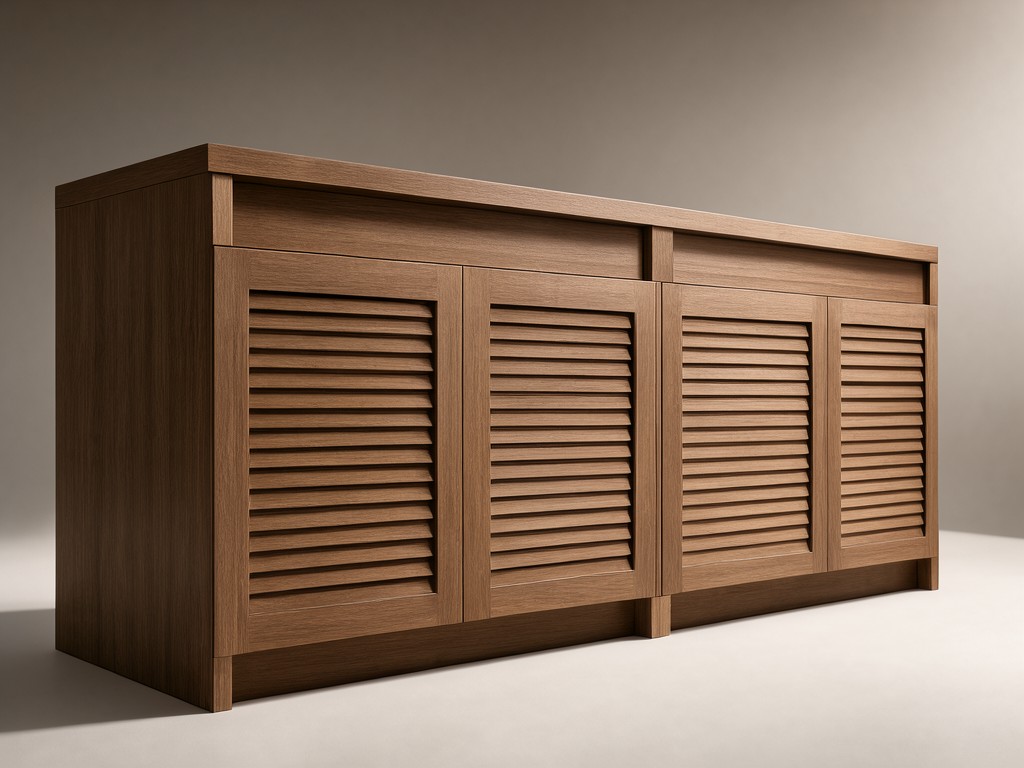
The "Italian style" designation in wholesale contexts usually refers to minimalist aesthetics, high-gloss or matte lacquer finishes, and modular configurability, not necessarily Italian origin. The engineering challenge lies in replicating these design cues using cost-effective materials without sacrificing the structural integrity required for heavy-load environments like walk-in closets or commercial showrooms. If the core substrate expands by more than 2% under humidity fluctuations, the precision hinges and soft-close mechanisms will bind, leading to premature failure. This section breaks down the specific manufacturing parameters, inspection protocols, and supply chain dynamics that determine whether a bulk order meets retail launch deadlines without triggering a wave of warranty claims.
Where This Product Beats Standard Alternatives
Standard particleboard or MDF furniture with melamine laminate offers lower upfront costs but lacks the aesthetic finish and structural stability required for premium retail positioning. In contrast, the construction methods used for Italian-style storage systems typically involve high-density HDF (High-Density Fiberboard) or solid wood veneered panels with PU or UV lacquer coatings. The trade-off is immediate: the material cost per square meter is roughly 40-60% higher, but the perceived value in the showroom is significantly elevated. For a buyer targeting mid-to-high-end home improvement chains, this visual and tactile difference justifies a 30-50% higher retail price point, which absorbs the increased manufacturing expense.
Critical Specification: Panel Edge Banding
Italian-style aesthetics rely on clean, invisible edges. Standard PVB hot-melt glue can bubble or peel at high temperatures or humidity. For premium lines, look for PUR (Polyurethane) hot-melt or EVA film with a thickness of at least 1.2 mm. PUR bonding provides a waterproof, heat-resistant seal that resists white line formation at the panel edge, a common failure point in standard melamine alternatives that leads to visible delamination and customer complaints within the first year of use.
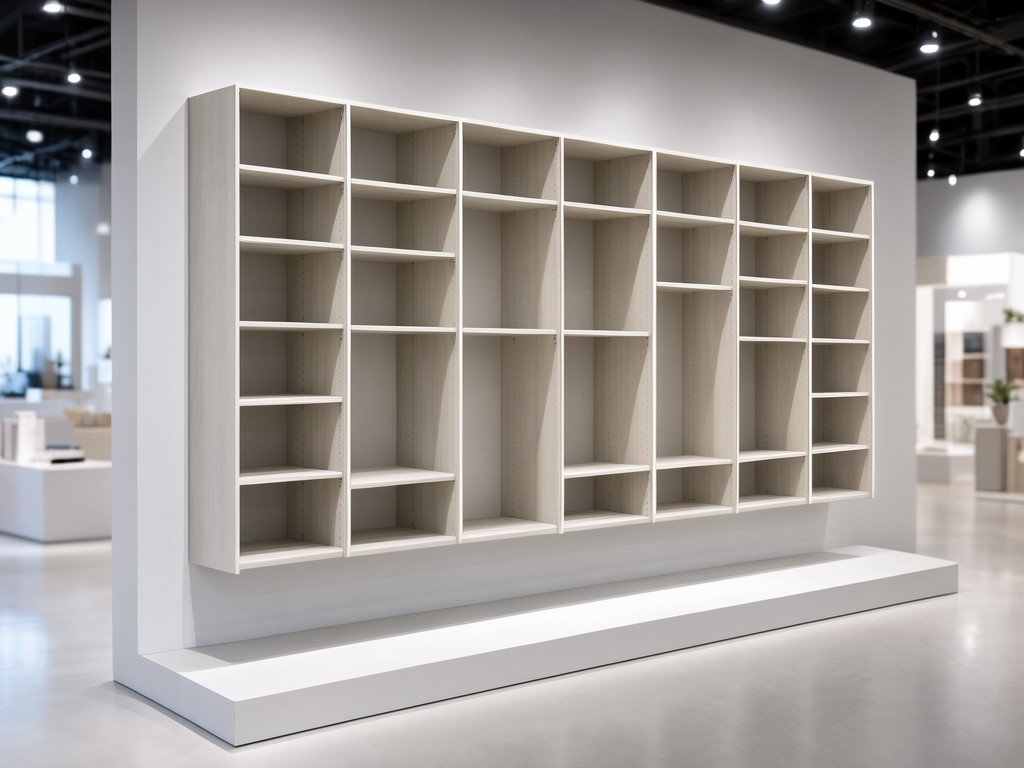
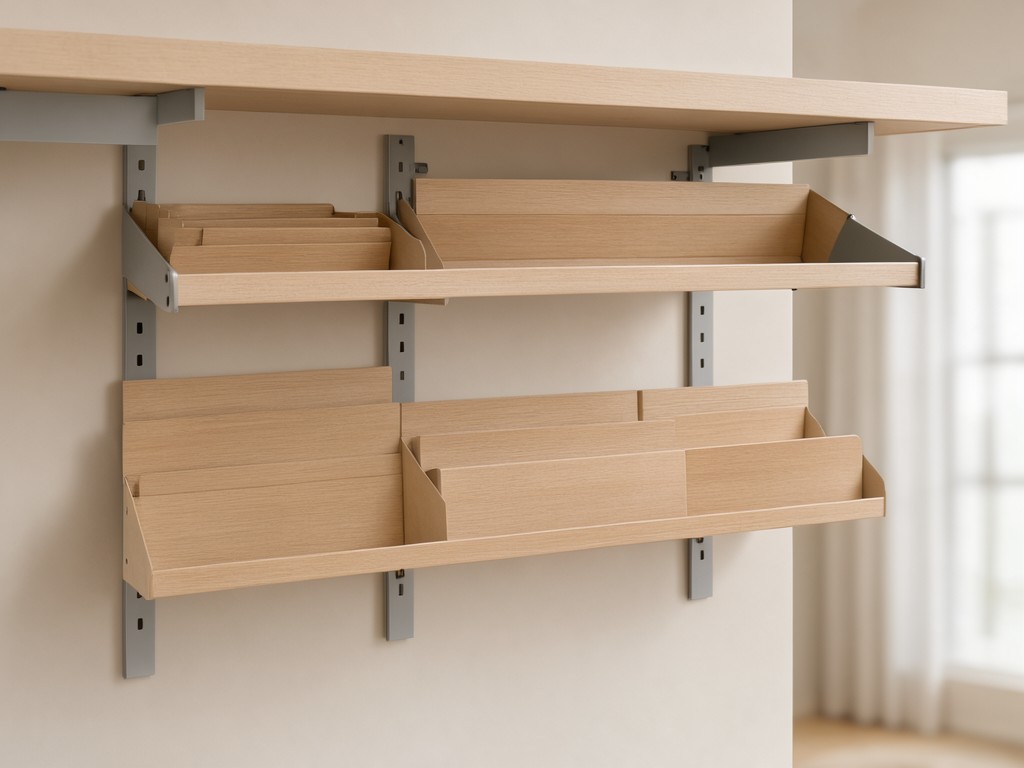
Beyond surface aesthetics, the modular configuration of Italian-style systems allows for flat-pack efficiency. Unlike fixed-size standard wardrobes, modular units can be configured in 400 mm increments, reducing the number of unique SKUs a buyer needs to stock. This flexibility means a single container load can serve multiple store formats, from compact urban apartments to spacious suburban walk-ins, without requiring separate procurement for each size variant. The hardware integration—such as 35 mm aluminum profiles for adjustable shelves and concealed soft-close hinges—is engineered to tolerate minor assembly errors by the end consumer, reducing the "how to install" call volume to the retailer's support team.
Buying Mistakes That Lead to Returns
| Failure Mode | Root Cause in Manufacturing | Buyer Inspection Point | Impact on Returns Rate |
|---|---|---|---|
| Drawer Runners Binding | Side panel twist exceeding 0.5 mm across diagonal; glue squeeze-out on mounting surfaces. | Check diagonal consistency on sample panels; inspect runner mounting holes for debris and alignment. | High; leads to "hard to open" complaints, often resulting in full unit return. |
| Veneer Delamination | Insufficient press pressure or adhesive cure time; substrate moisture content above 10% during lamination. | Perform heat gun test on sample edges; check substrate density (target > 800 kg/m³ for HDF). | Moderate; aesthetic damage, often claimed under warranty. |
| Finish Scratching/Chipping | Inadequate lacquer thickness (< 60 microns) or improper drying time leading to dust inclusions. | Measure film thickness on sample; check for "orange peel" texture under raking light. | Low to Moderate; perceived as poor quality, impacts brand reputation. |
| Hardware Mismatch | Drilling coordinates off by > 2 mm due to CNC program error; incorrect hole depth for cam locks. | Assemble one unit fully before shipping; verify all hardware engages without forcing. | High; causes assembly failure, leading to chargebacks. |
Cheaper stock options fail at the worst point in the season. When a buyer cuts corners on the substrate quality to save $0.50 per panel, the resulting warping issues typically manifest 3-6 months after installation, coinciding with the next major retail push. This timing forces the brand to issue refunds or replacements during a period of high marketing spend, effectively negating the initial savings. The cost of a single return—including freight, restocking, and customer service hours—often exceeds the savings from downgrading the core material. Therefore, the specification must prioritize substrate stability over raw material cost, particularly for units exceeding 2 meters in height.
OEM and ODM Programme Structure
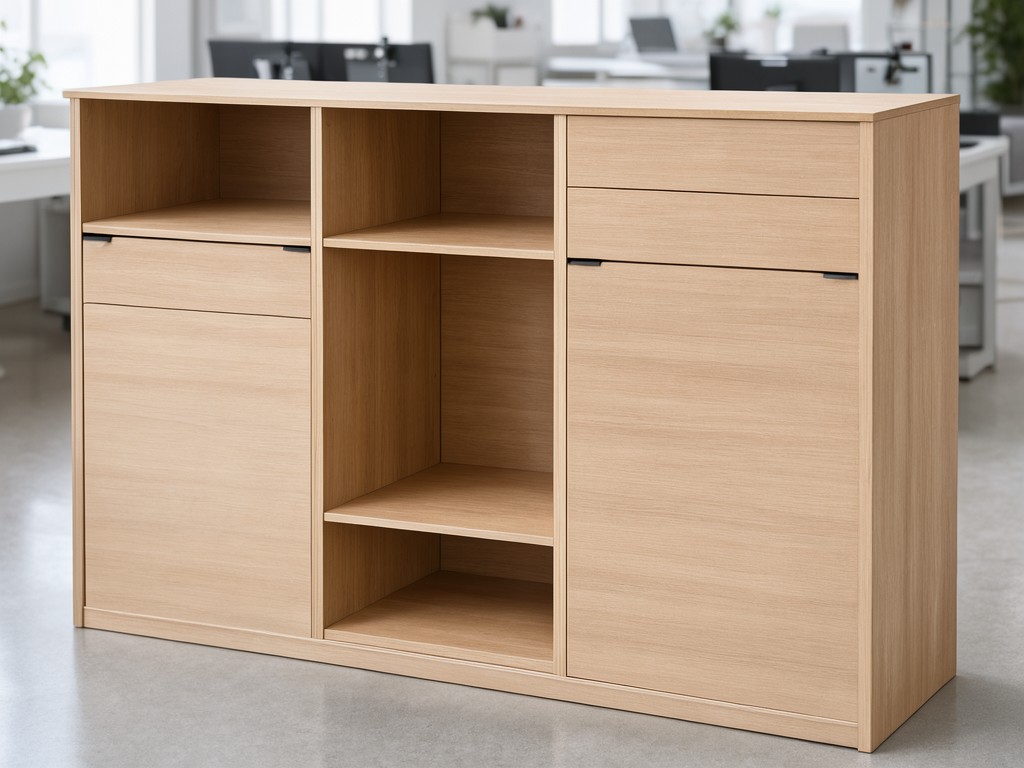
For OEM buyers, the distinction between a standard off-the-shelf product and a customised Italian-style line lies in the flexibility of the CNC machining files and the hardware integration. A competent manufacturer will provide a library of standard modules (e.g., 400x600x2000 mm wardrobe sections) that can be reconfigured by changing the internal divider positions and drawer layouts. This approach reduces tooling costs to near zero, as no new dies or jigs are required—only the cutting and drilling patterns are adjusted. However, if the buyer requests custom external dimensions that do not align with standard panel sizes (typically 1220x2440 mm or 1250x2500 mm), material wastage increases, and the cost per unit rises by 15-20% due to inefficient nesting of cuts.
ODM: Design-Driven Customisation
Best for buyers who want unique aesthetics but lack in-house engineering. The manufacturer designs the structure based on the buyer's sketch or mood board. Expect a 4-6 week lead time for prototype development. The manufacturer handles all structural calculations, ensuring the load-bearing capacity remains compliant with safety standards. Cost premium: 10-15% over standard OEM, justified by the exclusivity of the design.
OEM: Brand-Driven Customisation
Best for buyers who have a defined structural design and need it manufactured at scale. The buyer provides the CAD files or detailed technical drawings. The manufacturer focuses on material sourcing, finishing, and assembly. Cost is lower, but the buyer is responsible for any structural flaws. Turnaround time for mass production is faster (3-4 weeks after sample approval) since the design phase is already complete.
The critical success factor in OEM/ODM partnerships is the sample approval process. A pre-production sample (PPS) must be approved before mass production begins. This sample should be a fully assembled unit, not just a panel sample, to verify hardware integration and aesthetic consistency. The PPS should be subjected to a "shake test" (manual vibration) and a "load test" (placing 50 kg on each shelf for 24 hours) to identify any loose joints or flexing issues. If the PPS passes these tests, the risk of mass-production failure drops significantly. If it fails, the correction cost is minimal. If the PPS is skipped to save time, the potential for a 10-20% rejection rate in the final shipment increases, which far outweighs the time saved.
Stock Availability and Reorder Planning
Total cost of ownership shifts once returns are counted. Maintaining a safety stock of core panels and hardware is a strategic decision that directly impacts cash flow and delivery reliability. For standard Italian-style modules, the lead time from order confirmation to container loading is typically 35-45 days. This timeline includes raw material procurement (7-10 days), CNC cutting and edge banding (10-15 days), surface finishing and drying (10-15 days), and final assembly and packaging (5-7 days). Any delay in one stage cascades through the entire process, potentially missing the buyer's retail launch date.
| Order Volume (Units) | Estimated Lead Time | Material Sourcing Strategy | Customisation Flexibility |
|---|---|---|---|
| 500 - 1,000 | 45-60 Days | Spot market; higher price volatility; less negotiating power on raw materials. | High; can accommodate unique colour requests and minor dimensional changes. |
| 1,000 - 3,000 | 35-45 Days | Contracted supply; stable pricing; priority access to finishing lines. | Medium; limited to standard module configurations and common colour palettes. |
| 3,000+ | 30-40 Days | Bulk procurement; lowest unit cost; dedicated production slot. | Low; strict adherence to approved specifications required to maintain efficiency. |
Reorder planning must account for the "peak season" lag. If a buyer anticipates a surge in demand for Q4, the order for core panels and hardware must be placed in Q2, not Q3. This is because the finishing processes (lacquering and curing) are time-intensive and cannot be rushed without compromising quality. A common mistake is placing a "rush order" in August for a September launch. This often results in the manufacturer using lower-grade adhesives or skipping drying times to meet the deadline, leading to the delamination and off-gassing issues discussed earlier. The prudent approach is to maintain a 20-30% safety stock of finished goods for the best-selling SKUs, while keeping raw material stocks for slower-moving variants.
Questions Buyers Ask Before Ordering
How do I verify the stability of the panels before mass production?
Request a moisture content report from the panel supplier, verifying that the core density is within the specified range (e.g., 780-820 kg/m³ for MDF). Additionally, perform a simple flex test on a 100x100 mm sample: bend the panel slowly until it breaks. A stable panel should break cleanly without crumbling or dusting excessively. Excessive dust indicates poor internal bonding, which will lead to chipping at the edges during cutting and assembly.
What is the impact of using solid wood versus engineered wood on lead time and cost?
Solid wood (e.g., oak, ash) requires longer drying times and is more susceptible to seasonal movement, which can lead to cracking if the environment is not controlled. This adds 1-2 weeks to the lead time and increases the risk of post-production defects. Engineered wood (HDF/MDF) offers consistent dimensions and faster production times but requires higher-quality edge banding to prevent moisture ingress. For large-scale wholesale, engineered wood is generally the more predictable choice, while solid wood is reserved for high-end, low-volume custom pieces where the premium price justifies the added complexity.
How should I structure the packaging to minimise transit damage?
Italian-style furniture is often shipped in flat-pack configurations. The packaging must include corner protectors for all external panels, as these are the most vulnerable points during forklift handling. Use double-wall cardboard (minimum 350 ECT) and ensure that the hardware is packed separately in a labeled bag to prevent loss. Include a clear, visual instruction manual with step-by-step diagrams. Poor packaging leads to cosmetic damage, which is often non-repairable and results in a full refund rather than a partial credit for a damaged corner.
Specification Review and Order Initiation
To proceed with a wholesale order for Italian-style full-house storage furniture, you must first submit your detailed specifications, including panel dimensions, finish type, hardware brand preferences, and target quantity. Our engineering team will review your requirements for structural feasibility and provide a revised quotation that accounts for material efficiency and production constraints. This step ensures that the final product meets both the aesthetic and functional requirements of your retail channel.
Contact our sales engineering team to initiate the specification review.