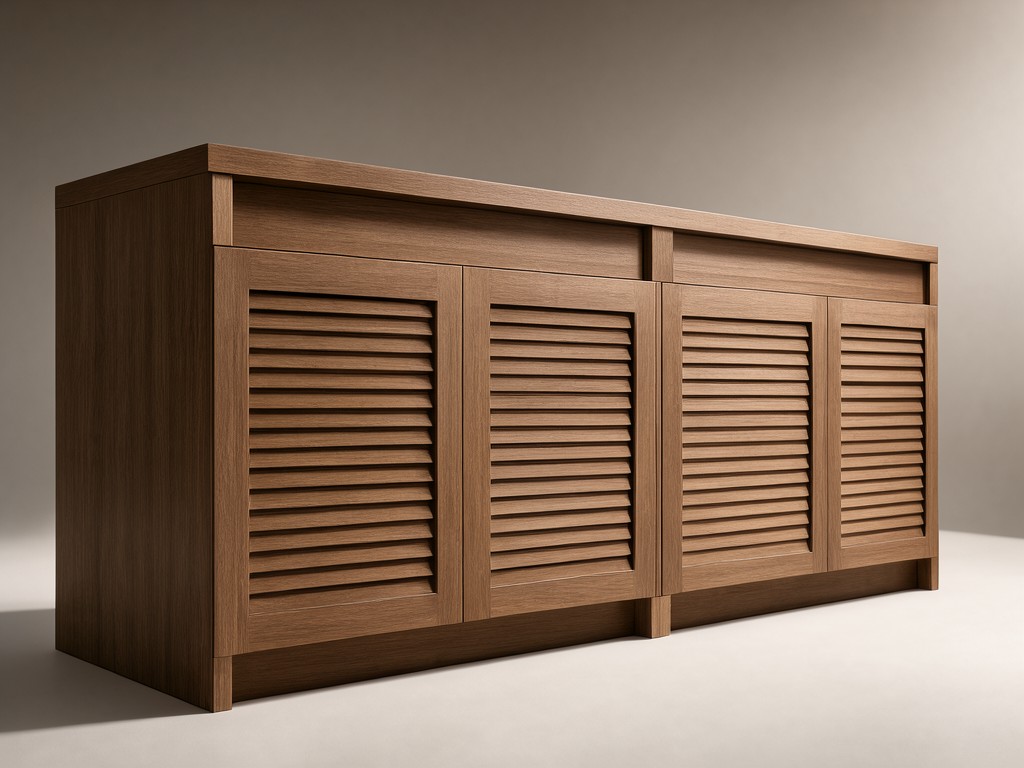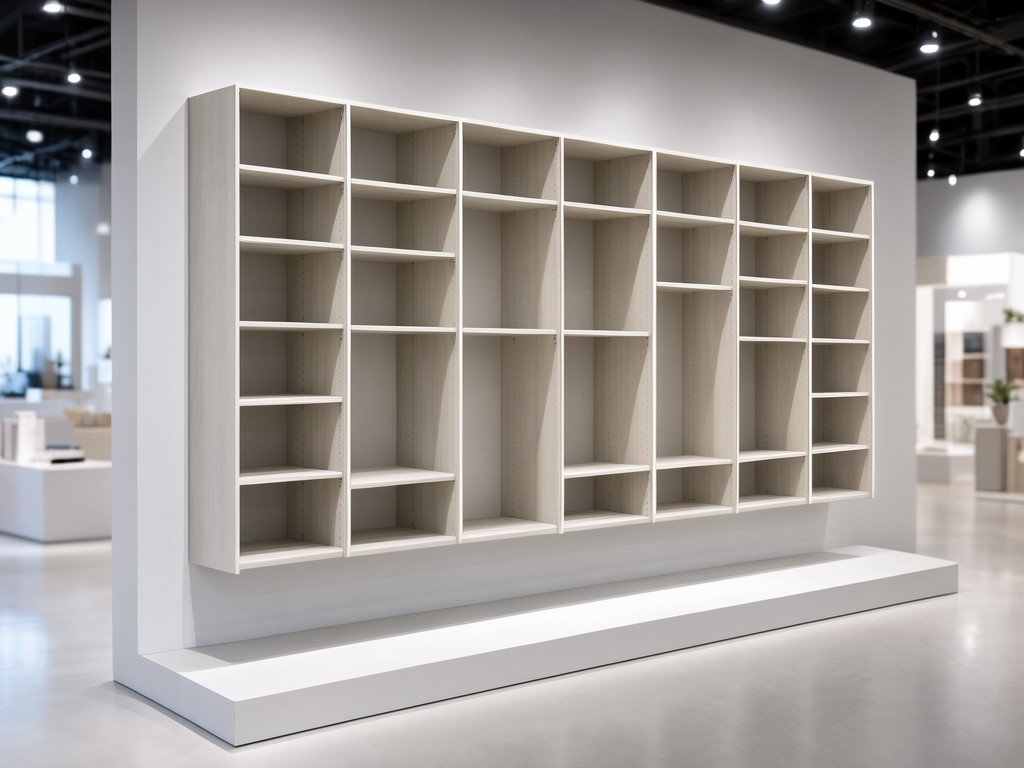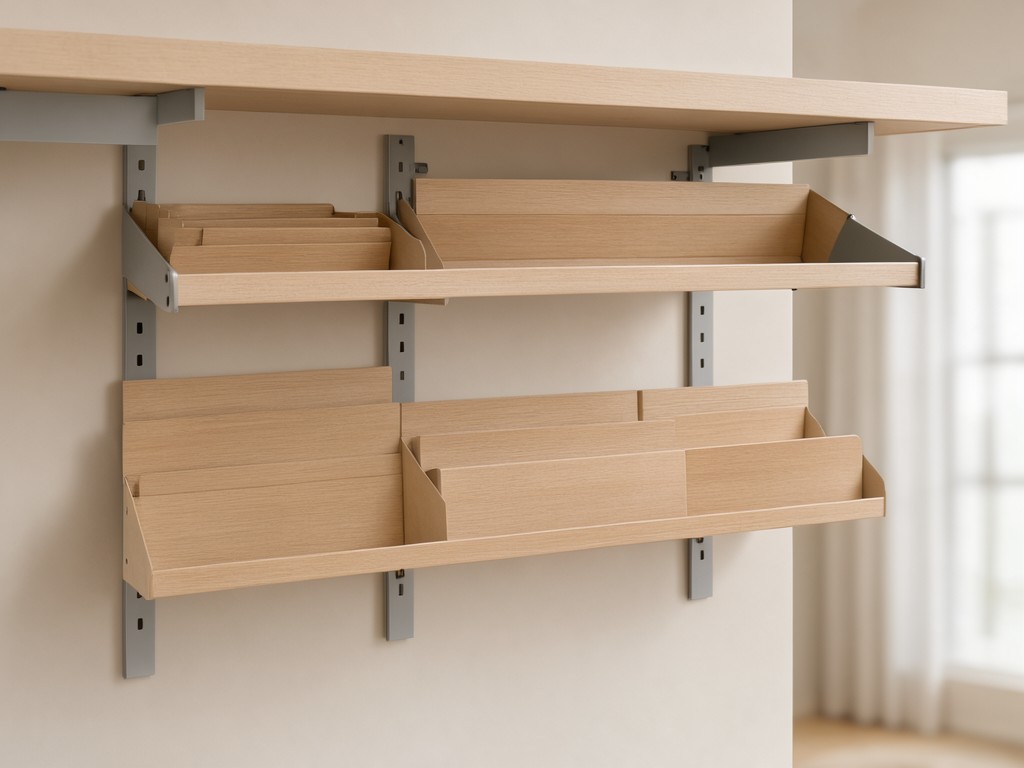
wholesale full house interior custom storage furniture suppliers - Bulk Supply and Specification Guide
During a private-label launch with a fixed ship date, a room set can miss its delivery window because one wardrobe door, shelf drilling pattern, or carton detail remains unapproved. Full-house interior storage usually spans wardrobes, cabinets, shelving and drawer units, so a revision to one shared panel size can affect several pieces and their packing plan. Agree the room schedule, drawings, finishes and approval sequence before production; release the order only after the production sample matches those decisions.
For club accommodation, academy residences or a private-label furniture range, the specification has to account for repeated assembly, loaded shelves and changes in indoor humidity. A lower-cost particleboard carcass may suit dry, controlled interiors, while plywood or a denser panel can make sense where screw retention or repeated handling carries more weight. The decision rule is to price the construction against the actual room conditions, then hold dimensions and finishes to an approved reference sample.
What the Design Has to Balance
A full-house package must use repeatable modules without forcing every room into the same layout. Confirm ceiling height, wall returns, skirting, door swing and installation access on the drawings; these details determine carcass depth, filler panels and whether units can enter the room in assembled or flat-pack form. Panel choice then sets the balance between price, screw holding, weight and response to moisture.
| Construction option | Performance comparison | Buyer trade-off |
|---|---|---|
| Melamine-faced particleboard | A cost-conscious choice for dry interiors; exposed edges and drilled joints need careful protection and assembly. | Lower panel cost and broad finish choice, with less tolerance for wetting or repeated screw removal. |
| Moisture-resistant MDF with a specified surface finish | A smooth substrate for painted fronts and shaped details; it still requires sealed edges and protection from standing water. | Useful where appearance and machined profiles matter; panel weight and finish cost can rise. |
| Plywood with laminate or veneer finish | Layered construction can support screw retention and handling demands; grade, face quality and edge treatment affect the result. | Higher material cost can be justified for units that see more frequent adjustment or assembly. |
How It Performs in Use
A loaded wardrobe tests shelf span, support placement and the stiffness of the assembled carcass; a drawer unit adds repeated load to runners and fixing points. These parts should be reviewed in the intended configuration, not as isolated panels. Shelf width, panel thickness, support method and expected contents belong on the approved drawing so a change in one does not quietly alter another.
Indoor furniture is not outdoor furniture. Surface finishes can resist routine wiping, but direct rain, standing water and prolonged damp can swell exposed panel edges or weaken joints. If goods may cross a humid port or sit in an unconditioned store, specify sealed edges and moisture-protective export packaging; do not treat a decorative face as a waterproof barrier.
Set the service condition before selecting the board: dry, climate-controlled rooms support a wider cost range, while variable humidity calls for explicit edge sealing, carton protection and storage instructions.
How It Is Built and What That Changes
Production typically starts with approved panel specifications and a part list, followed by CNC cutting, edge banding, drilling and hardware installation. Flat-pack units are then checked for part fit and packed with the required fittings and assembly documents; assembled units need a different protection plan for corners, faces and hardware. Each process choice affects the drawing, sample and carton plan, so confirm the intended shipping format before the production sample is signed off.
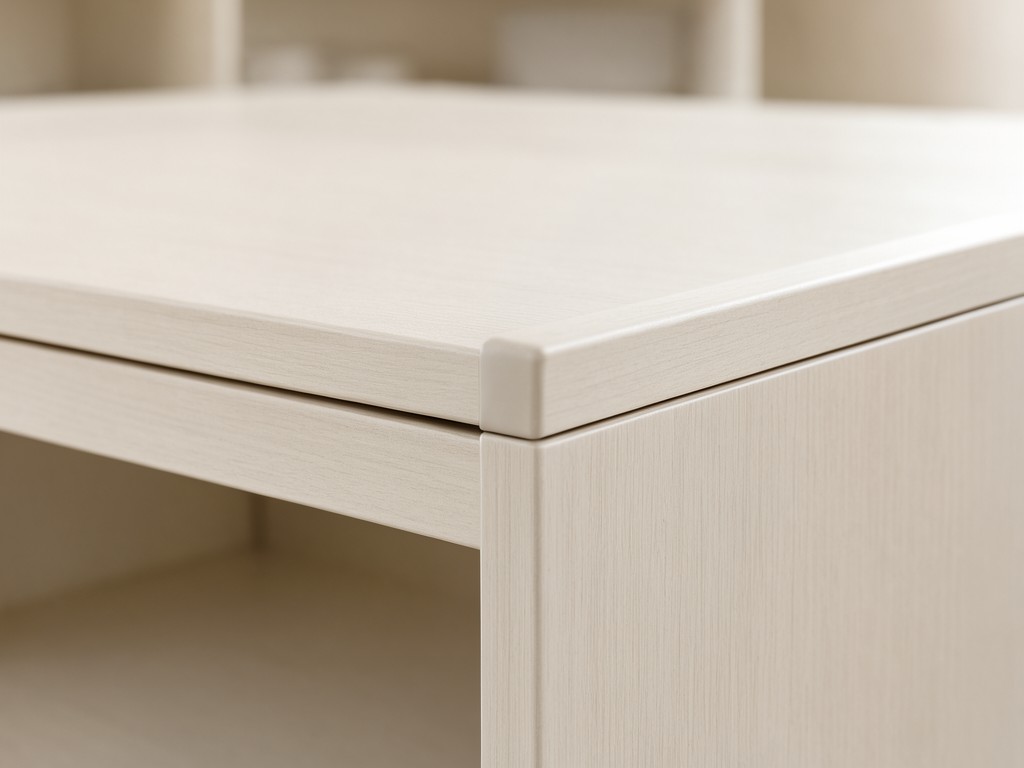
- Match the sample to the released drawings for external dimensions, hole locations, edge detail and door or drawer gaps.
- Approve the finish against a physical colour reference under agreed viewing conditions; screen images alone do not control colour variation.
- Check that hardware, fittings and assembly instructions correspond to the exact unit and revision in the order.
- Confirm carton protection, labels and pack identification before release, especially when several room configurations share a shipment.
Where This Product Beats Standard Alternatives
Standard sizes can shorten the path to production, but they may leave unused wall space or create problems around room features. Custom modules earn their cost when the buyer can repeat the same approved layout across multiple rooms, keep shared parts common and avoid site-made alterations. The comparison is not custom versus standard in isolation; it is the added drawing and setup work against installation fit, appearance consistency and reduced rework at the destination.
Standard Modular Range
Choose this route when room dimensions repeat and the standard width, depth and finish already meet the brief. Fewer unique parts simplify approval and replacement ordering, though fillers or layout compromises may remain.
Custom Room Set
Use custom dimensions when room plans, storage needs or brand finishes require a defined fit. More drawings and sample approvals are needed, so freeze dimensions and finish codes before production release.
What Can Be Customised and What Cannot
Buyers can usually define module dimensions, internal divisions, door and drawer fronts, surface finish, edge colour, handles, hinges, runners, labels and packaging. Those selections become production controls only after the drawing, finish reference and hardware list are approved. Panel properties and process limits remain tied to the selected material and equipment; a finish change cannot compensate for an unsuitable substrate or an unsupported shelf span.
For artwork or private-label marks, provide vector files, placement dimensions, colour references and the intended label location. Approve a production-representative sample before bulk manufacture; late changes to print position, drilling or hardware can require revised parts and a new approval.
How Consistency Is Held Across Batches
A repeat order depends on a controlled reference, not a remembered sample. Keep the approved drawing revision, panel and finish specification, hardware schedule, artwork file and packing instructions together under the same product code. Before batch release, check panel dimensions, drilling positions, edge application, finish appearance and unit fit against those records.
For multi-unit orders, inspect representative assembled pieces as well as loose components; a dimension can pass on its own while door alignment or drawer travel exposes an assembly issue. Record agreed tolerances on the drawing rather than relying on verbal expectations. If a supplier proposes a material or hardware substitution, request written approval and a revised sample before the change enters production.
Care, Storage and Service Life
Use a soft, lightly damp cloth for routine cleaning and dry the surface after wiping. Keep water away from joints, unsealed edges and drilled openings; abrasive pads and strong solvents can mark decorative finishes. Recheck fixings after initial assembly and after relocation, since loosened connections can cause door misalignment or movement at joints.
Store cartons indoors, off damp floors and away from direct rain or condensation. Stack them as marked so panel faces and corners do not carry loads beyond the carton design. Service life depends on panel grade, assembly, room humidity and use; keep replacement hardware and the approved finish reference available if the range will be reordered.
Discuss Your Project
Send the room schedule, drawings, target materials, finish references, branding files and required ship date for a specification review. We can align the sample approval steps, production documents and export packing details before the order is released.