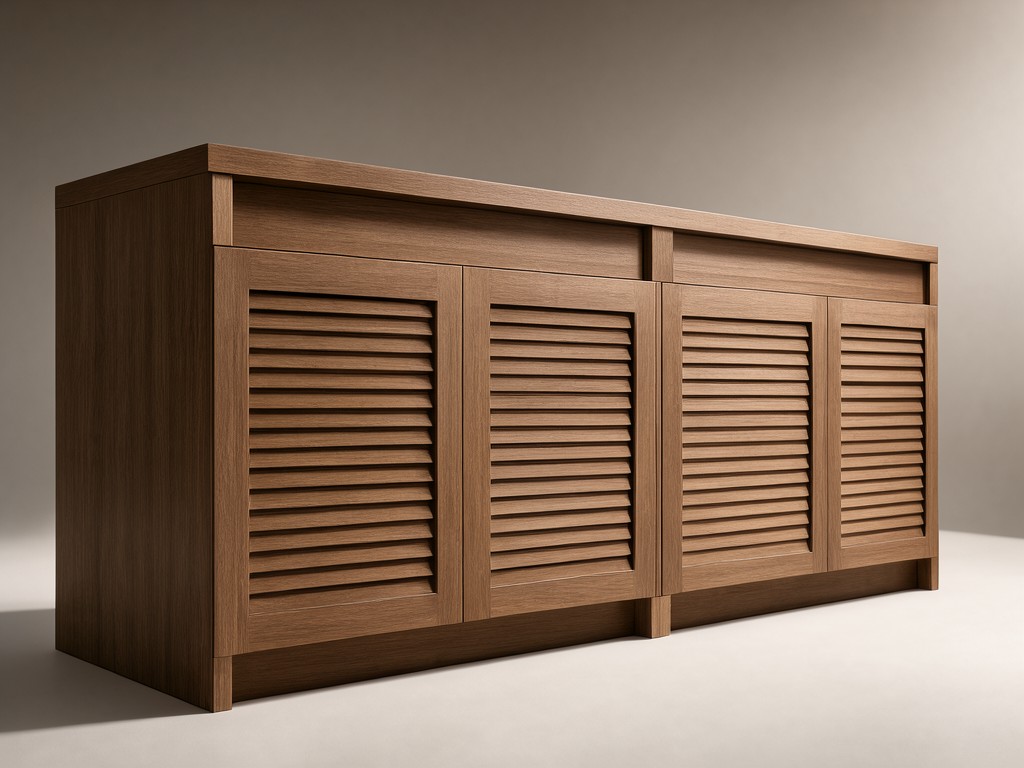
wholesale feature slat wall cladding panels suppliers: Specification, Ordering and Quality Notes
Total cost of ownership shifts once returns are counted. A small change in slat spacing, panel width or surface tone can leave installers with visible joints across a feature wall, even when each carton passes a basic visual check. For procurement teams qualifying a second source, the useful comparison is not unit price alone; it is whether repeat lots match the approved sample closely enough to avoid site sorting, replacement freight and disputes over colour variation.
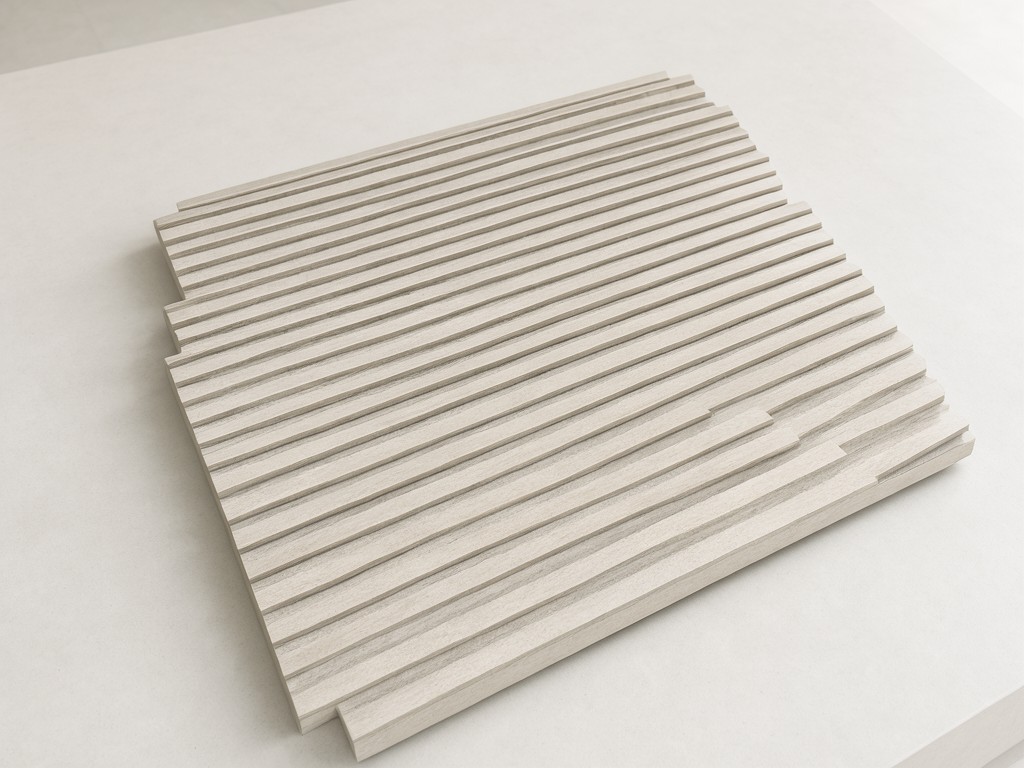
These interior cladding panels are commonly built from CNC-cut MDF slats fixed to a backing layer such as PET felt, with veneer, decorative film or a painted finish. Board grade, slat profile, adhesive coverage and finish batch all affect panel mass and appearance. Confirm the construction and permitted use before comparing offers: decorative wall cladding is not a substitute for a structural fixing system, and an acoustic backing does not by itself establish a room’s acoustic performance.
Second-source control: approve one signed or retained reference panel, then record its dimensions, slat pitch, finish and weight range. Apply the same acceptance points to the first production lot and later reorders; otherwise, the approved sample provides little protection against batch drift.
Scope of Supply and Physical Form
For interior fit-outs, buyers usually order panels as repeatable wall-covering units rather than loose decorative strips. A typical supply includes the slatted face, backing and specified finish; trims, corner pieces, mounting hardware and matching cut pieces may need separate line items. Agree the finished panel size, usable coverage, edge treatment and fixing method on the purchase drawing, since nominal dimensions do not always equal the installed coverage after joint spacing.
| Planning format | Indicative finished size | Indicative panel mass | Buyer check |
|---|---|---|---|
| Common stock panel | About 2400 × 600 mm | Often around 10–15 kg | Confirm substrate, slat depth and backing before freight planning. |
| Extended-height option | About 2700–3000 × 600 mm | Varies with length and construction | Check handling limits, carton length and wall access at the installation site. |
These are planning ranges, not a guaranteed specification. A denser board, deeper slats or a heavier backing will raise mass; the supplier should confirm the actual packed and net weights against the approved construction before the order is released.
Option Comparison by Usage Level
Tooling amortisation decides whether a custom profile or finish makes sense at the requested volume. For a limited project run, a standard panel and stocked surface can reduce setup and material exposure. A recurring programme may justify a fixed CNC profile, dedicated assembly reference and controlled finish source because those controls reduce visual variation between replenishment lots.
Project or trial quantities
Choose a standard slat pitch and an available veneer, film or paint finish where the wall design allows it. This typically limits setup charges and reduces the risk of leftover custom material. Check that the supplier can reserve the same finish batch for all panels in a single installation.
Recurring wholesale programmes
For regular reorders, define the face material, colour reference, slat spacing and panel dimensions as controlled purchase details. Custom profile work or reserved finish stock may add upfront cost, but it can reduce mismatch between rooms or phased deliveries when the same reference remains available.
Buying Mistakes That Lead to Returns
Returns often begin with a gap between the sample and the written order. A colour name alone cannot control veneer grain or decorative film tone, and “600 mm wide” does not settle usable coverage if edge details differ. Cheap stock options fail at the worst point in the season when a replacement lot arrives with a different finish or panel geometry after installation has started.
- Do not approve finish from a small screen image. Retain a physical sample under representative lighting and record the approved face direction or grain expectation.
- Do not compare quotes without the same board thickness, slat profile, pitch, backing and edge treatment. A lower unit price may reflect less material or a different build.
- Do not assume panels are suitable for damp rooms, direct water exposure or exterior use. Confirm the supplier’s stated use conditions and care limits before specifying them.
- Do not omit spare-panel quantities on multi-stage projects. A small reserve from the installation lot can prevent a later colour mismatch if a panel is damaged on site.
Inspection Items and Test Methods
Panels installed side by side make small dimensional and finish differences easy to spot. Agree the acceptance method before production, then inspect a sample from each lot against the retained reference. Record the measurement points and agreed tolerances on the purchase specification; visual approval without a recorded reference leaves later claims difficult to resolve.
A practical factory check covers overall length and width, panel thickness, slat pitch, face alignment, flatness and net weight. Use a calibrated tape or calliper for dimensions, a straightedge on a flat surface for bow or twist, and a weighing scale for lot sampling. Compare finish under consistent lighting; where colour control is important, use the same instrument and reference method for the approved sample and production pieces. Check slat-to-backing adhesion on a designated sample, not by damaging saleable panels.
Lot record to request: panel count inspected, measured size and weight, finish reference, visible defects, adhesion check outcome and disposition of any nonconforming pieces. Set pass limits with the supplier before production; do not treat an undocumented factory check as a shared acceptance standard.
Volume Planning and Lead Time
For a second-source qualification, separate sample approval, production setup and repeat-order capacity in the quote. A standard size with available face material may have a shorter route than a custom pitch, length or finish that needs CNC programming, assembly fixtures or a new material purchase. Ask the supplier to state the production window only after artwork or finish, drawings, quantity and packing method are confirmed.
Volume breaks should reflect the true cost drivers: panel yield from board stock, finish minimums, labour for slat alignment and the carton configuration. Consolidating a forecast across planned shipments can improve purchasing efficiency, but only if the supplier can keep material and finish references consistent. For phased projects, agree whether the factory will reserve inputs or produce the complete order in one lot.
Export Packaging and Handling Protection
Long panels are vulnerable to corner crush, face abrasion and bowing if cartons flex or loads shift in transit. Specify the packing orientation, face protection, corner guards, carton quantity and pallet limits against the delivery route and unloading equipment. For mixed-finish orders, mark each pack clearly so warehouse staff do not combine panels from different lots during installation allocation.
- Separate finished faces with non-abrasive protection and secure panels against movement inside the carton.
- Protect exposed corners and edges; damage in these areas can make an otherwise usable panel unsuitable for a visible wall.
- Keep cartons dry and flat during storage. Confirm stacking limits with the supplier rather than assuming the panels can bear warehouse loads.
- Use carton labels that identify finish, batch or lot, panel count and handling orientation, with shipping marks matched to the packing list.
Setup, Use and Replacement Parts
Before installation, acclimate panels in the intended indoor environment and check each carton for transit damage. Follow the approved fixing detail and confirm that the wall substrate can support the installed assembly; fixing choice depends on the substrate and is not defined by the decorative panel alone. Keep panels away from persistent moisture and clean finished surfaces with methods approved for the specific veneer, film or coating.
For maintenance contracts or multi-site rollouts, identify whether the supplier can provide matching trim, corner details and replacement panels against the original finish reference. Retain spare panels from the same batch where colour continuity matters. If a later replacement is unavoidable, check the new piece beside the installed finish before fitting; a nominally identical colour can still vary between material or production lots.
Sample request: Send the intended panel size, slat spacing, preferred face finish, target quantity and delivery location with the enquiry. Request a finished sample that matches the proposed backing and edge construction, then approve it as the production reference before placing the bulk order. Request a sample and discuss second-source requirements.