wholesale column closet organizer kit solution - Bulk Supply and Specification Guide
Choose the column profile, slot pitch and coating as a matched system. A thinner steel column may reduce unit cost, but if it flexes under the intended shelf load or arrives with coating damage, replacements and customer claims can erase the saving per unit sold.
What This Product Is and Where It Fits
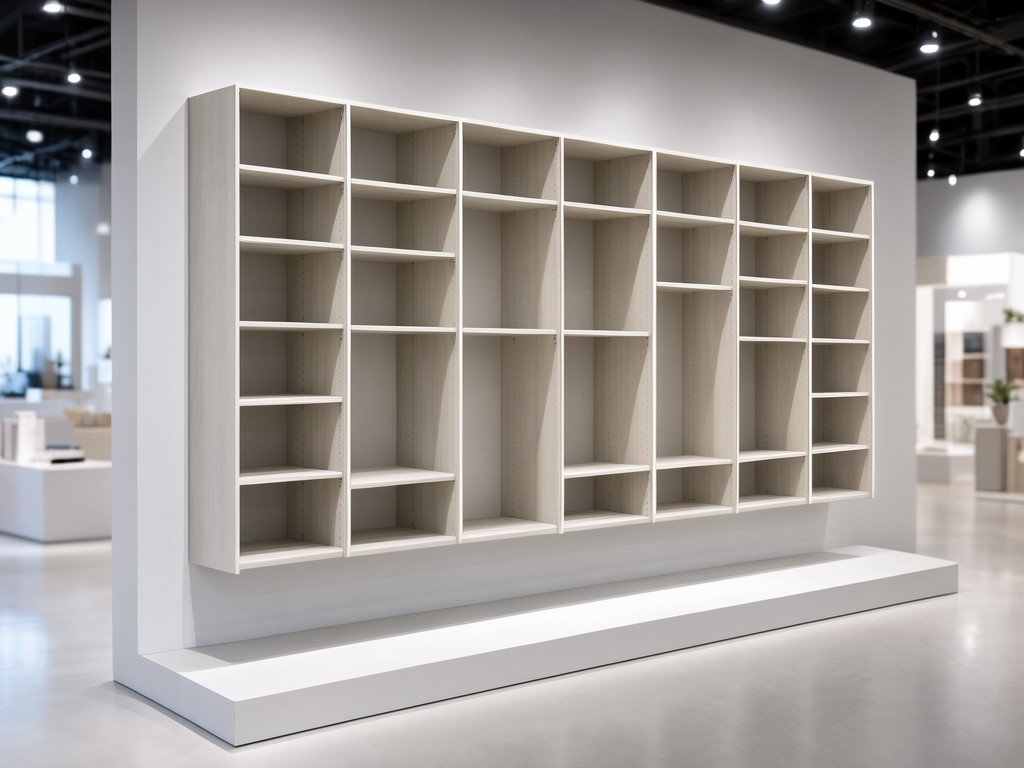
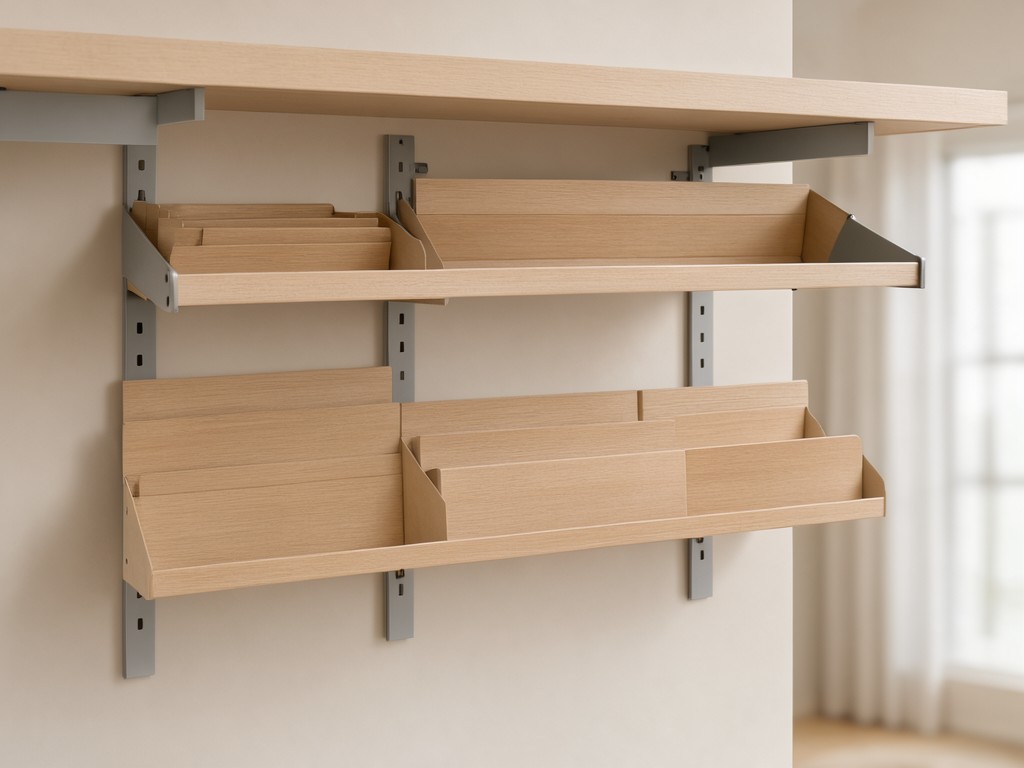
Consistency is set at the forming stage. A wholesale column closet organizer kit typically pairs slotted steel uprights with brackets, shelves, rails and the fasteners or wall anchors specified for the installation. Roll-formed or brake-formed columns are cut and punched to the approved drawing, then finished and packed as a complete kit.
Importers and brand product managers use this format for retail closet systems, rental-property fit-outs and storage programs where shelf positions need adjustment without a new cabinet carcass. The commercial question is not simply how much steel goes into each kit; it is whether the chosen sizes, hardware and pack-out reduce installation problems and returns across the full order.
Design Constraints Behind the Specification
Column straightness, slot position and bracket fit determine whether shelves sit level after assembly. A profile change can alter stiffness even when the outside dimensions appear close, while a small shift in slot pitch can make existing brackets incompatible. Agree the section drawing, datum points and tolerance zones before the factory releases forming and punching tools.
Coating choice matters where the system will see damp closets, laundry rooms or unheated storage. A powder-coated finish adds process cost and can improve resistance to routine humidity exposure, but it does not make an indoor organizer suitable for permanent outdoor use. Specify the intended environment, colour, gloss and visible-face requirements; approve a physical finish sample under the lighting used for retail review.
| Parameter | Common specification basis | Buyer decision |
|---|---|---|
| Column length and section | Set by layout drawing, steel thickness and forming capability; confirm finished dimensions on the first article. | Balance shelf span, room fit and freight length against the target retail configuration. |
| Slot pitch and bracket interface | Define pitch, slot shape and engagement depth on a controlled drawing; verify with the production bracket. | Lock compatibility before changing the column profile or sourcing brackets separately. |
| Shelf size and stated load | Confirm material, span, support count and load conditions as a complete assembly. | Avoid quoting a load figure without specifying shelf span, fixing method and load distribution. |
| Finish and pack-out | Select coating, colour, protective separation and carton layout against the approved sample and packing plan. | Prioritise abrasion protection on exposed edges and contact points during export handling. |
Comparing Two Standard Configurations
A wall-mounted column set uses the building surface as part of the support system. It can keep the kit compact and control material cost, but installation quality depends on suitable wall construction and the correct anchors. A floor-to-ceiling or floor-supported column arrangement uses more material and hardware; it can suit layouts where wall fixing is limited, provided the ceiling and floor interfaces are defined for the target site.
Wall-Mounted Columns
Fewer structural components can lower the packed kit cost and simplify carton planning. Confirm fixing locations, anchor inclusion and the wall type used in the product instructions; otherwise, an apparently complete kit may generate installation complaints.
Floor-Supported Columns
Additional posts, feet or ceiling interfaces add parts and pack volume, but may fit projects with restricted wall fixing. Define adjustment range and contact surfaces on the drawing, then approve the complete assembled sample rather than reviewing loose components only.
Assumptions Buyers Should Stop Making
A nominally similar column is not automatically interchangeable. Slot geometry, metal thickness, bracket engagement and coating build all affect fit; a change in any one can create shelf movement, assembly difficulty or visible finish damage. Treat the approved drawing and sample as the production reference, not a catalogue image or an earlier supplier’s description.
Do not assume one stated shelf capacity applies to every span or installation. Deflection depends on shelf material, width, support spacing and how the load sits across the shelf, while the column and fixing points carry the resulting force. Publish a load statement only after the intended configuration and installation conditions have been agreed.
A weather-resistant finish also has limits. Indoor powder coating can handle ordinary household humidity when specified for that use, but exposure to standing water, salt air or outdoor weather calls for a separate material and finish review. Match the coating selection to the claim on the carton and product listing.
What Can Be Customised and What Cannot
First-article tooling determines which dimensional changes are straightforward and which require new setup or tooling work. Cut length, shelf count, carton configuration and printed materials are often adjustable within the existing process. Changes to the column profile, slot shape or pitch can affect roll-form tooling or punching setup, so request a tooling review before those changes enter the commercial quotation.
Brand colour, carton graphics, labels and instruction sheets can usually follow an approved artwork route. Provide vector artwork, colour references, barcode data and the required label placement before sample sign-off. Approve the printed sample and the physical coating sample separately; a screen proof cannot confirm the final appearance on coated steel.
Keep the approval sequence explicit: freeze the layout drawing, review the first article for dimensions and fit, approve coating and artwork, then release the production specification. If a change follows approval, record its effect on unit cost, existing stock and delivery timing before the order is revised.
Capacity, Tooling and Scheduling
Process choice shows up later as repeatability in column length, slot location and bracket fit. Existing profiles and punch setups can shorten preparation, while a new profile or slot arrangement may require tooling work and a first-article review before volume production. Lead times below are planning ranges only; confirm the schedule against the final drawing, finish, order quantity and packaging requirements.
| Order stage | Indicative planning basis | What changes the schedule or MOQ |
|---|---|---|
| Specification and sample approval | Allow time for drawing review, first-article fit checks, finish selection and packaging approval. | Late changes to interfaces, colour or carton artwork add review cycles. |
| Repeat configuration using available tooling | Production timing depends on steel, coating capacity, assembly and pack-out slots. | MOQ is affected by colour, component sourcing and the quantity of each kit configuration. |
| New profile or punching requirement | Add tooling review, setup and sample approval before the production schedule is fixed. | Tooling scope and MOQ depend on the process change and material commitment. |
A lower unit price is useful only if the order can sell through in the planned assortment. Price mixed configurations as separate pack-outs where their column lengths, finish colours or hardware differ; shared components may help consolidate purchasing, but separate cartons still require clear identification and count control.
Stock Availability and Reorder Planning
Stock status depends on whether the product uses standard column lengths, a repeat finish and existing hardware. Custom colours, non-standard profiles and revised retail packaging may need a new production allocation even when some steel components are available. Ask for availability by finished kit and by component; component stock alone does not confirm that complete, sale-ready cartons can ship.
For reorder planning, retain the approved drawing revision, sample reference, artwork files and kit bill of materials with each purchase order. Agree how substitutions will be handled before production, particularly for anchors, brackets and protective packing. That record helps prevent a repeat order from quietly changing fit or shelf appearance.
Questions Buyers Ask Before Ordering
Can Existing Brackets Be Used With a New Column?
Only after the slot profile, pitch and bracket engagement are checked against the same drawing and a physical fit sample. Similar appearance does not establish mechanical compatibility.
What Should the First Article Confirm?
Review column dimensions, slot position, bracket seating, shelf level, finish appearance and carton contents. Sign off the assembled configuration and pack-out before volume production, not just the individual metal parts.
What Information Is Needed for a Private-Label Quote?
Send the layout or target dimensions, intended installation method, shelf quantity, finish and colour reference, annual volume estimate, carton requirements and artwork files. Note the market and expected humidity exposure so the finish and product claims can be reviewed against the intended use.
Before requesting production pricing, send the drawing, target kit contents, installation conditions and packaging brief for a specification review. Contact us to review the configuration, approval steps and quotation basis.