top quality tv feature wall with led lighting factory - Bulk Supply and Specification Guide
A feature wall can pass its first installation and still create repeat-order losses if panel colour, LED output or cable openings shift between batches. Those differences trigger site rework, replacement shipments and inconsistent room photography. Buyers can reduce that cost per unit sold by locking the visible finish and installation interfaces before approving production.
Scope of Supply and Physical Form
| Inspection checkpoint | Factory review | Acceptance basis |
|---|---|---|
| Panel dimensions and openings | Check overall dimensions, joint alignment, TV mounting clearances and cable cut-outs against the approved drawing. | Signed-off drawing and agreed tolerances for the project. |
| Finish and colour match | Compare production panels with the approved finish sample under consistent viewing conditions; inspect edges and exposed surfaces for chips or marks. | Approved sample and agreed visual limits. |
| LED system function | Power each configured lighting set; check for consistent illumination, loose connectors, visible flicker and accessible driver placement. | Approved lighting layout, control method and sample appearance. |
| Pack-out protection | Review edge protection, panel separation and identification of components by installation sequence. | Approved packing plan and destination handling requirements. |
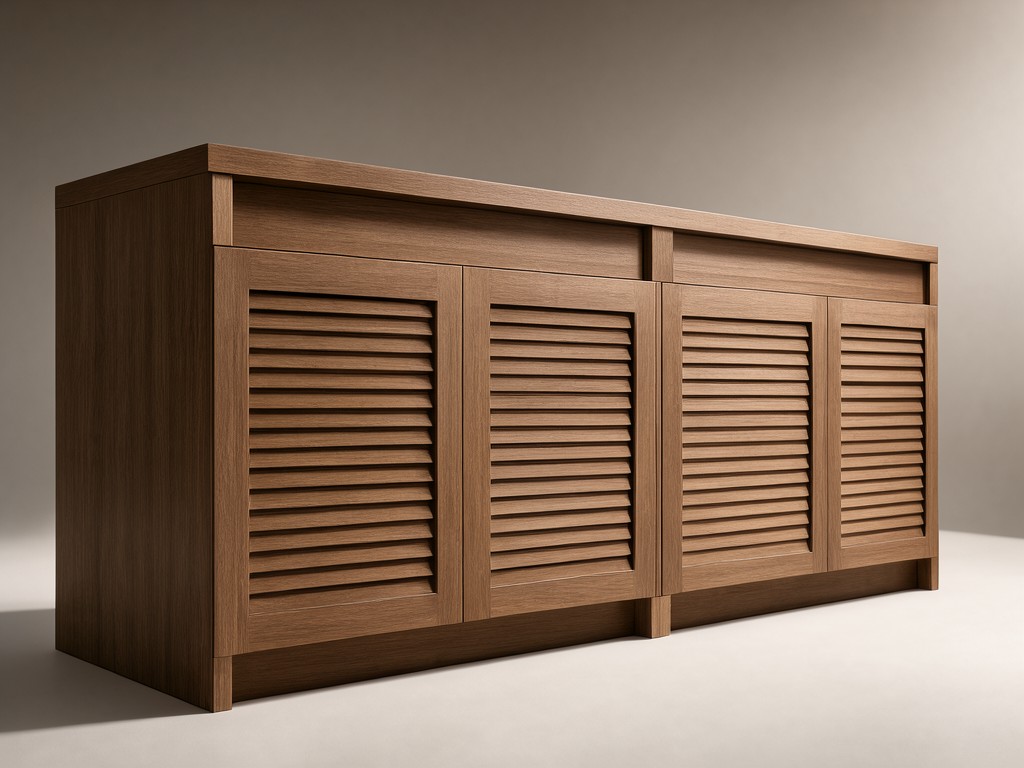
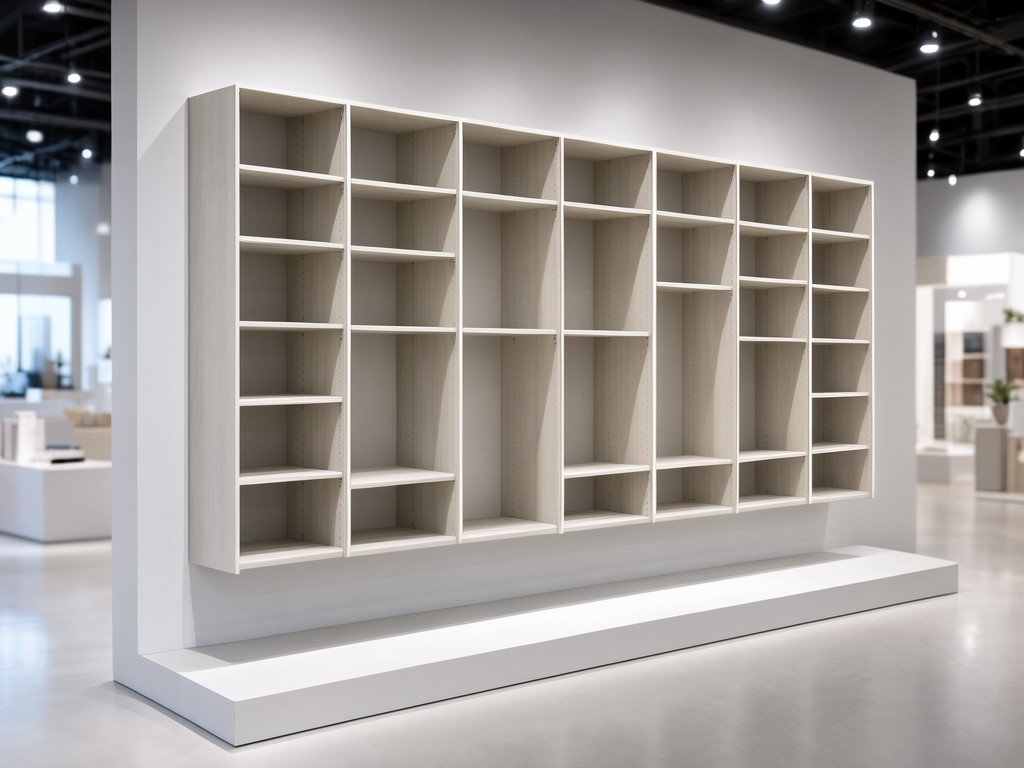
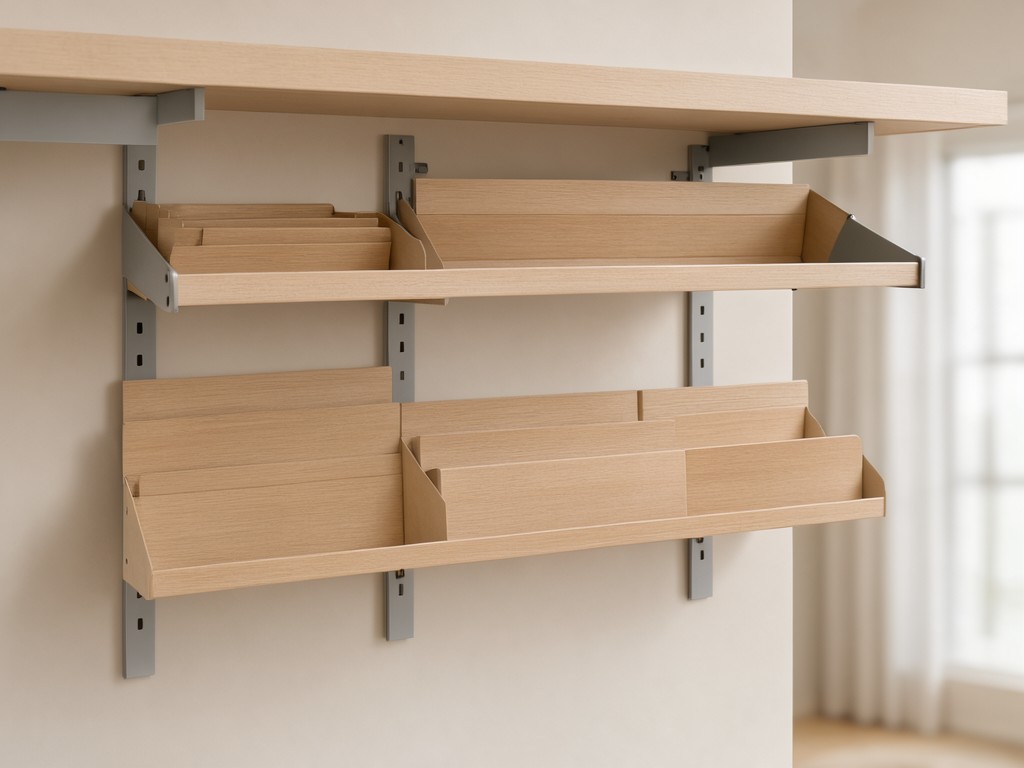
Supply can be configured as a panel set with trims, LED strips, drivers and connection leads, or as a more complete installation kit with mounting hardware and labelled components. The wall size, panel material, finish, lighting layout and TV interface are project-specific; approve these as one coordinated package rather than as separate parts.
For private-label orders, the final packing list and component labels should match the installer’s sequence. That small documentation decision helps prevent missing-part claims when multiple cartons reach a job site.
Design Constraints Behind the Specification
Most quality disputes start with a consistency gap: a panel joint that wanders, a finish that reads differently beside the next panel, or an LED run with a visible bright spot. Large uninterrupted surfaces make small differences easy to see. Set the visual reference, joint plan and lighting position before the order quantity is fixed.
Specification rule: confirm the TV bracket location, cable path, power access and driver service route on the same drawing as the panel layout. If any of these interfaces remain open, the installer may cut finished panels on site or block access to a replaceable electrical part.
Substrate choice affects flatness, weight, machining and price. A thicker or denser panel may feel more substantial but can increase freight cost and add load to the mounting system. For a large-format wall, the right choice depends on panel span, fixing method and the expected indoor humidity range; no interior panel should be treated as weatherproof unless the full assembly has been designed and validated for that exposure.
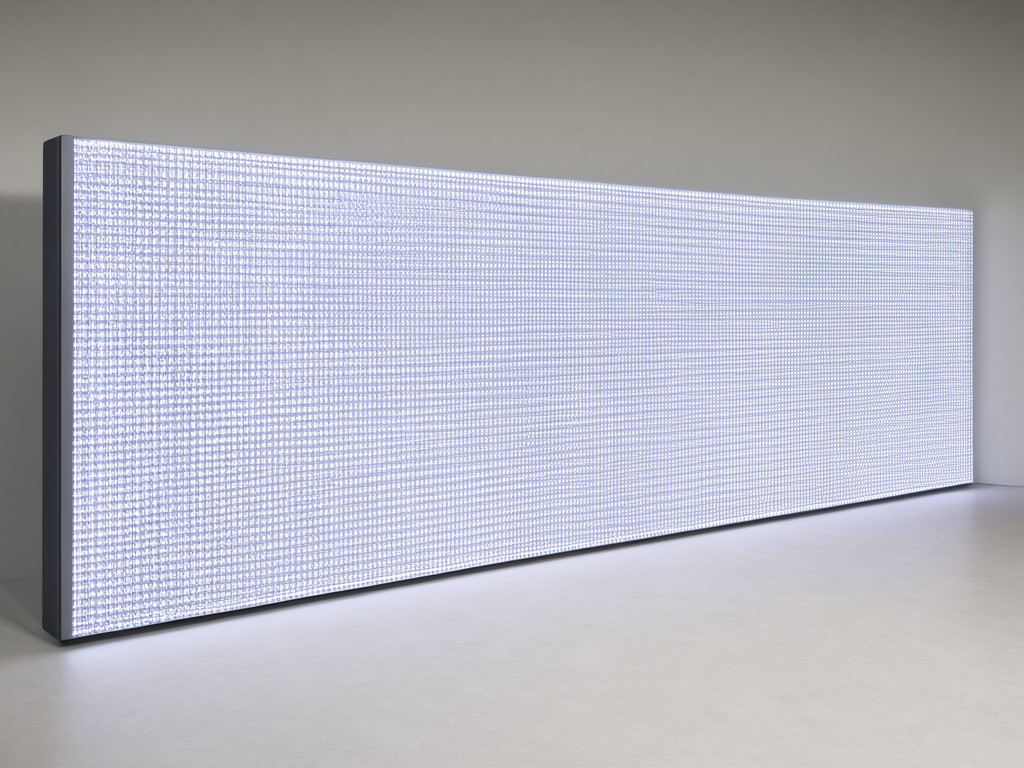
LED output also depends on the distance between the light source and diffuser, the channel geometry and the chosen dimmer or control. A sample viewed in isolation can hide unevenness that appears across a full wall, so approve a representative section with the intended finish and lighting components.
Customisation Options and Their Limits
Custom dimensions, surface finishes, panel divisions, edge details and LED colour or control options can be specified for OEM and private-label programmes. Each change affects either tooling, assembly complexity, packing volume or the number of components that must stay consistent on replenishment orders. Keep the selectable options narrow where repeatability matters more than one-off visual variation.
Lighting Configuration Trade-Off
Recessed LED Channel
A concealed channel gives the wall a cleaner light line and protects the strip from casual contact. It requires tighter coordination between panel depth, diffuser fit and access for driver replacement; changes after panel approval can add rework.
Surface-Mounted Light Detail
A surface-mounted profile can simplify access and reduce panel machining. The trade-off is a more visible fitting and greater exposure to knocks during installation, so specify the profile finish and carton protection against the intended handling route.
Artwork and branding usually belong on labels, manuals or retail packaging rather than on the finished wall surface. Provide vector artwork, colour references and label placement early; late changes can interrupt pack-out and create mixed versions within one shipment.
Requirements by Buyer Segment
Private-label buyers tend to need stable finish references, repeatable carton identification and controlled options across a catalogue. OEM buyers often need project-specific cut-outs and bracket interfaces to match a nominated TV size or installation system. In both cases, a signed sample and drawing revision give production, inspection and reorder teams the same reference.
- For multi-room residential projects, align panel colour and LED appearance across cartons; a single replacement panel should not look like a different finish batch.
- For hospitality fit-outs, specify access to drivers and connectors because maintenance teams may need to replace a component without removing the full wall assembly.
- For e-commerce programmes, confirm carton dimensions, corner protection and clear part identification before launch; transit damage and installation confusion both increase return handling cost.
When a project has unusual wall dimensions or regional power requirements, share the installation drawing and destination details during quotation review. Electrical configuration and mounting details should be agreed for the market and application rather than assumed from a previous order.
Care, Storage and Service Life
Returns usually trace back to the same weak point: swollen or marked panels after poor storage, chipped corners from loose packing, or lighting faults that cannot be reached after installation. Keep cartons dry, flat and protected from direct sun or abrupt humidity changes before fitting. Interior decorative panels are not a substitute for exterior cladding.
Use a soft, slightly damp cloth for routine cleaning and follow the selected finish supplier’s care guidance. Abrasive pads, strong solvents and standing moisture can dull or damage decorative surfaces. Keep ventilation around the driver and preserve the specified service route; trapped heat and inaccessible connections complicate repair.
Service life depends on the selected panel construction, room conditions, installation quality and electrical components. For repeat supply, retain the approved finish sample, drawing revision, LED configuration and packaging record so later batches can be checked against the same baseline.
Review a Quotation Against the Installation Plan
Send the target wall dimensions, finish reference, TV and bracket details, LED preference, destination market and packing requirements for a project-based quotation. The review can identify interface gaps before they become panel changes, site labour or replacement claims.
Request a quotation review with the latest drawing or specification brief.