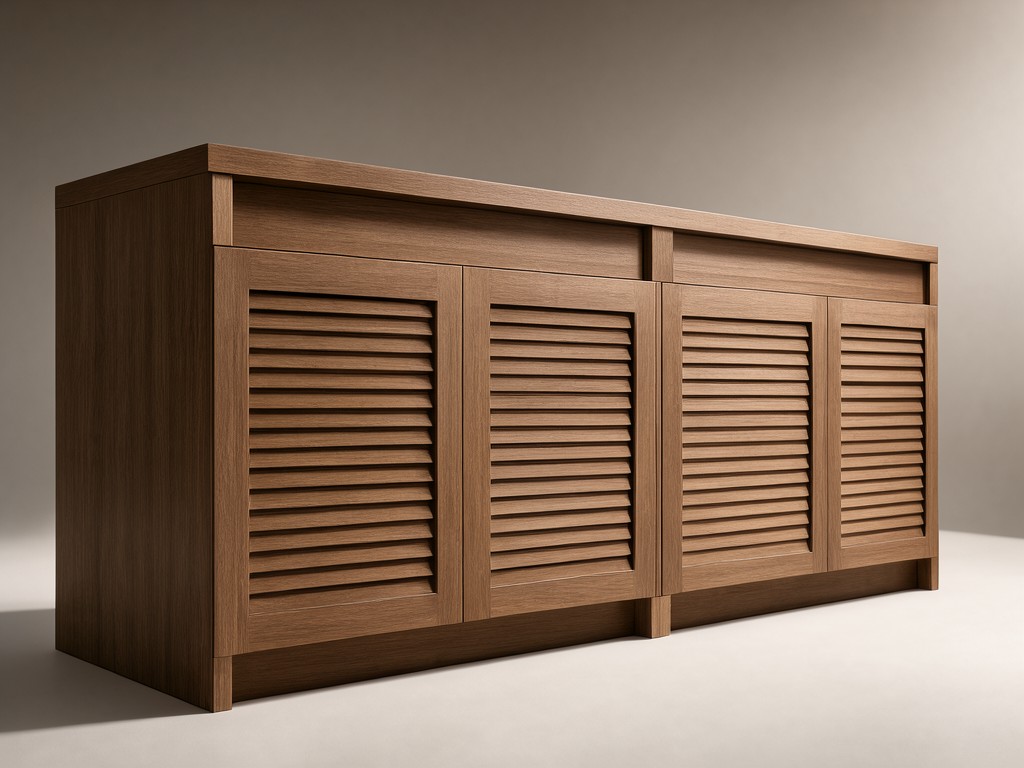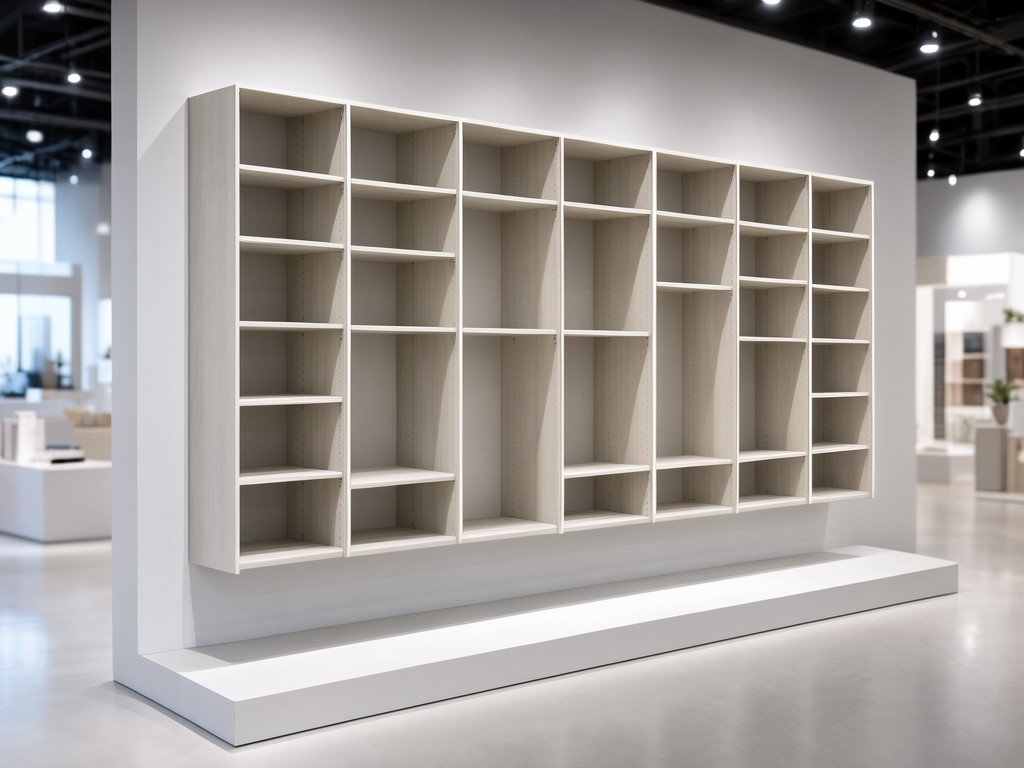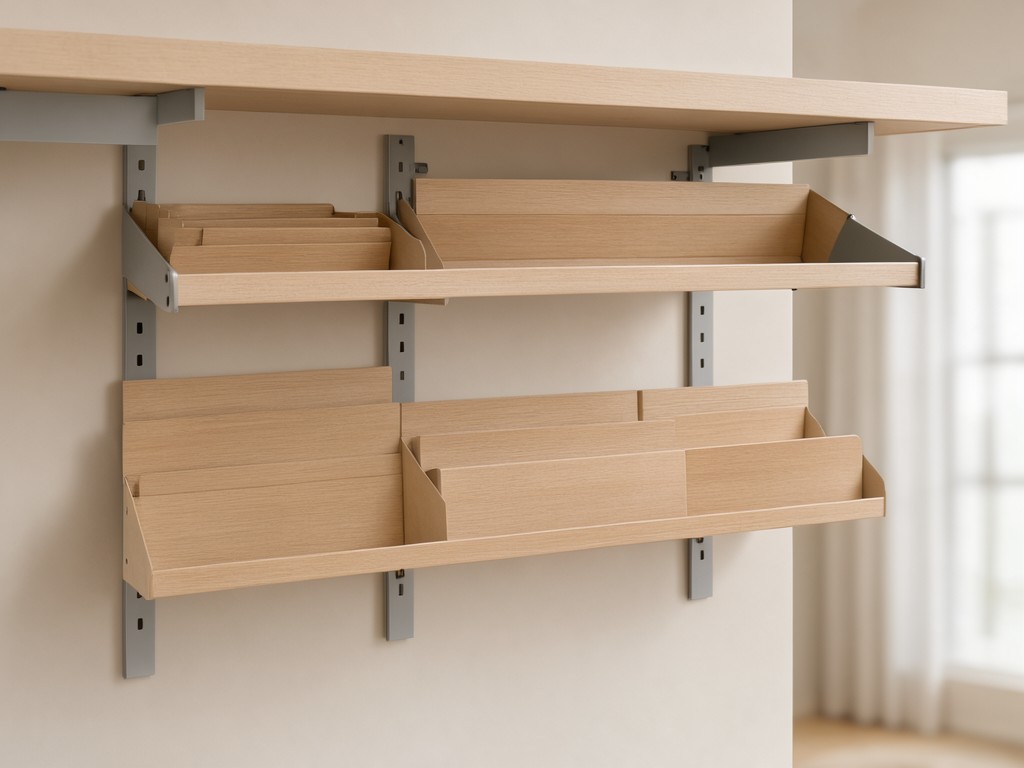
top quality modern tv wall unit with display shelves company: Specification, Ordering and Quality Notes
What This Product Is and Where It Fits
Unit price and service life diverge when shelf spans, panel thickness, edge treatment, and wall-fixing details change. A modern TV wall unit combines a television zone with open display shelves, usually as a flat-pack panel-furniture system made from melamine-faced particleboard or MDF. For repeat orders, compare the approved construction and assembly details—not just the quoted overall dimensions—then confirm the sample against the inspection points that drive returns.
CNC panel cutting and drilling, edge banding, and knock-down hardware assembly suit this product family because they support consistent part geometry and compact export packing. The trade-off is that a change to panel thickness, shelf width, or hardware position can affect both assembly fit and perceived stiffness; keep those details fixed across reorder batches unless the sample is reapproved.
Design Constraints Behind the Specification
Approve the load path with the intended installation. A wall unit’s usable capacity depends on panel construction, shelf span, hardware, and the wall substrate. Specify the intended TV size and weight range, shelf use, and wall-fixing arrangement before confirming the design; the factory cannot validate an unspecified wall or anchor condition.
Before comparing quotations, check the panel core, finished thickness, shelf dimensions, edge-banding coverage, and hardware schedule. Melamine-faced particleboard usually keeps the unit economical and resists routine surface scuffs, but exposed or poorly sealed edges can swell after repeated contact with water. MDF supports smoother painted or wrapped faces and shaped details; it generally costs more, and damaged coatings can expose edges to moisture.
Cleaning instructions matter at retail and in the home. Specify a soft, slightly damp cloth and a neutral cleaner, with no abrasive pads, solvent cleaners, or standing water. Units placed beside bright windows may show colour change over time, so request a finish sample under the expected light conditions and retain the approved reference for repeat production.
Option Comparison by Usage Level
Value-Oriented Panel Build
Melamine-faced particleboard is a practical choice for price-led ranges with standard rectangular shelves and limited reshaping. It reduces finishing steps, but edge protection and careful carton support become more important where corners face frequent handling.
Painted or Shaped MDF Build
MDF suits painted faces, routed profiles, and designs where a continuous finish matters more than the lowest panel cost. Confirm coating coverage at edges and drilled openings; chips or finish breaks are more visible and can admit moisture during cleaning.
Two suppliers quoting the same specification may still differ in edge-band thickness, hole-position tolerance, hardware grade, and carton protection. Put those items on the approved bill of materials and sample checklist. Choose the lower-cost build only when its exposed edges, shelf spans, and service access match the intended retail price and use conditions.
Buying Mistakes That Lead to Returns
- Ordering by outside dimensions alone can leave too little clearance for the TV, cables, ventilation, or wall outlets. Confirm the usable opening and cable route on the assembly drawing.
- A wide display shelf with no agreed load condition may sag or feel unstable in use. Set the intended shelf contents and span during design review, then retain that configuration for production.
- Substituting a panel core or finish without approval can change colour, edge appearance, screw holding, and assembly fit. Treat substitutions as a sample change, not a purchasing-only adjustment.
- Unprotected corners and loose hardware can cause transit damage or missing-part complaints. Check carton drop-risk areas, hardware-bag closure, and pack-out against a packed sample before shipment.
- Assuming that supplied wall fixings suit every installation creates avoidable service calls. Identify the intended wall type and state clearly when the installer must select anchors for the actual substrate.
For repeat orders, retain the approved finish swatch, drilling drawing, hardware list, assembly instructions, and packed-carton reference. A quick comparison of these records against the incoming batch can catch specification drift before units reach retail or an installer.
Who Uses It and Where It Matters
| Packaging Point | Specification to Confirm | Why It Matters |
|---|---|---|
| Flat-pack carton | Carton dimensions based on the final panel layout and hardware pack | Controls freight planning and helps prevent parts from shifting in transit. |
| Panel protection | Corner and face protection at vulnerable finished surfaces | Reduces edge chips and abrasion during handling and storage. |
| Hardware pack | Closed, labelled bag with parts matched to the assembly instructions | Makes missing-part checks and after-sales replacement easier. |
| Retail identification | Buyer-approved carton marks, product code, and handling notes | Supports receiving, stock control, and correct order allocation. |
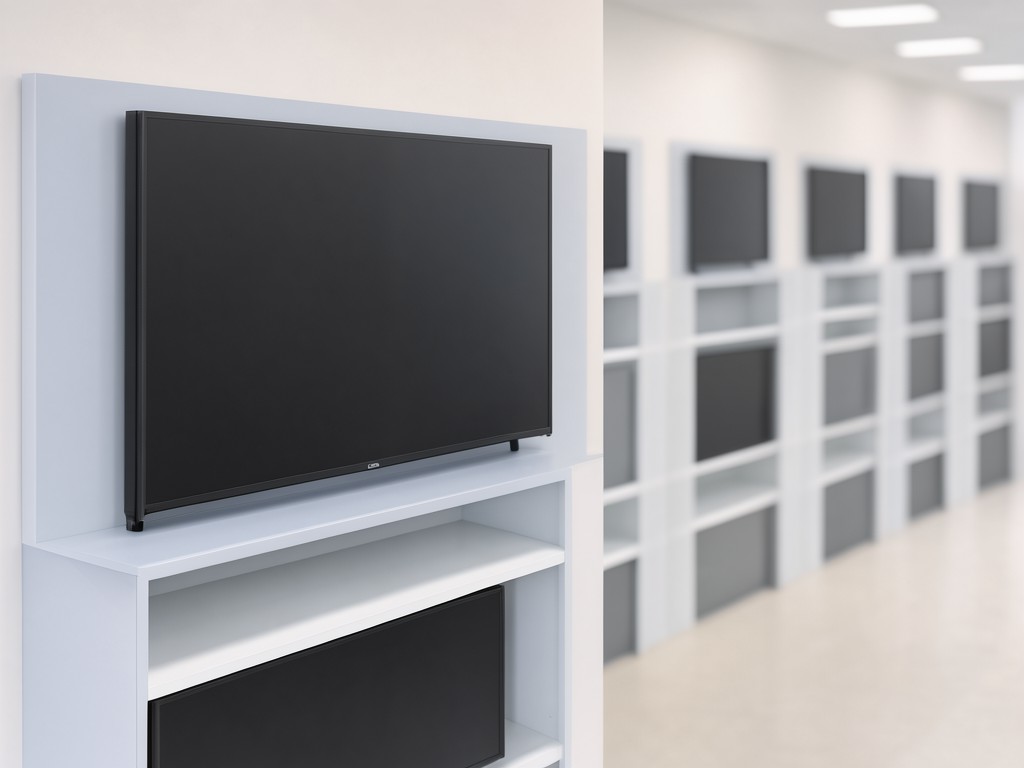
Furniture importers and home-furnishing distributors choose these units for flat-pack retail ranges, where carton dimensions, clear assembly instructions, and replacement hardware affect handling and warranty cost. Showroom buyers may favour a more detailed finish and display layout, while high-volume online sellers often prioritise compact packing and protection against corner damage during parcel or depot handling.
For rooms with direct afternoon sun, select and approve the finish with colour change in mind; for frequent dusting, confirm that shelf edges and exposed faces tolerate the stated cleaning method. The factory sample should represent the order’s panel core, surface, edge treatment, hardware, and pack configuration—not a display-only version.
Review the finish and carton artwork before the production release. Share the intended retail market, approved colour references, product dimensions, and carton-marking requirements so the sample and packing details can be checked against the purchase specification.
Request an artwork-and-branding review before confirming the repeat-order schedule.