top quality french style custom entryway and wardrobe exporter: Specification, Ordering and Quality Notes
What the Design Has to Balance
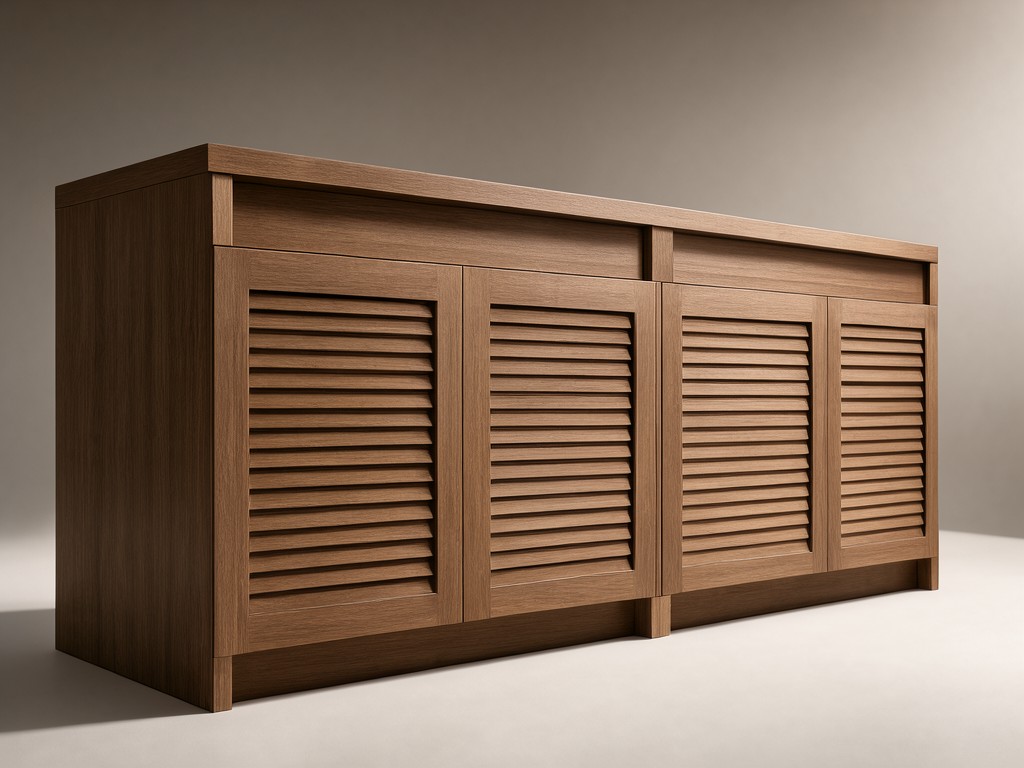
Deflection under load governs whether an entryway bench, shelf or wardrobe fitting still feels solid after daily use. A French-style profile adds shaped edges, framed door faces and decorative mouldings; those details need to fit the usable storage layout rather than crowd it.
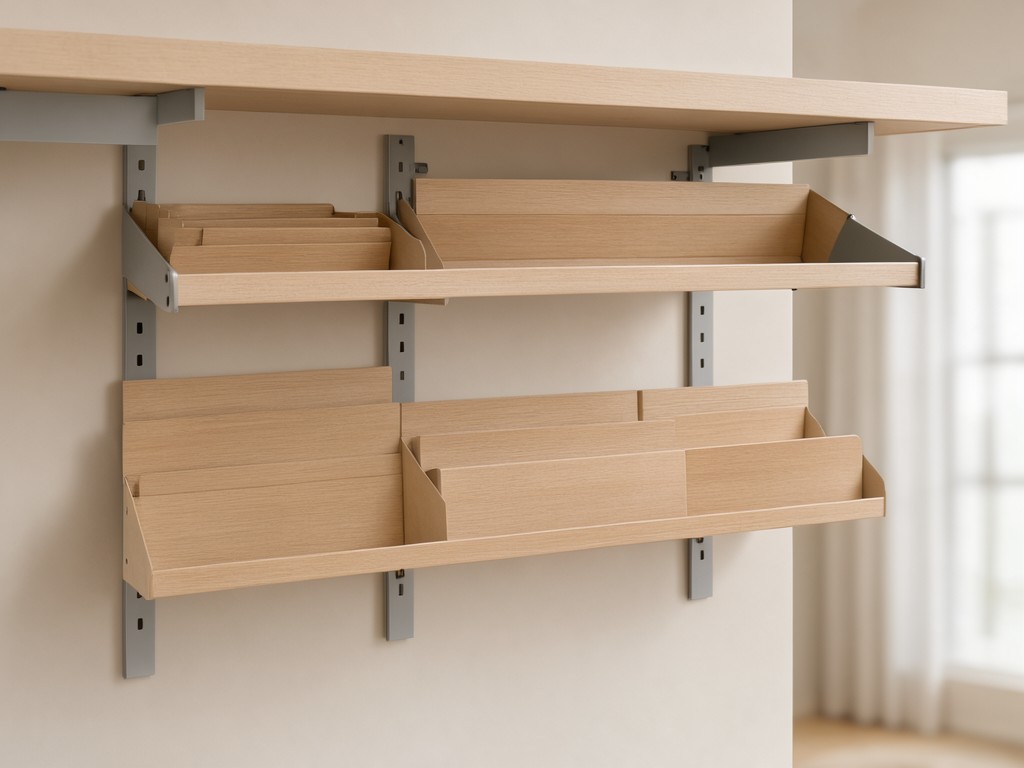
For a launch range, agree the outside dimensions, door clearances, shelf spans, hardware positions and finish sample before production drawings are released. Longer unsupported shelves and wider doors call for construction and support choices that suit the intended load and opening cycle. Those choices affect both unit price and carton size.
Release checkpoint: freeze the approved finish, hardware schedule and assembly method before the production run. A late change to a routed profile or door layout can require new setup work and move the shipment window.
How It Performs in Use
Consistency depends on how the frame, doors, drawers and hardware meet after assembly. If hinge positions drift between units, doors can sit unevenly or rub at the edge. If shelf supports or joints do not match the approved drawing, storage components may feel loose under everyday household loads.
A repeatable CNC cutting and drilling program helps hold panel dimensions and fitting locations; assembly checks then catch squareness and alignment issues before packing. Paint and lacquer appearance also depends on surface preparation and controlled application. The accepted sample should define the intended sheen and colour, since a finish viewed under different lighting can appear unlike the retail reference.
Option Comparison by Usage Level
The right specification depends on expected use and the retail price point. More decorative machining, additional hardware and a more involved finish schedule add operations; a larger confirmed order can spread fixed setup costs across more units.
Occasional-Use Range
A simpler profile and standard hardware can suit a lighter-use assortment. Fewer custom machining steps usually make sampling and initial setup less involved, but the agreed load, fit and finish still need inspection.
Frequent-Use Range
For daily opening, closing and storage, specify the required hardware cycle and load conditions at quotation. Extra reinforcement or upgraded fittings can raise the piece price, while a stable drawing and repeat order help limit avoidable setup changes.
Customisation Options and Their Limits
The interface between parts determines whether a customised look remains practical to assemble. Door overlays, moulding returns, handle positions and internal fittings all need enough clearance for the selected hardware and the packed product configuration.
- Profile and panel details can be adjusted to a drawing; extensive changes may require new CNC programming, tooling or a revised sample.
- Custom colours should be approved against a physical finish sample. A colour reference alone may not capture the effect of sheen, grain or application method.
- Brand marks, labels and hardware finishes should be confirmed with artwork and placement files before the production release.
- Combining several door sizes, colours or interior layouts within one order can add changeovers and complicate batch control. Consolidated specifications are easier to schedule.
Tooling and setup costs are most visible on a low-volume custom run. At higher confirmed quantities, those fixed costs are distributed across more pieces, but custom finishes and separate configurations still require their own process time.
Who Uses It and Where It Matters
Retail product managers use custom entryway and wardrobe pieces to build a coordinated home-furnishing range, where finish consistency and a clear assembly experience affect returns and repeat purchases. Importers and distributors need dimensions, carton data and product markings early enough to confirm container planning and local labelling.
In family homes, an entryway unit may see frequent door, drawer and bench use, while a wardrobe is judged on door alignment, storage access and stability. For multi-item room sets, consistent colour and hardware appearance across separate cartons matter as much as the appearance of an individual piece.
How Consistency Is Held Across Batches
Misaligned doors, inconsistent gaps and finish variation are easier to correct before a shipment is packed. A controlled drawing revision, retained approved sample and defined inspection points give production and procurement a shared reference.
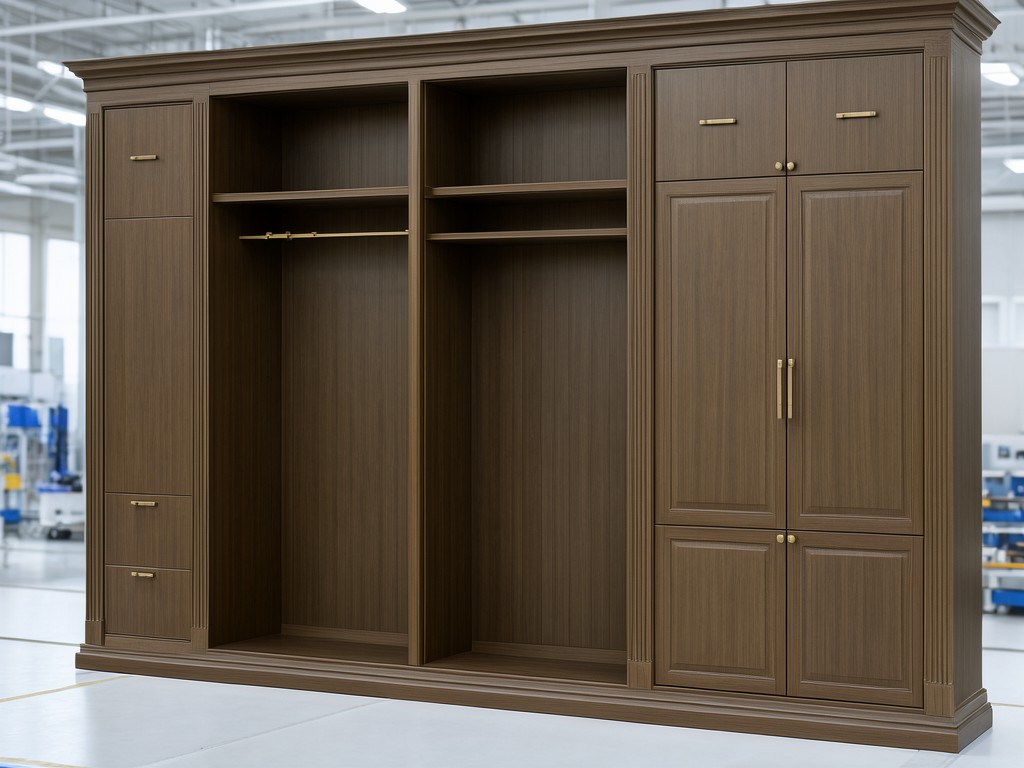
Factory checks can include dimensional verification, panel and frame squareness, drilling position, hardware fit, door and drawer operation, finish appearance and assembly stability. Inspection frequency and acceptance criteria should be agreed for the order; no single visual check replaces confirming fit and function on an assembled sample.
For repeat orders, preserve the approved specifications and record any authorised change against the batch. This reduces the risk that a later run uses an outdated hole pattern, hardware choice or colour reference.
Stock Availability and Reorder Planning
Launch dates are most exposed when approvals, custom components and freight booking are left until the production slot is near. Confirm the final drawings, finish sample, order quantity and shipping destination before agreeing a dispatch window.
Standard configurations may be easier to schedule than products with new profiles, special finishes or mixed variants. Larger volumes can improve unit-cost allocation for tooling and setup, but may need a longer production slot and more freight capacity. Request a current production and shipping estimate against the actual order mix rather than relying on a general lead-time assumption.
For reorders, share the previous purchase reference and identify any changes to quantity, artwork, packaging or destination. Early forecast visibility helps the factory reserve materials and capacity without treating an unconfirmed forecast as a released order.
Packing, Marking and Freight Configuration
Freight damage often appears at corners, projecting mouldings, glass or mirror components, and exposed finished faces. The packing plan should follow the product breakdown and the handling route, with protection placed at contact points and cartons arranged to suit the agreed shipping configuration.
| Shipping or Handling Condition | Likely Transit Complaint | Packing Specification to Confirm |
|---|---|---|
| Long-distance container handling with repeated transfers | Scuffed finish, crushed corners or shifted panels | Separate finished faces, protect corners and mouldings, and confirm carton strength against the packed item and stacking plan. |
| Flat-pack retail shipment with customer assembly | Missing fittings, mixed panels or unclear assembly sequence | Bag and identify hardware by assembly step; include the approved instruction sheet and verify the packed component set. |
| Mixed models or finish variants in one shipment | Carton mix-up or incorrect retail identification | Approve carton marks, SKU references and variant identifiers before packing; keep the packing list aligned with the final assortment. |
Carton dimensions, net and gross weights, pallet requirements and shipping marks should be confirmed from the packed configuration. Provide destination-market label and language requirements before artwork approval so that marking changes do not interrupt packing.
Discuss Your Project
Share the target launch date, product drawings, estimated order volume, finish references and destination. These details allow the factory to review setup requirements, sample timing, production capacity and freight packing before confirming a schedule.
Contact us to discuss your entryway or wardrobe programme and request a quotation based on the intended configuration and order quantity.