Personalized kids bedroom cabinet tatami storage system OEM Service: Specification, Ordering and Quality Notes
Before comparing quotations, confirm the room dimensions, storage layout, tatami platform construction and approval route. A missed drawing sign-off or a late hardware change can put a retail launch date at risk; locking those decisions before production gives the schedule a usable reference point.
What This Product Is and Where It Fits
| Specification area | Project definition | Buyer approval point |
|---|---|---|
| Overall footprint and platform height | Set from the approved room plan and intended mattress or mat arrangement. | Confirm wall clearance, access paths and door or drawer swing. |
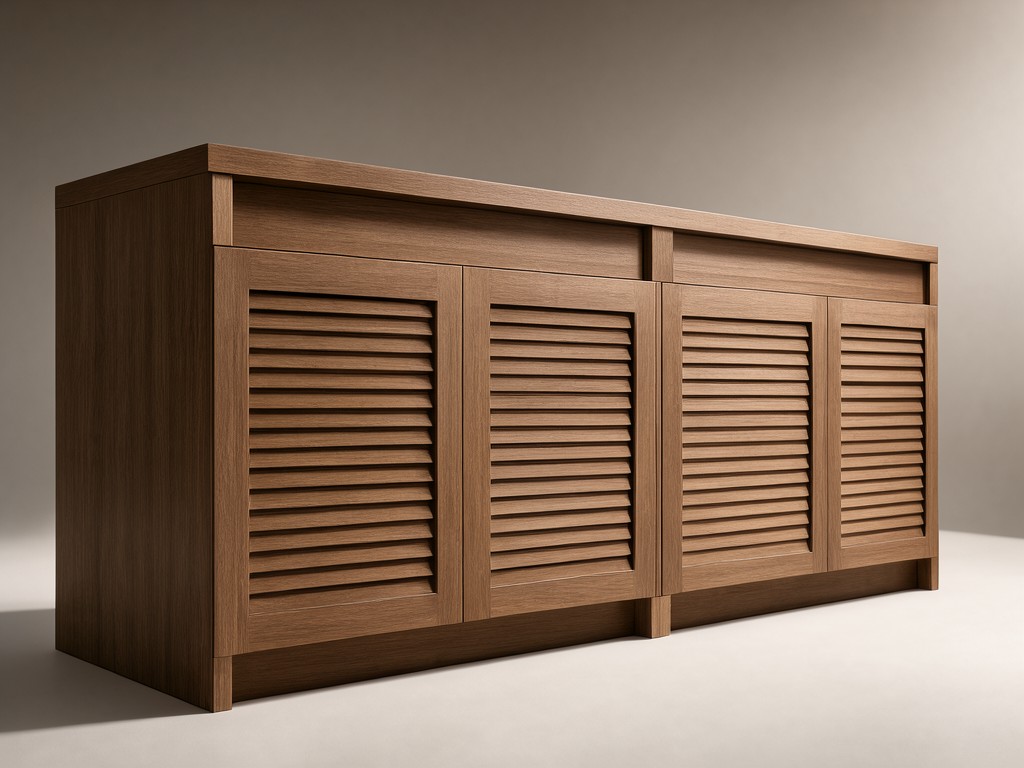
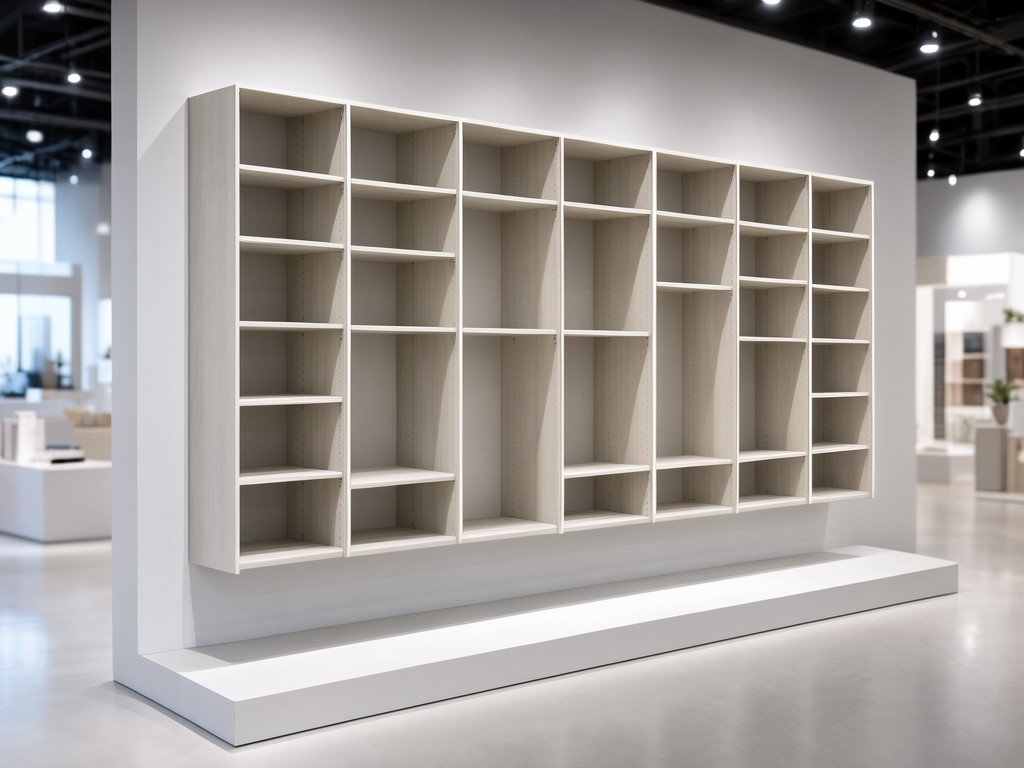
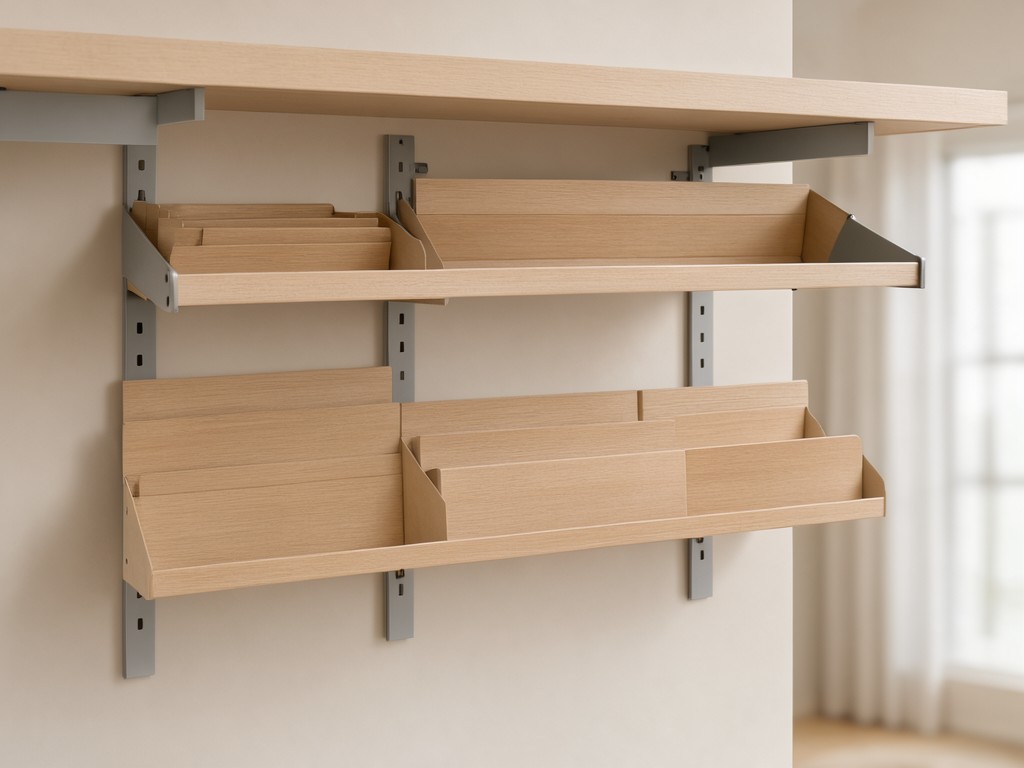
| Cabinet and storage layout | Choose drawers, hinged doors, open compartments or a project-specific combination. | Check usable compartment dimensions against the items stored. |
| Panel and frame construction | Select engineered wood panels, plywood or a specified combination according to span, finish and target cost. | Approve board type, thickness and visible edge treatment on the drawing and sample. |
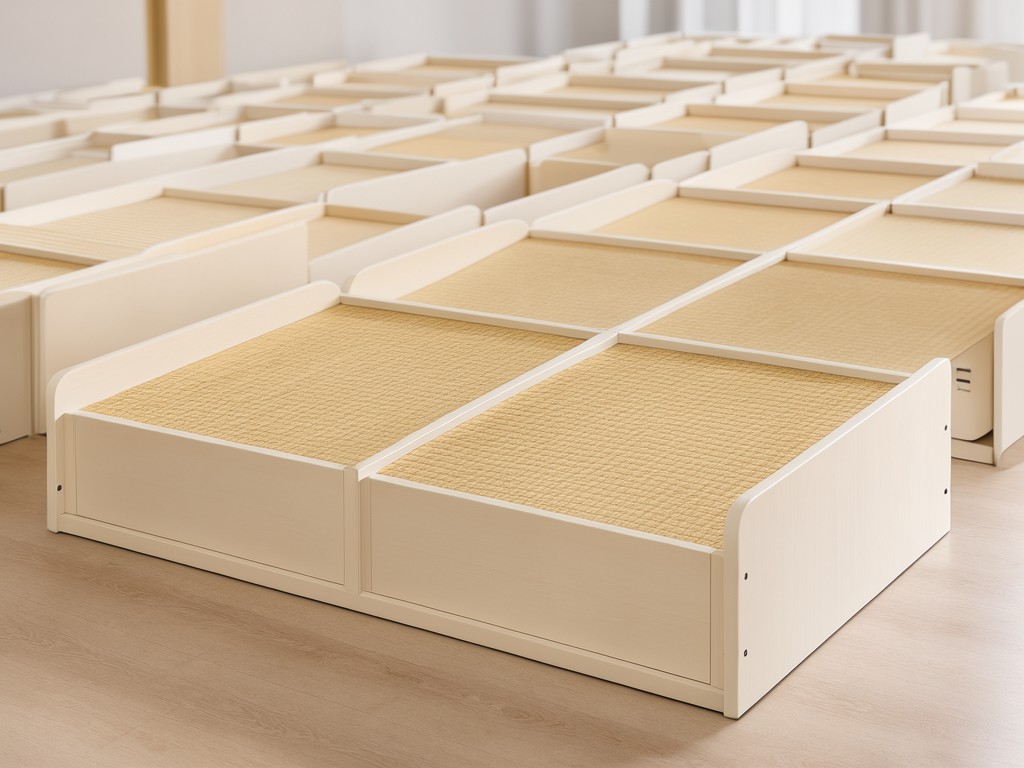
| Tatami insert and support | Define surface material, core construction, insert dimensions and support spacing for the intended use. | Review feel, fit and access for lifting or replacing the insert. |
| Set weight and load criteria | Calculate finished unit weight from the approved bill of materials; define load requirements for the platform and storage components. | Agree test conditions and acceptance criteria before the production run. |
This system combines a raised or floor-level tatami platform with cabinets or storage modules for a child’s bedroom. Private-label buyers can specify a coordinated set for retail, while project purchasers can adapt the layout to a room plan. It is not a fixed catalogue size: panel spans, access clearances and storage volume need to work together in the approved drawing.
Two suppliers quoting the same specification may still deliver different user experiences if one leaves the platform support spacing, drawer hardware or edge finish undefined. Treat the approved drawing, material schedule and physical sample as one specification set.
What Actually Determines Performance
Platform flex, loose fittings and drawer misalignment tend to draw complaints before the overall appearance does. Long unsupported panel spans can flex under repeated use; underspecified joints can loosen; and small changes in slide position can make a drawer rub after assembly. Set the support layout and hardware positions from the final load and use requirements, then inspect fit on a complete sample.
Panel Span and Edge Protection
A longer span may call for closer support or a different panel build, which can add material and assembly cost. Exposed edges near doors, drawers and floor contact points need a specified band or other approved edge treatment; an open or poorly bonded edge is more likely to chip or take on moisture during household cleaning.
Tatami Feel and Hardware Fit
A firmer insert can suit buyers who prioritize support and a defined surface; a softer build may feel more yielding but needs a core matched to the intended use. Drawer slides and hinges affect the feel on every opening, so check travel, alignment and closing action on the sample rather than selecting hardware by appearance alone.
Inspection rule: define the platform load condition, drawer operation check, visible surface standard and dimensional tolerances before sample approval. A vague “match sample” instruction is not enough if the sample itself has no recorded dimensions or material schedule.
Size, Weight and Specification Range
There is no universal size or finished weight for a personalized system. Room dimensions, cabinet count, board selection, tatami core and hardware all change the final figures. Record the outside dimensions in millimetres and the finished weight in kilograms against each approved configuration; do not price or schedule a revision from an earlier drawing.
Unit price settles the question only after the specification is comparable. A lower-cost board or simpler finish can reduce the quotation, but the buyer should check whether it changes panel support, edge coverage, surface feel or cleaning expectations. A custom dimension may also affect cutting yield and production setup, so consolidate sizes across a range where the room plan allows it.
Drawing and Sample Controls
Issue one controlled drawing with a revision date, dimensioned views, hardware locations and finish references. The factory can check panel dimensions, drilling positions, assembly fit and surface appearance against that record. Any change after sample sign-off should be assessed for material availability, tooling or setup impact before the buyer confirms a revised launch schedule.
Matching the Product to the Buyer's Need
For a compact bedroom, prioritize clear access to drawers and doors over adding storage compartments that block circulation. For a room with frequent changes in layout, favor modules that can be assembled and positioned without altering the main platform structure. The right choice is the one that solves the room’s storage problem without adding parts that buyers do not use.
- Choose a simpler panel and finish combination when target cost and repeat purchasing matter more than a special surface effect.
- Specify stronger support or a revised panel build where the agreed platform load or span requires it; confirm the added cost against the intended use.
- Select drawer or door hardware from a working sample if ease of access and quiet operation are key retail expectations.
- Use a single approved finish reference across cabinet fronts, visible sides and any matching tatami trim to reduce shade variation within a set.
Comfort and feel depend on the surface and core as well as the furniture structure. Request a sample that represents the proposed production materials; a finish chip alone cannot confirm the feel of the tatami insert or the action of the storage hardware.
What Can Be Customised and What Cannot
The factory can usually customize footprint, cabinet arrangement, panel materials, visible finish, tatami surface and core, handle style, hardware and brand presentation. Changes to dimensions or construction still need to respect panel support, hardware clearances and assembly access. A color request cannot compensate for a surface material that is unavailable or unsuitable for the intended cleaning routine.
| Finish or colour route | Buyer trade-off | Approval check |
|---|---|---|
| Melamine-faced panel in a selected decor | Often suits repeatable cabinet surfaces and cost control; decor choice depends on supplier availability and order quantity. | Approve a physical swatch and check edge-band match under the intended lighting. |
| Painted or coated panel surface | Offers a broader color route, with added preparation and finishing steps compared with a standard faced panel. | Review sample color, sheen, coverage at edges and expected cleaning method. |
| Wood-look paper, veneer or other specified surface | Can change the visual character and price; grain or pattern matching may add material selection and process controls. | Confirm pattern direction, acceptable shade range and visible-panel matching rules. |
| Tatami surface and core combination | Surface choice affects touch and upkeep; core choice affects firmness, thickness and fit within the platform recess. | Approve a full insert sample and confirm the care guidance for the selected materials. |
Some requirements cannot be confirmed from a digital color image alone. Surface sheen, woven texture and the perceived firmness of an insert need physical review. If the buyer supplies a brand color reference, state the approved tolerance and the viewing conditions before production approval.
Requirements by Buyer Segment
Private-Label Buyer
A private-label range needs consistent appearance and clear product identification across repeated orders. Submit brand artwork, finish references and the approved configuration together; separate files without revision control can lead to a mismatched label, color or cabinet layout at launch.
Procurement Officer
For a planned launch, track sample approval, material confirmation and production release as separate milestones. Agree which changes require a new sample, and request a clear record of the approved bill of materials so a cost-saving substitution does not change the visible finish or hardware action without consent.
Club or Academy Purchasing Manager
For academy lodging or shared youth accommodation, focus on repeated daily access, straightforward cleaning and parts that can be serviced if a slide or hinge needs replacement. Specify the expected room layout and use pattern before confirming the storage arrangement; a retail bedroom configuration may not suit a shared-use room.
Working as a Production Partner, Not a Catalogue Supplier
An OEM or ODM workflow starts with the room brief, target cost and intended launch date. The factory translates those inputs into a drawing, material schedule and sample plan; the buyer then approves the configuration before production release. This sequence reduces avoidable rework from late changes to dimensions, hardware or finish.
The production process typically includes panel cutting, edge treatment, drilling, surface finishing where specified, hardware fitting and sample or in-process assembly checks. Inspection can cover key dimensions, visible surface defects, edge adhesion, hole position, drawer and hinge action, and fit between the tatami insert and platform. Agree the acceptance criteria for each check before the order begins.
To keep a launch date attainable, send the final dimensions, finish references, logo files and required approval contacts in one controlled package. Confirm which sample represents production materials and record the sign-off date. For an artwork-and-branding review before release, send the artwork and product brief to our team.
A production slot should follow sample and drawing approval, not replace them. If a specification changes after approval, request a revised cost and schedule assessment before confirming the order update.