oem wooden wall paneling sample pack factory: What Buyers Should Check Before Ordering
Unit price settles the question only after a sample pack helps convert panel interest into a sale. For distributors and retail buyers, the useful comparison is how accurately each pack represents the panel range customers can reorder, and whether its contents are protected well enough to arrive ready for a showroom or counter.
Where Cheaper Alternatives Fall Short
A low pack price can become expensive when the samples do not match the panels later supplied. Wood species, veneer cut, stain absorption and grain naturally vary; weak batch controls add avoidable shifts in colour, thickness or profile between the approved pack and production stock.
Those differences affect more than appearance. A customer who selects a warm stain from the sample and receives panels with a visibly cooler tone may delay installation, reject cartons or ask the retailer to replace a sale. Ask whether sample boards are taken from current production materials, and how the factory records the species, finish formula, profile and production lot for repeat orders.
- Check that each finish is labelled by a usable code, not colour name alone.
- Compare panel thickness and edge profile against the specification that will be quoted to customers.
- Request a defined process for approving finish changes before a repeat sample run.
What the Design Has to Balance
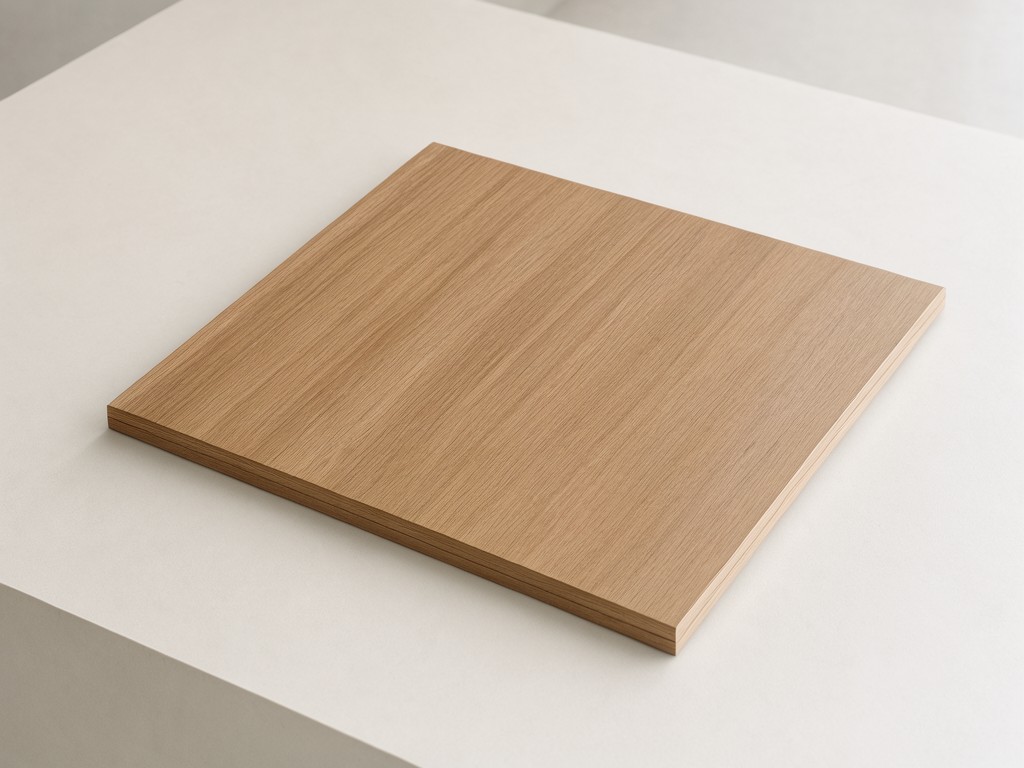
A sample needs enough panel area to show grain, colour and surface texture, but a larger or heavier pack costs more to produce and ship. Set the sample dimensions around the buying decision: a finish comparison may need a broad face, while a profile choice also needs a clear view of the edge and joint.
Finish selection also sets the service expectation. An oil or stain sample can show natural grain clearly, but buyers should explain that wood tone varies and that exposure to sunlight can alter appearance over time. A film-forming coating may give a more uniform face, at a different cost and with different repair characteristics. Neither sample should be presented as proof of suitability for an exposed exterior location unless the panel construction and finish have been specified for that use.
Keep the pack manageable for retail staff to handle and replenish. A compact assortment with legible codes can reduce counter confusion; too few examples, however, may leave customers unable to distinguish adjacent stains or profiles.
Construction Method and Its Effect on Consistency
Solid Wood Samples
A solid-wood face shows natural grain depth and variation directly. Species selection and board grading influence cost, while moisture conditioning and careful machining help keep thickness and profile consistent across the pack. Natural differences remain part of the material.
Veneered or Engineered Samples
A veneer over a stable substrate can present a more controlled face and reduce dependence on wide solid boards. Buyers should check veneer match, substrate edge appearance and bonding quality; the sample must identify the construction so it is not mistaken for solid wood.
A typical sample-pack route is to select and condition the stock, cut blanks, machine the face or profile, sand, apply the specified stain or coating, then cure, inspect, label and pack. The factory should compare pieces within a set for dimensions, edge quality and finish appearance. For repeat orders, retaining a signed or coded approval sample gives both sides a reference when natural grain or colour variation prompts a dispute.
Care, Storage and Service Life
Wood samples can shift or mark if stored in damp conditions, exposed to direct sun or left loose in a shipping carton. Keep packs dry and flat, away from heaters and windows. During display, follow the finish maker’s care guidance; harsh cleaners can dull a coating or change the appearance of an oiled surface.
For panels intended for rooms with changing humidity, explain the installation and acclimation conditions separately from the sample’s display life. A sample pack demonstrates a finish and construction at a point in time; it does not replace product-specific guidance on moisture exposure, expansion allowance or exterior use.
- Store replenishment stock in its protective packaging until the retail display needs a replacement.
- Use a dry, soft cloth for routine dust removal unless the specified finish requires another method.
- Replace samples with chipped edges, lifted veneer or visible finish damage; these can misrepresent the saleable panel.
Ordering, Tooling and Lead-Time Questions
| Packaging Detail | Options to Confirm | Why It Matters |
|---|---|---|
| Individual sample protection | Sleeve, divider or face protection suited to the finish | Prevents abrasion and edge knocks from making the pack unfit for display. |
| Pack identification | Finish code, species or substrate, profile and reorder reference | Lets retail staff connect the approved sample to the correct panel specification. |
| Outer carton | Pack count, carton marking and export protection based on shipment route | Reduces transit damage and makes receiving checks easier for the distributor. |
Can Sample Packs Use the Same Finish Codes as Panel Orders?
Yes, if the code is tied to a defined finish and substrate specification. Confirm whether a new finish batch requires a revised sample, and ask the factory to flag changes rather than silently substituting a close colour match.
Does a Custom Retail Display Require New Tooling?
Cut-to-size samples and printed labels may need no dedicated tooling. A shaped holder, routed display piece or custom die-cut insert can add setup cost and approval time. Ask for tooling charges separately from the per-pack price so the cost can be assessed across the intended order volume.
What Affects the First Order Lead Time?
Existing stock, finish development, label artwork approval and any custom display components all affect the schedule. Confirm the sample approval date, production quantity and packing method before setting a delivery window; repeat runs can be planned more accurately when the approved reference and artwork remain unchanged.
Discuss the panel range, sample dimensions, finish codes, target pack quantity and destination before requesting a quotation. That gives the factory enough detail to compare material use, packaging and setup cost against your expected sell-through.
Start a project discussion about an OEM wooden wall paneling sample pack and its repeat-order reference process.