oem luxury hidden tv media wall design company: Specification, Ordering and Quality Notes
During a private-label launch with a fixed ship date, a concealed-TV media wall has to fit the nominated screen, clear the cover panels, and arrive without finish damage. A mismatch at any one of those points can turn a sellable cabinet into a site-rework or return cost.
Production normally starts with the buyer’s TV model and room elevation, then moves through shop drawings, a finish sample, and a signed approval set. The cabinet is manufactured to that approved information; the TV itself is not part of the supply unless the quotation states otherwise.
Scope of Supply and Physical Form
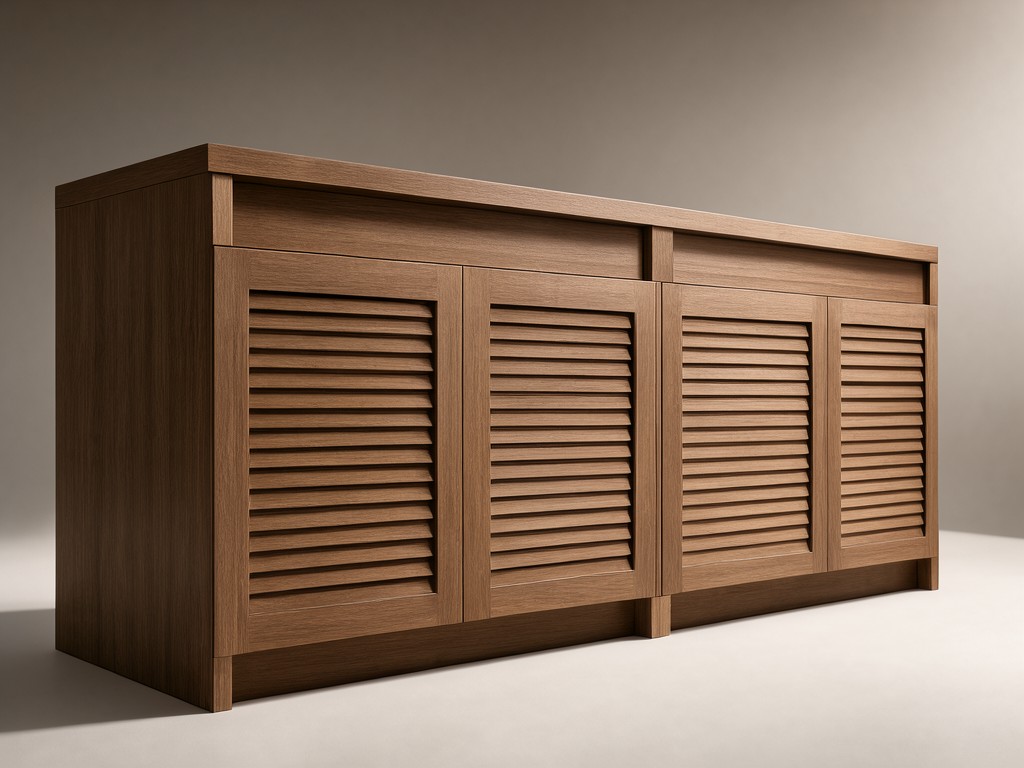
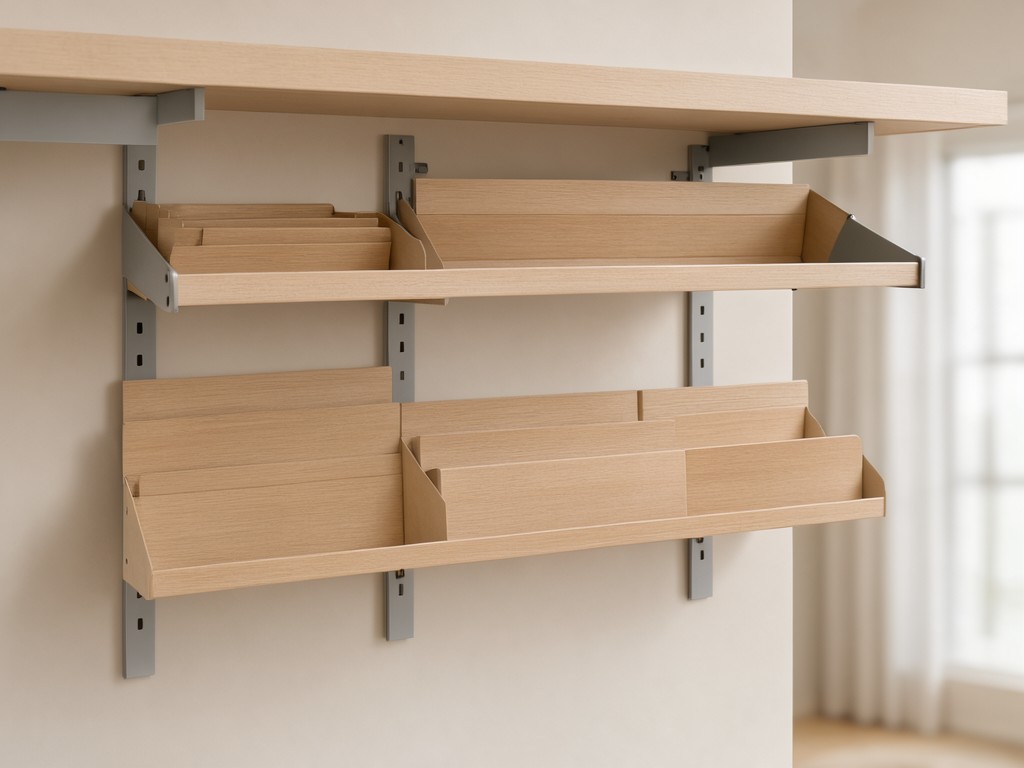
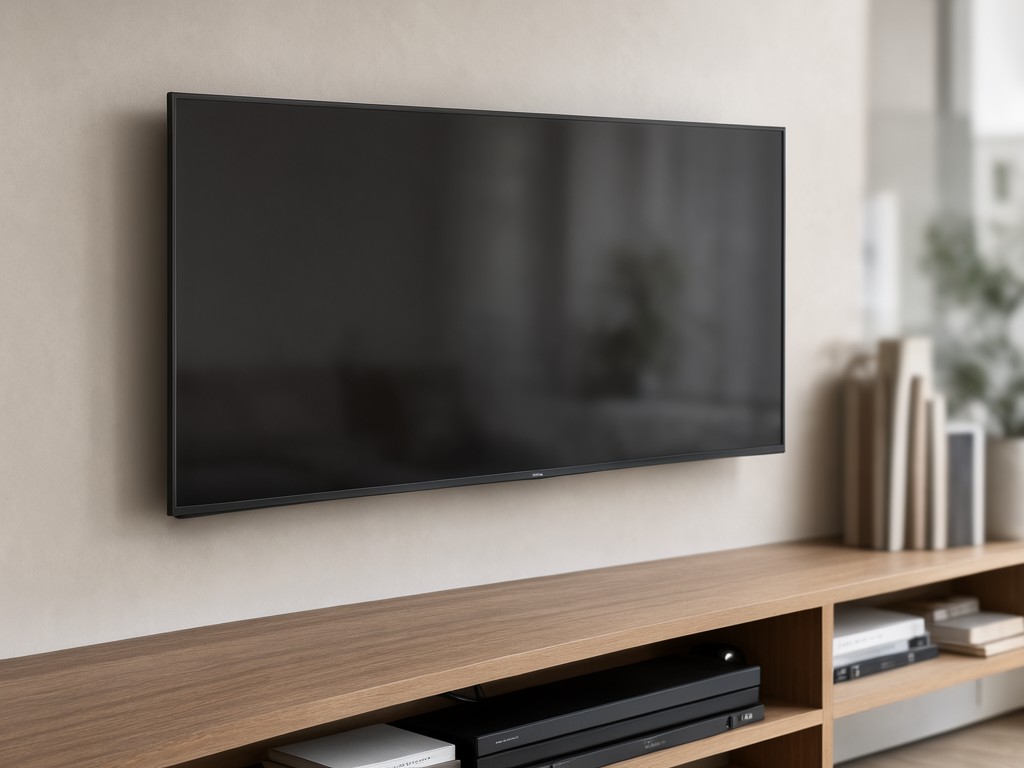
The product is a made-to-order interior cabinet assembly that conceals a fixed wall-mounted television behind sliding face panels. A typical supply includes cabinet sections, the TV mounting rail or bracket specified in the drawing, panel tracks, access provisions, and installation hardware. The screen, wall structure, and on-site electrical work remain outside the supply unless they are listed on the order.
- Carcass construction may use furniture-grade plywood or engineered board, with veneer, lacquer, or another approved decorative surface.
- Sliding panels run on concealed or set-back tracks. Panel overlap and travel must be shown on the drawing so the screen is fully covered when closed and accessible when open.
- Cable routes, rear access, and ventilation clearances are agreed around the selected TV and connected equipment, not inferred from the cabinet’s outside dimensions.
Pack-out and order timing affect the landed cost per unit. A finish sample and drawing approval date should be included in the purchase schedule because late changes can reset material preparation or production sequencing.
| Order item | Basis to confirm | Buyer planning note |
|---|---|---|
| Protective packaging | Panel finish, cabinet section size, export route, and whether units ship assembled or flat-packed. | Specify corner protection and face separation where finished surfaces could rub during transit. |
| Lead time | Quoted after drawing, finish, hardware, and packaging approvals are complete. | Set the ship-date plan from the approval milestone, not from the first inquiry date. |
| MOQ and repeat orders | Confirmed against the project configuration, finish process, and batch quantity. | A locked finish reference and drawing revision simplify repeat-season matching and reduce approval cycles. |
Where This Product Beats Standard Alternatives
A standard open TV console usually costs less at purchase, but it leaves the screen and cables visible and may not match the room’s joinery. A concealed-panel design adds track hardware and tighter coordination between screen dimensions, panel travel, and cabinet depth. It earns its place when the buyer’s range depends on a continuous fitted look and fewer installation adjustments, rather than the lowest cabinet price alone.
| Room or use condition | Complaint seen after delivery | Specification to lock before production |
|---|---|---|
| The TV is changed late in the project or differs from the model used for the initial quote. | Screen edges show when the panels close, or the panels interfere with the screen when they open. | Approve the actual TV dimensions, panel overlap, opening travel, and mounting position on the shop drawing. |
| The cabinet is installed against a wall that is not square or flat. | Panel gaps vary across the face, or the track binds during travel. | Set the installation datum, allowable site adjustment, track alignment, and reveal dimensions in the drawing and installation notes. |
| A dark or delicate finish travels through several handling and distribution stages. | Scuffs, chipped corners, or inconsistent colour lead to a rejected unit or replacement panel. | Approve a physical finish sample and define face protection, edge protection, and pack configuration before the production batch. |
For retail and distributor programmes, the gain is less about hiding a screen in isolation and more about controlling fit and appearance across repeat orders. A stable drawing revision and retained finish reference reduce the chance that a reorder needs fresh site work or creates a visible mismatch beside earlier units.
Size, Weight and Specification Range
Overall width, height, and depth are derived from the room elevation, the selected TV’s outside dimensions, and the required panel travel. Cabinet weight follows the finished footprint, board choice, internal reinforcement, and whether the unit ships assembled; it should be confirmed from the approved bill of materials before freight is booked.
The drawing should state finished dimensions, panel gaps, track position, TV mounting height, cable access, and the ventilation space required by the TV manufacturer. Any dimensional tolerance that affects installation or panel movement must be written into the approval set rather than left to visual judgement on the factory floor.
Approval rule: lock the TV make and model, finish sample, hardware reference, and drawing revision together. A change to the screen or panel design after approval can affect clearances, track travel, cabinet depth, and the quoted pack size.
Inspection Items and Test Methods
Inspection starts against the approved drawing and finish sample. A first-article assembly is useful for checking panel coverage, travel, hardware access, and installation sequence before the batch proceeds. The buyer and factory should agree any acceptance limits that are not already stated on the drawing.
- Measure cabinet sections, panel dimensions, mounting positions, and visible reveals against the current drawing revision.
- Cycle the sliding panels through their full travel; check for binding, excessive play, collision, or incomplete TV coverage.
- Inspect finish colour, sheen, edge treatment, and visible surface defects beside the approved sample under consistent viewing conditions.
- Confirm hardware and installation parts against the packing list, then review the protective pack before shipment.
Record the inspected lot and drawing revision with the shipment documents. Where a buyer needs photo records or a sample sign-off, agree the format and approval point before production so the release date remains clear.
Care, Storage and Service Life
Store cabinet panels flat on a dry, protected surface and keep finished faces separated. Moisture exposure can move board components or affect veneer and lacquer; long-term leaning can also bow a large panel. Keep packaging in place until the installation area is ready.
For routine cleaning, use a soft cloth and a cleaner approved for the selected finish. Abrasive pads and aggressive solvents can dull or mark the surface. Remove dust from the tracks and check fasteners if panel travel changes; do not force a panel past a stop or obstruction.
Service life depends on installation alignment, room humidity, handling, and the finish system. If the wall is out of plane, correct the installation datum before adjusting track hardware, or panel gaps may remain uneven after adjustment.
Questions Buyers Ask Before Ordering
Which TV details are needed to release the drawing?
Provide the make and model, outside width and height, mounting pattern or bracket information, connection locations, and the manufacturer’s ventilation requirements. A product link or dimensioned technical sheet helps prevent reliance on screen-diagonal size alone.
Can a finish be approved from a photograph?
A photograph can support early selection, but it cannot fully show sheen, texture, or colour under different light. Approve a physical sample for the production reference, especially when units will sit beside other cabinetry or be reordered later.
What usually changes the MOQ or lead-time quotation?
Project dimensions, finish process, hardware selection, batch size, and pack configuration all affect the quotation. Lead time is confirmed after the drawing, finish, and order details are approved; a late change can require renewed material or production planning.
How can a repeat order match the first batch?
Keep the approved drawing revision, finish reference, hardware specification, and inspection record with the item file. For a range extension, compare the new elevation and TV model with the original before tooling or production release.
Start with a tooling review. Share the TV model, room elevation, target finish, expected order quantity, and ship window. The review can identify drawing, track, and packaging decisions that need approval before a production quotation is fixed.
Request a tooling review