oem bedroom mdf wall cladding panels exporter: What Buyers Should Check Before Ordering
A bedroom panel range succeeds when its surface, profile and joint layout fit the room design without making installation or reordering unpredictable. For private-label buyers and distributors, agree the drawing, reference sample, finish and dimensional tolerances before production. That locks the product definition before tooling, artwork and packing details move forward.
The Problem Buyers Keep Paying For
| Construction option | Where it fits | Trade-off to settle at approval |
|---|---|---|
| MDF core with melamine-faced surface | Repeat room programs that need a consistent decor and a wipe-clean face. | Decor selection is tied to available surface papers; agree the exact face and edge treatment together. |
| MDF core with veneer or painted finish | Projects where the grain, paint shade or tactile finish is a visible part of the room specification. | Natural veneer varies by sheet; painted finishes add colour approval and cure-time considerations. |
Returns and site rework often start with small mismatches: a groove shifted from the approved drawing, a visible shade change between cartons, or a panel edge that chips during cutting. The commercial cost is not just replacement stock. Installers may need to stop work, sort mixed batches or adjust joints to compensate for dimensions that were never written into the order specification.
For bedroom interiors, confirm the intended fixing method and the wall condition as well as the face finish. MDF is a wood-based panel; it is not a waterproof cladding material. Rooms with persistent moisture or direct water exposure need a different material decision or a separately specified protection plan.
What the Design Has to Balance
Room drawings determine more than the panel’s overall width and height. Groove spacing, edge returns, corner details and the meeting point with skirting or trim all affect how the wall reads after installation. A profile that looks right as a small sample can feel too deep across a full wall, so approve a representative section or sample panel at the intended viewing distance.
Balance and load analysis shows whether the specified panel thickness and profile suit the proposed support arrangement. Thicker boards can give a deeper routed profile and a more substantial feel, but they add weight and material cost. Thinner panels reduce mass but leave less material for deep grooves and can be more sensitive to handling or uneven wall support. Agree the panel dimensions and fixing details as one system rather than as separate line items.
A drawing is the production reference, not a substitute for finish approval. Keep a signed or otherwise documented sample reference, the latest revision of the panel drawing, and the agreed tolerance notes together in the order file.
How It Is Built and What That Changes
The interface between parts determines whether panels align cleanly across a wall. A typical OEM route starts with MDF sheet selection, then cutting and CNC routing to the approved profile. The face is laminated, veneered or painted to the agreed specification; exposed edges receive the specified edge treatment. Any change in core thickness, groove depth or surface build-up can alter the finished dimensions, so confirm which dimensions refer to the bare board and which refer to the finished panel.
Routing requires enough remaining material beneath the deepest cut. If the drawing calls for a pronounced relief, the factory should review that profile against the selected board thickness before sample production. This check can prevent breakout, weak edges or a profile that differs from the visual approval sample.
Measured Performance in Real Use
During installation, buyers notice flatness, square cuts, edge integrity and repeatable joint dimensions before they notice a laboratory figure. Set inspection limits for panel length, width, thickness, groove position and surface defects against the approved drawing and reference sample. The actual tolerances should be agreed for the panel size and profile; a routed decorative edge may need different inspection points from a flat-faced panel.
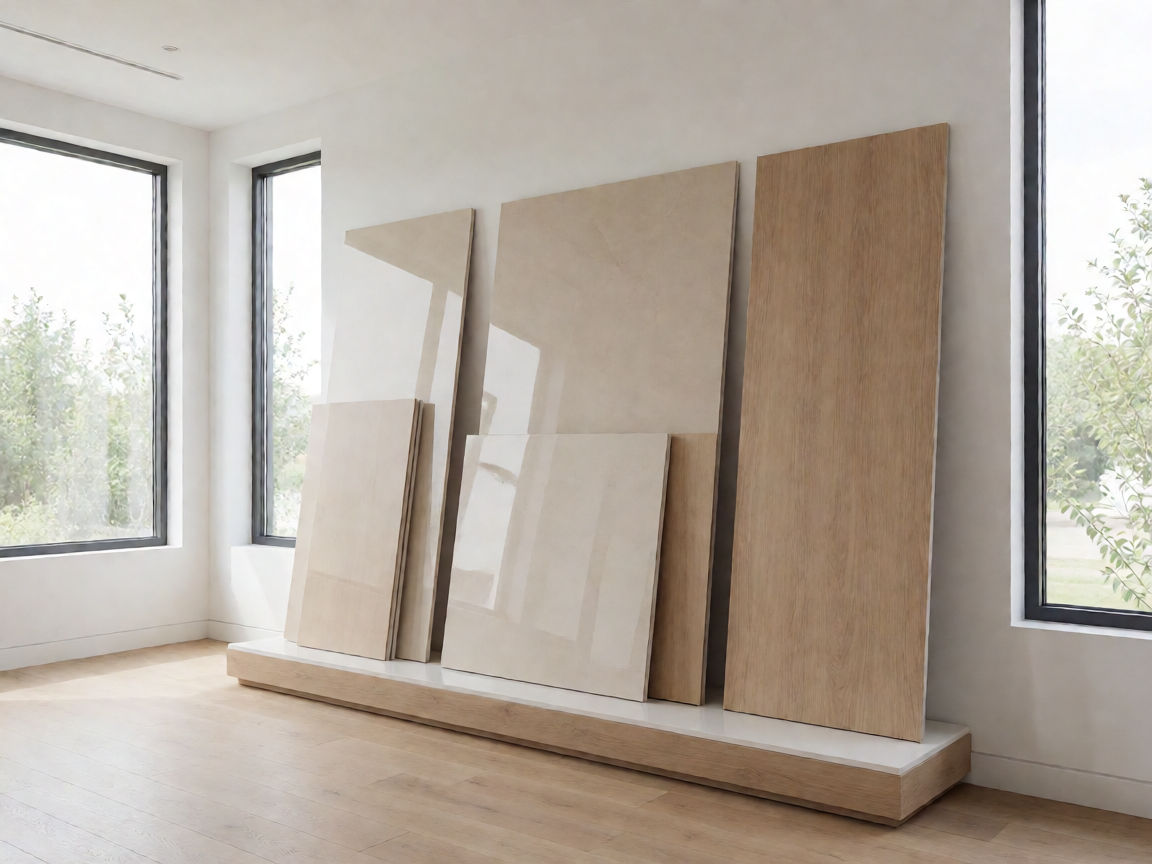
MDF can swell or distort if exposed to moisture, and cut edges are more vulnerable than a sealed face. Store cartons indoors, keep panels dry before fitting, and follow the installation system specified for the wall substrate. For a bedroom program, evaluate the finish for normal indoor handling and cleaning rather than treating it as a wet-area surface.
Customisation Options and Their Limits
Private-label changes are simplest when they stay within the agreed core, profile and finishing process. A new decor or paint shade may require a fresh approval sample; a new groove profile may need a revised CNC program and a sample cut. Send artwork as production-ready files with dimensions, placement and colour references. The supplier should return a proof or physical sample for approval before the production batch starts.
Keep the Profile; Change the Finish
Retaining the approved routing keeps the panel geometry stable. The review centers on the new surface, including shade, sheen, grain direction and edge appearance.
Change the Profile; Recheck the Panel
A new groove or edge detail can affect machining time, usable thickness and finished dimensions. Approve a revised sample before the drawing is released for production.
A lower-cost decor substitution is not an automatic match. Surface texture and batch shade can differ even when the colour name is similar, so record acceptable alternatives in writing rather than relying on a verbal approval.
Quality Control and Batch Consistency
Consistency depends on using the same approved inputs and inspection references across the order. A practical factory check covers the board thickness, finished dimensions, profile location, face appearance and edge condition. Surface comparison should use the retained approval sample under consistent viewing conditions; record any accepted variation before packing begins.
- Match the production drawing revision to the purchase order and approved sample.
- Check routed dimensions and panel squareness at agreed inspection points.
- Separate panels with chips, visible face defects or finish variation outside the agreed reference.
- Identify batch and carton references so a reorder or claim can be traced to the production lot.
A first-off panel approval helps catch setup drift before the full run. For repeat orders, compare the current sample against the stored reference and confirm whether any drawing, finish or packaging revision has changed since the previous shipment.
Keeping Repeat Orders Supplied
Reorder continuity depends on the availability of the selected MDF grade, face material and finish. A stock decor may shorten the preparation stage; a custom veneer match, paint colour or surface paper can add sourcing and approval time. Ask the exporter to confirm the material plan and production window against the approved specification before promising a delivery date to a distributor or project customer.
Keep a controlled specification pack for each private-label item: drawing revision, sample reference, artwork files, inspection limits and carton marking. If a material substitution becomes necessary, require written approval before production. This protects the match between initial installations and later replacement panels.
Packing, Marking and Freight Configuration
Panel faces and corners need protection from abrasion, impact and moisture during handling and export transit. Confirm the number of panels per carton, protective layers between finished faces, corner protection and pallet arrangement against panel dimensions and shipment route. Oversized panels may need a different carton or pallet plan; do not approve packing from a small sample alone.
Specify carton labels before packing. Useful fields include product code, finish, panel size, quantity, batch reference and handling direction where required by the buyer. Confirm the shipping marks and label artwork in the same approval round as the packaging layout, so private-label cartons do not become a late-stage production hold.
For a sample request, send the target panel dimensions, profile drawing, finish reference, estimated order quantity and destination. The factory can then confirm sample scope, approval steps and a packing proposal against the intended shipment.
To discuss an OEM bedroom MDF wall cladding specification or arrange a sample review, contact the export team with your drawing and finish requirements.