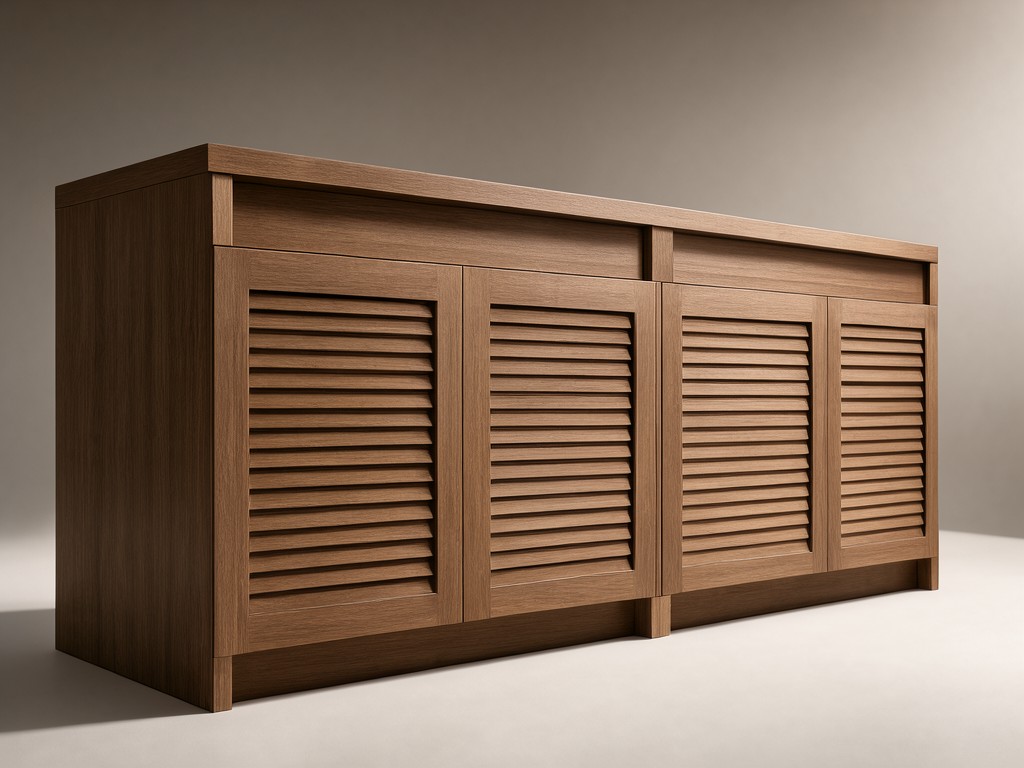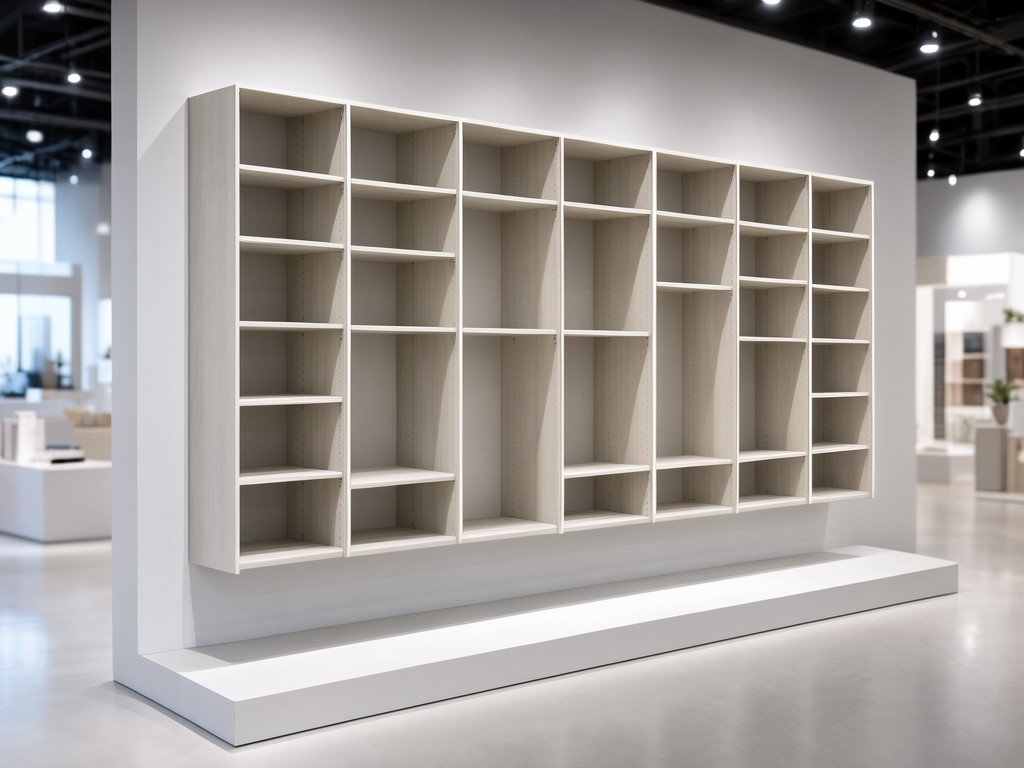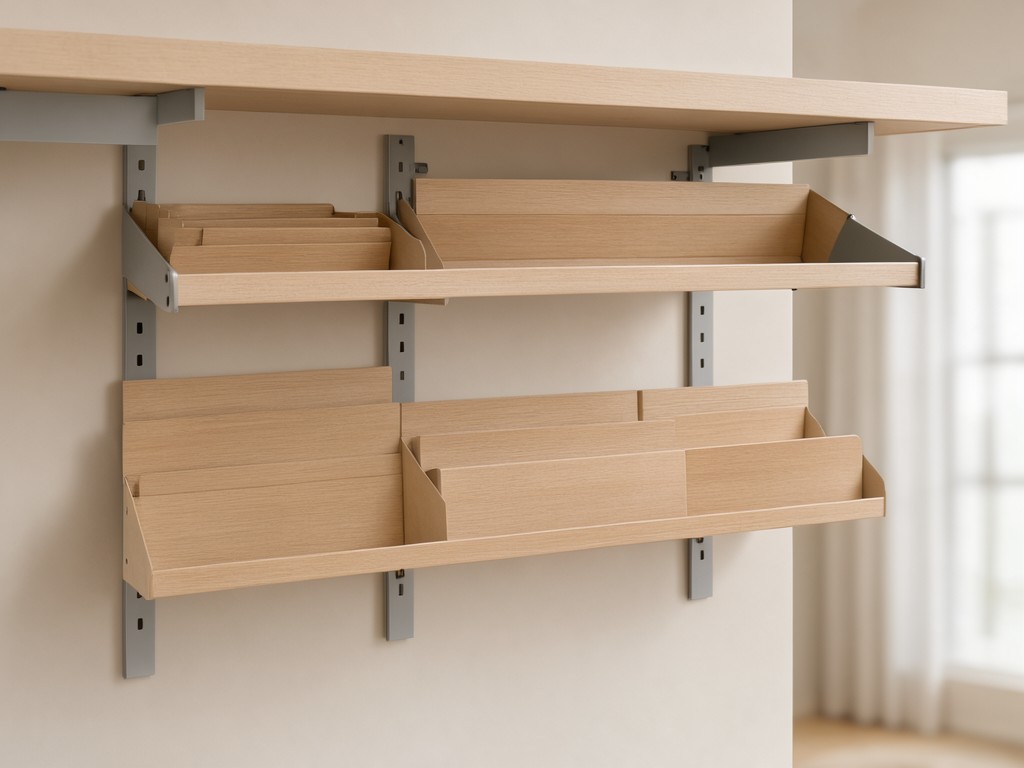
factory direct matte mixed paint wood panel wall factory: Specification, Ordering and Quality Notes
Selection rule: agree the panel substrate, paint build and colour reference together. A denser, smoother substrate and controlled primer stage can improve the appearance of a matte multi-colour finish, but they add material and process cost. For repeat orders, approve a production-intent sample and hold its surface, colour and gloss as the comparison point.
The Problem Buyers Keep Paying For
The complaint that repeats across reorders is a wall that looks like a different product once the panels sit side by side. A small shift in paint tone, sheen or edge coverage becomes obvious across a broad installation, even when each panel looks acceptable on its own. Repairs then involve more than the panel cost: installers lose time sorting pieces, and buyers face replacement freight or warranty claims.
Matte paint can soften reflected light and give a quieter surface, but it also makes handling marks and uneven application easier to see under raking light. Mixed colours add another source of variation if the factory does not define colour references and inspection conditions by batch. Compare landed cost against the likely cost of sorting, replacement and installation disruption; the lowest panel price is not the lowest-order cost when colour drift repeats.
Construction Method and Its Effect on Consistency
For painted interior wall panels, a practical production route is to condition and machine the selected wood-based substrate, sand the face and edges, apply a compatible primer, then build the matte colour coats with controlled drying between stages. Panel thickness, edge profile and substrate choice must be fixed before the paint sample is approved; changes can affect fit, surface absorption and the finished appearance.
MDF can provide a uniform face for interior use, while plywood may suit projects that need a different substrate construction or fastening behaviour. Neither option removes the need to manage moisture and flatness. The factory should check incoming material, finished dimensions, face condition and colour against the signed sample; where a gloss target has been agreed, a gloss meter can help distinguish a true sheen shift from a lighting difference.
| Finish or colour approach | Production consideration | Buyer decision point |
|---|---|---|
| Single matte colour | Fewer colour changeovers; define the acceptable tone and sheen against an approved sample. | Suitable where a continuous wall field matters more than colour blocking. |
| Two or more coordinated matte colours | Each colour needs a controlled reference, clear panel mapping and inspection under agreed lighting. | Confirm the layout and colour sequence before production to limit sorting and installation errors. |
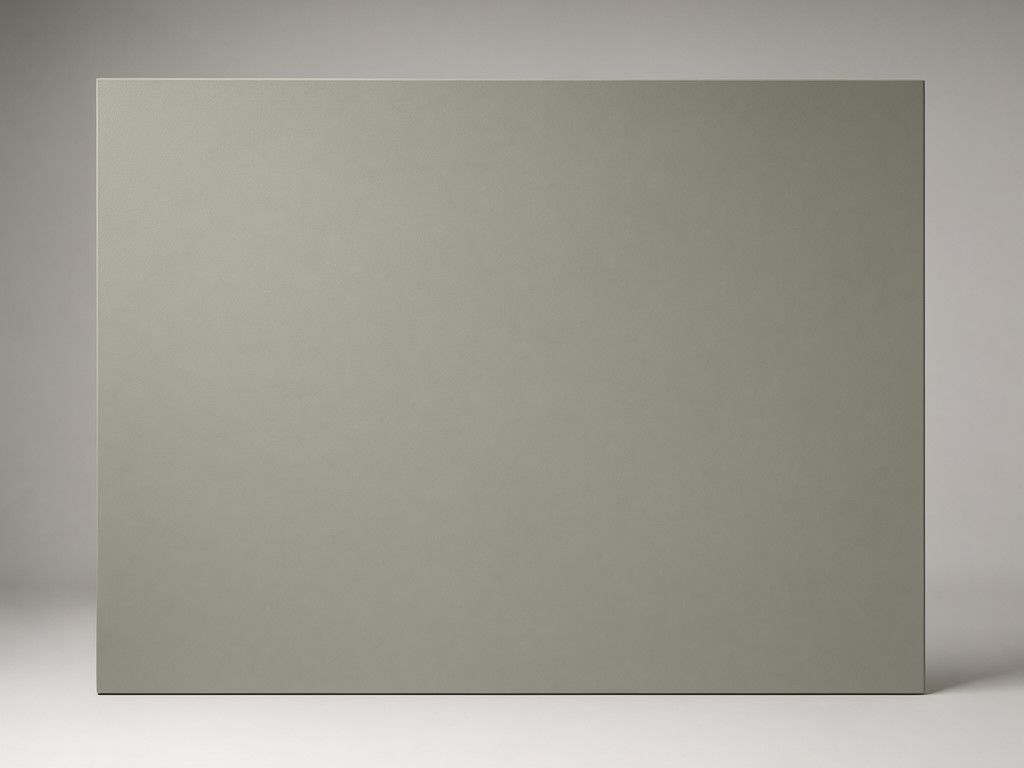
| Deep or saturated matte tones | Coverage and surface marks can be more visible; primer compatibility and handling controls matter. | Approve a finished panel, not a paint chip alone. |
Buying Mistakes That Lead to Returns
Returns usually trace back to the same weak point: the purchase order describes a colour and panel size, but not the conditions that make the production sample repeatable. A paint name alone does not control sheen, coverage or the visual effect of the substrate. If the reference sample uses a different primer, edge treatment or panel face, the production comparison is incomplete.
Buyers also create avoidable claims when they mix cartons from different production lots across one uninterrupted wall. Ask the supplier to identify batches and keep lot information with the packing records. Before dispatch, agree how the factory will check dimensions, panel flatness, visible face defects, edge paint and colour match; set any acceptance limits in the order documents rather than relying on a general visual promise.
Batch rule: approve one retained, production-intent reference and compare the next run under the same lighting and viewing conditions. That process helps separate a real paint or sheen deviation from changes caused by room lighting or installation position.
Who Uses It and Where It Matters
Private-label interior brands use painted wood panels for coordinated wall schemes where colour continuity affects the finished room and the next replenishment order. In residential renovations, installers need panels that arrive flat, protected and grouped in a way that makes the intended colour layout clear. For retail fit-outs and hospitality interiors, frequent cleaning and contact from bags, chairs or service equipment make paint adhesion and surface-care instructions part of the buying decision.
Dry interior locations are the usual application. Areas with persistent moisture, direct water exposure or rapid temperature swings need a substrate and installation detail selected for those conditions; a painted face does not make a wood panel waterproof. Where occupants lean against the wall or furniture repeatedly rubs the surface, request a finish sample for a practical abrasion and cleaning review before setting the retail claim.
Working as a Production Partner, Not a Catalogue Supplier
OEM and private-label production works best when the buyer and factory lock the reference sample, drawing revision, colour layout, packaging method and inspection checkpoints before the first bulk run. That record gives both teams a basis for investigating a later claim. A clear change-control step is also needed if the substrate, paint system or panel dimensions change between orders.
MOQ and timing depend on panel dimensions, material sourcing, number of colours, paint-line changeovers and packaging requirements. A multi-colour order can need more setup and inspection than a single-colour run; a repeat order may move faster when the same material and approved finish remain available. Confirm the start point for lead time, such as approval of the sample and artwork, and make sure the quoted schedule includes production checks and export packing.
| Order condition | MOQ effect | Lead-time effect |
|---|---|---|
| Standard panel size and one established colour | Usually easier to quote against the factory’s material and production setup. | Can avoid extra approval steps if the reference and material remain unchanged. |
| Multiple colours or a new finish reference | May require a larger run to account for setup, colour sequencing and material yield. | Allow time for sample review and any agreed colour or sheen adjustment. |
| New size, edge detail or substrate | Quote depends on material availability and any setup needed for machining or packing. | Include drawing confirmation and production-intent sample approval in the schedule. |
Care, Storage and Service Life
Store cartons flat in a dry, covered space and keep them away from standing water, damp floors and direct heat. Let panels acclimatise to the installation environment before fitting when site conditions differ from the warehouse. Keep protective separators in place until installation; sliding painted faces against one another can scuff the matte surface.
For routine cleaning, use a soft cloth and a mild cleaner that has been checked on an inconspicuous area. Abrasive pads and strong solvents can polish, scratch or soften the paint film. Service life depends on substrate stability, installation conditions, contact and cleaning practice, so state those limits in the product care sheet rather than promising the same life in every room.
For a quotation review, send the panel drawing, substrate preference, colour references, estimated order quantity, destination and required packing details. Contact the production team to confirm the sample approval path, inspection points, MOQ and lead-time basis before placing the order.