Specifying eco-friendly bedroom half wall wood paneling factory for Wholesale and OEM Orders
The complaint that repeats across reorders is a visible mismatch: one batch sits flush and feels smooth, while the next has slight size variation, a different sheen, or edges that catch dust during cleaning. For distributors and retail buyers, the practical fix starts with a controlled panel specification: core, thickness, finish, edge detail, and pack format agreed before production.
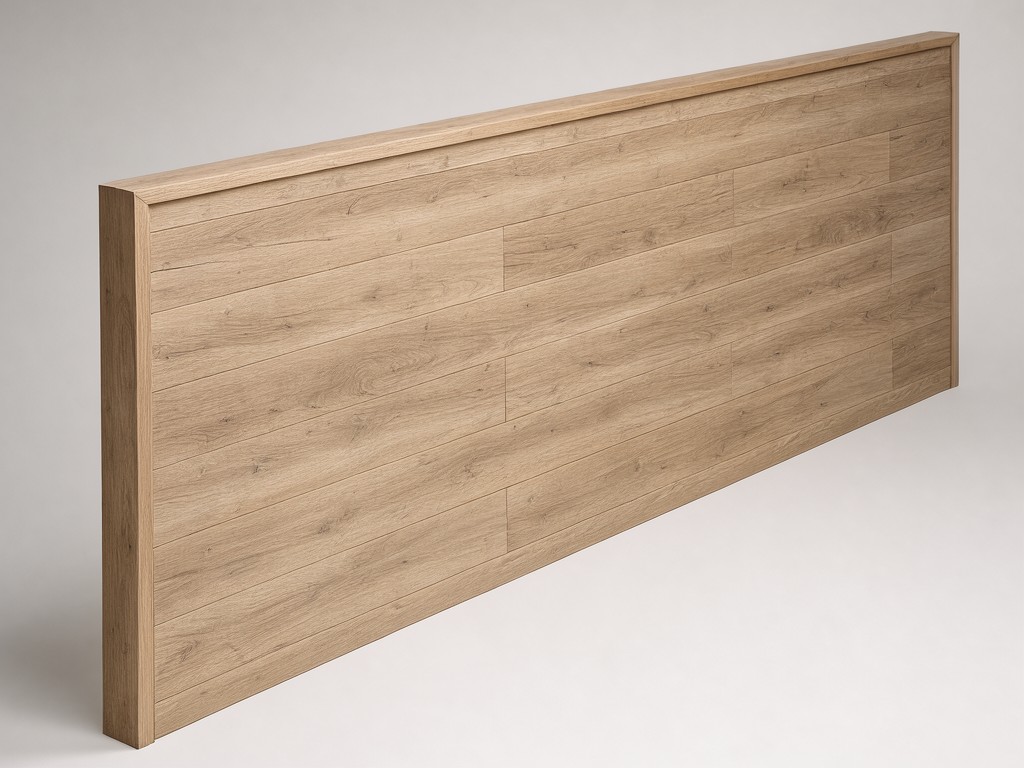
We produce bedroom half-wall paneling as CNC-cut engineered-wood panels with veneer or coated surfaces. Panel dimensions and finish options can be matched to an existing private-label range without changing its layout concept.
Specification Range and Customisation Limits
Room measurements and installation details set the workable range. The figures below are planning ranges; the confirmed drawing and approved sample govern the production order.
Panel format
Common half-wall heights fall around 600–1200 mm. Widths and joint layouts are set to the project drawing.
Core thickness
A 9–18 mm engineered-wood core is typical. Wall condition and fixing method determine the suitable thickness.
Surface and edge
Choose wood veneer or a coated face, with a specified edge band, sealed edge, or exposed profile.
| Parameter | Typical planning range | Order note |
|---|---|---|
| Panel height and width | 600–1200 mm high; width by drawing | Confirm wall length, corner returns, and outlet cut-outs. |
| Core and thickness | Engineered wood; 9–18 mm | Board grade and adhesive specification affect cost and panel weight. |
| Weight | Confirm by approved build and finished dimensions | Core density, face layer, and profile change the shipped weight. |
| Surface finish | Veneer or coated face; matte or specified sheen | Approve colour and sheen on a production-representative sample. |
Consistency rule: one approved reference sample should define colour, sheen, edge treatment, and panel dimensions. Natural veneer variation remains visible; specify an acceptable range rather than expecting identical grain on every panel.
How to Choose Before Requesting a Quote
Cleaning frequency and contact points should guide the finish specification. A bedroom wall above a bed sees less impact than a panel behind a bench, where bags, furniture, and routine wiping can mark the face.
Veneer face
Choose veneer when visible grain is part of the retail specification. The buyer accepts natural grain differences and should approve a sample range. Specify a wipe-clean finish and sealed edges where damp cloth cleaning is expected.
Coated face
Choose a coated face when repeat colour matching and routine surface wiping matter more than visible wood grain. Confirm the coating appearance, edge coverage, and permitted cleaning method before the order is released.
For an eco-focused range, define the requested board source, recycled-content preference if applicable, and adhesive or coating requirements in the specification. Any environmental claim on retail packaging should match the supplier documentation available for the selected materials.
Buying Mistakes That Lead to Returns
Most quality disputes start with a consistency gap or an installation assumption that never reached the factory drawing. These checks reduce avoidable rework:
- Ordering to nominal room dimensions without allowing for skirting, corners, door trim, or uneven walls can leave visible gaps.
- A face finish that tolerates light dusting may show scuffs after repeated abrasive wiping. State the intended cleaning routine and avoid unapproved solvents or scouring pads.
- Unsealed cut edges can absorb moisture from damp cleaning and swell. Confirm edge sealing on exposed boundaries and around cut-outs.
- Direct sunlight can shift the appearance of wood veneer over time. Keep panels away from strong, uneven exposure where colour uniformity across a wall is required.
- A photo approval alone may hide sheen and grain differences. Use a physical sample for colour-sensitive private-label orders.
What Can Be Customised and What Cannot
Private-label matching works best when the fixed reference is clear. Panel dimensions, profile, finish, edge treatment, cut-outs, and carton labelling can be set against an approved drawing and sample.
Wood grain and shade vary naturally between veneer lots, and board properties depend on the selected core. Those characteristics cannot be made identical through machining. For closer visual matching, approve the production material and retain a reference sample for reorder comparison.
Changes to panel geometry or tooling after sample approval can affect lead time and unit cost. Send the current drawing, target quantity, finish reference, and installation method together so the quote reflects the actual build rather than a provisional size.
Who Uses It and Where It Matters
Retail buyers and distributors use the specification to keep a bedroom range consistent across store replenishment. Interior fit-out contractors need panels that arrive in room-ready sizes and maintain a clean joint line on walls that may not be perfectly flat.
| Use level | Typical setting | Specification emphasis |
|---|---|---|
| Residential bedroom | Light contact and periodic dusting or damp-cloth cleaning | Comfortable touch, consistent sheen, and clean edge finish |
| Guest room or rental bedroom | More frequent turnover cleaning and contact from luggage or furniture | Wipe-clean finish, protected edges, and carton protection against transit scuffs |
| Retail display or staged interior | Strong lighting with close visual inspection of colour and joint alignment | Sample-controlled colour, repeatable dimensions, and coordinated batch labelling |
What Gets Checked Before Shipment
Before packing, production checks compare panel dimensions, thickness, squareness, profile details, and cut-outs with the approved drawing. Surface review covers visible scratches, edge chips, coating or veneer defects, and colour or sheen against the retained reference sample.
A fit check on selected panels helps catch joint or alignment issues before a full order ships. Finish samples can also be wiped with the agreed cleaning method for a basic appearance check; this does not replace the buyer’s own product-care validation for its intended market.
For reorder control, record the panel drawing revision, material batch, finish reference, and inspection outcome against each production lot. This makes a shade or dimension query traceable to the actual order.
Export Packaging and Handling Protection
Long panels are vulnerable to corner damage, face abrasion, and movement inside a carton during export handling. The packing plan should match the panel size, order quantity, and route rather than rely on a single generic carton format.
- Separate finished faces with suitable protective sheets to limit rubbing during transit.
- Add corner and edge protection where exposed profiles or cut edges could strike the carton.
- Keep panels restrained within the pack so they cannot slide under vibration or repeated handling.
- Use clear carton marks for SKU, quantity, orientation, and batch reference when required by the buyer.
- Store cartons dry and flat before installation; prolonged damp exposure can affect engineered-wood panels and finished edges.
Request a Specification Review
Send your panel drawing, target order quantity, finish reference, and private-label packing requirements. We can review dimensions, core and finish choices, and the sample-approval points before quotation.
Submit your specification for review