durable bedroom headboard protective wall panel suppliers: What Buyers Should Check Before Ordering
Repeat loading drives the failure: pillows, bed frames and occupants push against the same wall area, while cleaning and room turnover add surface wear. A thick panel alone does not prevent loose upholstery, crushed foam or a weak fixing point. Match the construction to the expected contact and installation method, then hold those details constant across repeat orders.
What Actually Determines Performance
A bedroom wall panel works as a protective layer between the wall and routine contact. Performance depends on the combined behaviour of the face material, foam or padding, substrate, edge finish and fixing method. If one layer moves or separates under repeated pressure, the panel can look worn or sit unevenly even when the face fabric remains intact.
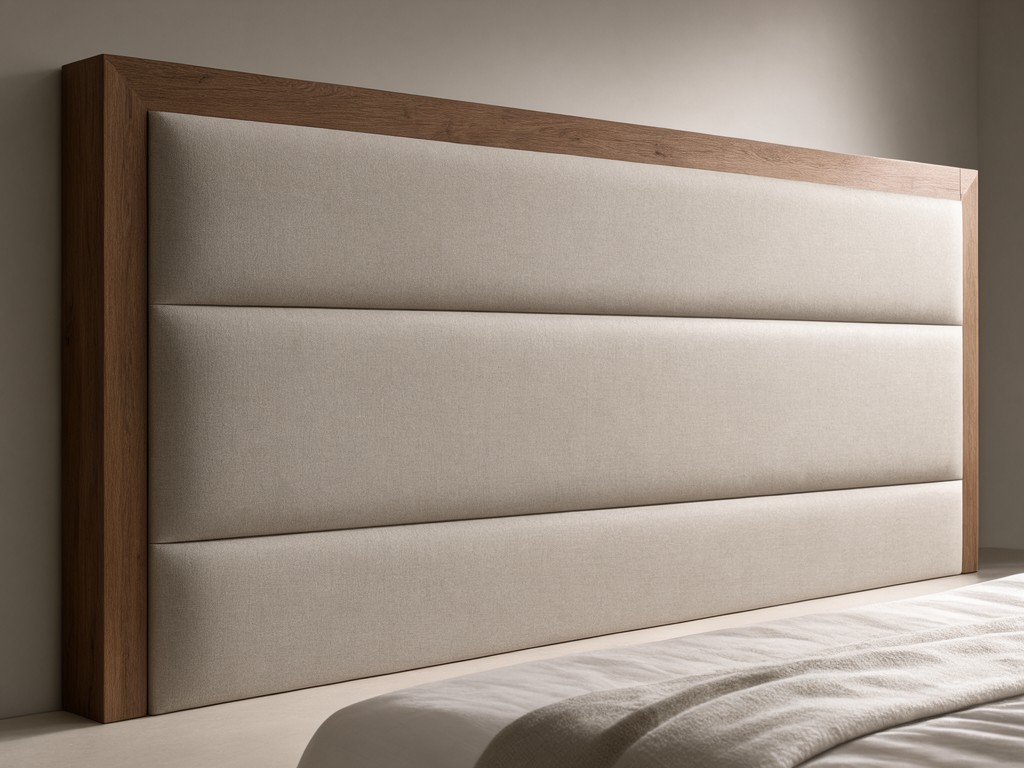
Upholstered panels add cushioning and can conceal minor wall irregularities, but they need controlled foam thickness, secure fabric tension and durable seams. A hard-faced or laminated panel gives a firmer surface and simpler wipe-down, though edge impact can expose the substrate. Choose for the cleaning routine and contact pattern first; use appearance and cost to refine the specification.
Specification rule: approve a complete panel assembly, not a fabric swatch alone. Record substrate, padding, cover material, seam or edge construction, finished dimensions and mounting details on the approved sample.
Size, Weight and Specification Range
Panel width, height and thickness are normally set around the bed size, desired wall coverage and selected mounting system. Weight rises with a thicker substrate or denser padding; added stiffness can help a large panel stay flat, but increases handling and fixing demands. Treat the following as construction comparisons for quote development, not universal performance ratings.
| Construction choice | What it suits | Buyer trade-off to check | Specification to lock |
|---|---|---|---|
| Padded substrate with fabric or coated cover | Bedrooms where users lean against the headboard area and a softer contact surface is preferred. | More cushioning adds material and upholstery steps; loose cover tension or weak seam construction can show as wrinkles or opening edges. | Face material, padding type and thickness, seam layout, edge wrap and finished panel depth. |
| Rigid substrate with decorative laminate or wrapped surface | Installations that prioritize a defined profile and a wipe-clean face over cushioning. | A firmer panel may weigh more as dimensions or substrate thickness increase; exposed corners and edges need protection in use and transit. | Substrate type and thickness, surface finish, edge treatment, fixing points and allowable finished dimensions. |
For a multi-panel layout, specify both each panel’s finished size and the assembled coverage, including gaps and edge returns. Weight should be checked on the approved construction at the quoted size; a change in substrate or padding can alter both freight class and installation requirements.
How to Choose Before Requesting a Quote
Use a decision sequence so the supplier prices a defined build rather than a broad product description. Each choice affects material consumption, work content, tooling and repeat-order consistency.
- Start with the contact condition. If users regularly lean against the panel, specify a padded upholstered build; if the main requirement is a wipe-clean barrier, assess a rigid faced option.
- For upholstered panels, set the cover material, padding thickness and seam positions together.
- For rigid panels, agree the substrate, face finish and edge protection as one assembly.
- Confirm room and bed dimensions. Provide a dimensioned drawing or full-size sample, and state whether panels install individually or as a joined set.
- Choose the mounting approach before finalizing panel weight. Wall type, fixing position and access for installation determine whether the proposed attachment is suitable.
- Set order volume and forecast together. A repeatable standard size can reduce setup effort per unit; one-off sizes, multiple cover colours or frequent artwork changes add changeover work and may extend scheduling.
- Request a quote against an approved bill of materials, drawing, finish sample and packaging configuration. Ask the supplier to identify any tooling or setup charge separately from the unit price.
Standardized Repeat Build
Repeat dimensions, one approved cover and stable order quantities reduce repeated setup and simplify matching across batches. This route suits a retail assortment with planned replenishment.
Custom Size or Finish
Custom profiles, colourways or branding can fit a specific range, but add sampling, artwork approval and production changeovers. Combine variants in a forecast where possible to avoid repeated small runs.
Buying Mistakes That Lead to Returns
Returns often trace back to details left open at order approval. A fabric description without a defined backing, foam specification or seam layout gives the factory room to substitute construction details that change the panel’s feel and service behaviour.
- Approving a colour swatch but not a finished sample can leave differences in sheen, texture, seam placement or edge profile unnoticed until delivery.
- Changing substrate thickness without rechecking total weight can make the agreed fixing plan unsuitable or raise installation complaints.
- Quoting from nominal dimensions instead of finished dimensions can create visible gaps or overlap across a multi-panel headboard arrangement.
- Comparing unit prices while excluding packaging, setup charges and variant changeovers can distort landed-cost comparisons.
- A care instruction that does not suit the cover material can lead to staining, surface wear or avoidable warranty requests.
Keep a signed sample and revision-controlled specification for repeat orders. If a component changes, compare the revised panel against the approved reference before releasing the full production quantity.
Inspection Items and Test Methods
Inspection should follow the failure modes of the chosen construction. Agree the sample quantity, acceptance limits and reference sample before production; do not treat a visual check as proof of seam strength, adhesion or fixing suitability.
Practical inspection sequence: check finished dimensions, squareness, overall weight and surface appearance first. Then review seam closure, edge wrap, cover tension, adhesive bond where used, and the position and condition of mounting hardware against the approved sample.
A controlled rub or abrasion check can compare face wear between a production sample and the reference material. A seam pull or bond-peel assessment can expose weak construction points on upholstered builds. For mounting, check the panel and specified attachment as an assembly; actual holding performance depends on the wall substrate and installation method, so avoid assigning a universal load value without a defined test setup.
Capacity, Tooling and Scheduling
Unit cost depends on material yield, assembly time, setup and order quantity. A standard rectangular panel may need little dedicated tooling, while a custom profile, repeated cut pattern or branded component can require templates, cutting fixtures or artwork preparation. Those setup costs are spread across the order, so a larger committed run can lower the tooling or setup share per unit.
Volume does not automatically shorten lead time. Large orders may need staged cutting, upholstery or packing capacity; multiple sizes and colours can add changeovers even when total units are high. Ask suppliers to quote sample approval, material procurement, production and dispatch timing as separate milestones, and confirm how forecast releases affect material reservation.
For repeat supply, compare the factory’s ability to retain approved materials and process settings with the proposed price break. A low initial quote has limited value if each reorder requires fresh sampling or a substitute finish. Include tolerance, approved alternatives and change-control expectations in the purchase specification.
Export Packaging and Handling Protection
Large flat panels are vulnerable to corner impact, surface scuffing and pressure marks during handling. Packaging should separate finished faces, protect edges and prevent movement inside the carton; upholstered surfaces also need a clean barrier against dust and transfer from adjacent materials.
Confirm carton dimensions, panel count per pack, gross weight, orientation marks and any retailer labelling before the packing sample is approved. Flat-packed components can reduce freight volume, but only if the buyer’s assembly method and included hardware are clear. Ask for a pack-out sample when panel size or finish makes transit damage costly to replace.
For an artwork-and-branding review, send the logo files, print or label position, colour references and packaging artwork with the panel drawing. Contact the supplier team to check artwork, sample requirements and the costing effect of branded packaging before order release.
Prepare a Quote Package That Holds on Reorder
Include target dimensions, preferred construction, order quantity by variant, mounting details, finish references and export-pack requirements. Request a specification and branding review before sampling so tooling, unit-cost breaks and production timing can be assessed against one approved brief.