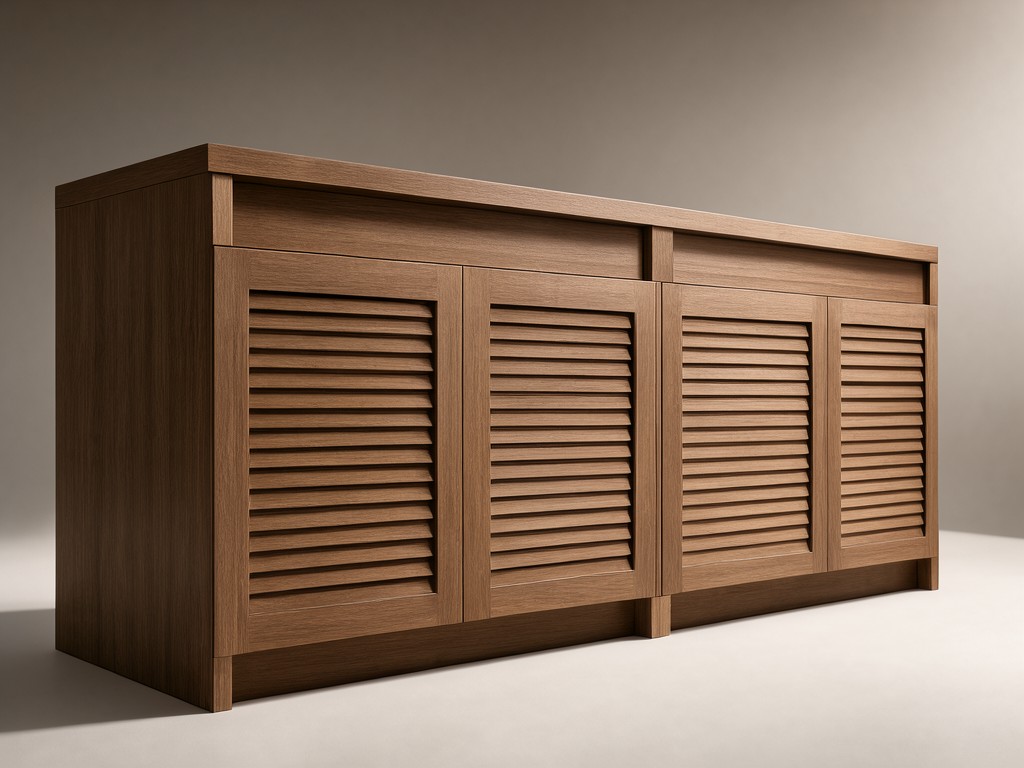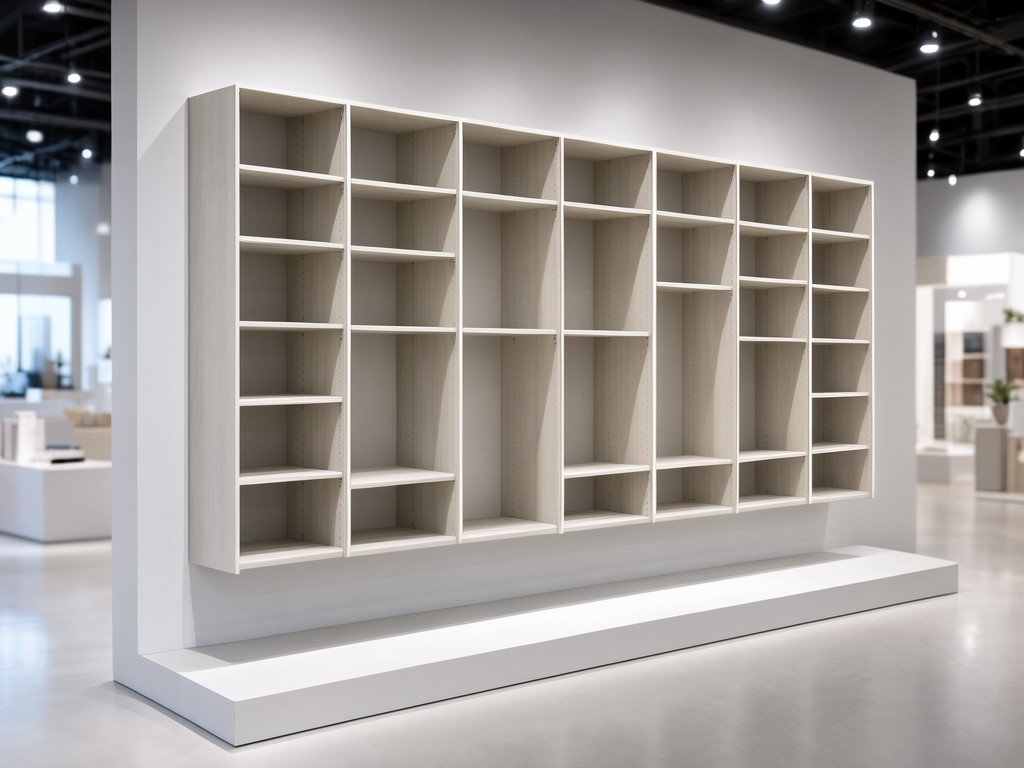
direct factory floor to ceiling tv storage wall unit price list - Bulk Supply and Specification Guide
The Problem Buyers Keep Paying For
Fatigue appears at the stress concentration: around wide TV openings, shelf-pin holes, long unsupported spans, and joints that carry the weight of stored goods. A wall unit can match the approved drawing at first inspection yet develop sag, loose fittings, or chipped edges after repeated loading and installation. For OEM and wholesale buyers, those defects mean replacements, site visits, and warranty claims that can outweigh a small saving on the unit price.
A factory price list is only comparable when the quoted construction is held constant. Overall dimensions, board thickness, back-panel attachment, finish, hardware, packaging, and assembly level all affect cost. Without those details, a low price may refer to a different product rather than a better-priced match for the private-label specification.
What the Design Has to Balance
Lower Mass, Lower Cost
Particleboard with a melamine surface can control material cost and provide a consistent colour across repeat runs. Long shelves and wide spans still need suitable thickness, supports, and a clear load specification; a lighter build is not a direct substitute for a structural check.
More Stiffness, More Material
Thicker panels, added dividers, or a plywood option can improve stiffness where the opening or shelf span calls for it. These choices add board cost and shipping weight, so apply them to the load-bearing areas rather than upgrading every panel by default.
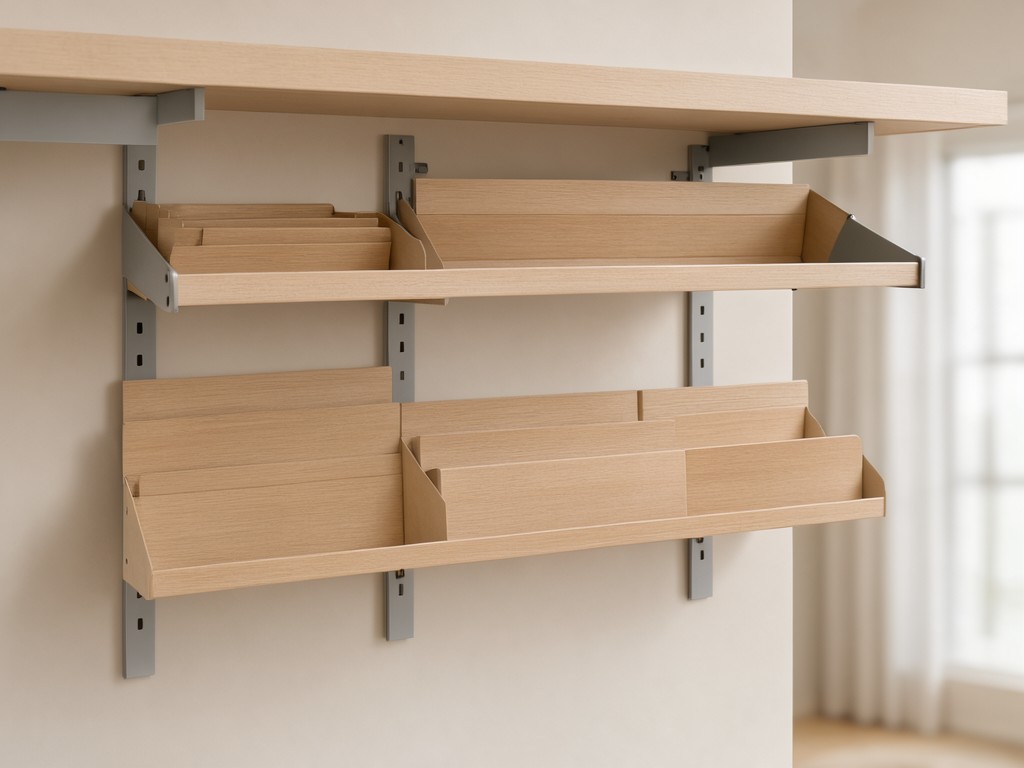
Wall attachment is a separate design condition. The unit’s back panel and fixing points must suit the intended installation method, while the fixing hardware must suit the wall structure at the destination. Do not treat a floor-to-ceiling appearance as proof that the ceiling or wall carries the cabinet load.
How It Is Built and What That Changes
The limiting factor is rarely the headline specification. Panel thickness alone does not prevent shelf deflection or joint movement. Span, support placement, connector position, and the way the back panel braces the carcass all affect how the assembled unit behaves.
For a typical panel-furniture process, the factory cuts board to size, applies edge banding to exposed edges, drills connector and shelf-pin holes, then assembles or packs the components according to the order. CNC machining supports repeatable hole placement; approved drawings and fixed machining references help keep that placement consistent across batches.
Edge band thickness, adhesive application, corner finishing, and cutout dimensions matter to the finished appearance and fit. Melamine-faced board suits many flat-colour programs; veneer or a custom laminate may better match a branded finish, but adds material and colour-control requirements. Confirm the approved surface sample before production rather than relying on a colour name alone.
Requirements by Buyer Segment
OEM Buyer
Match the approved drawing, board grade, finish sample, fitting set, and carton artwork. Freeze revision details before the order so later batches do not drift in hole positions or visible colour.
Wholesale Buyer
Prioritise carton protection, clear part identification, and a repeatable hardware pack. Flat-pack supply can reduce freight volume, but assembly instructions and labelled fittings need to match the actual configuration.
Private-Label Program
Keep the product design unchanged where possible and customise the finish, label, instruction sheet, or packaging. This limits redesign work, while artwork approval and packaging checks remain part of the order schedule.
For a price list that supports like-for-like purchasing, send the factory the finished dimensions, panel and finish specification, required hardware, packaging format, and order quantity. Ask for options to appear as separate line items so a finish upgrade or packing change does not obscure the base unit cost.
Quality Control and Batch Consistency
| Area to Check | Common Failure Pattern | Practical Control |
|---|---|---|
| Panel dimensions and squareness | Assembly gaps, misaligned doors, or a cabinet that sits out of square. | Check cut dimensions and assembled geometry against the approved drawing at defined inspection points. |
| Edge banding and surface finish | Lifting edges, chipped corners, visible glue marks, or shade variation between panels. | Inspect edge adhesion, corners, and surface against the signed finish sample; retain a reference for repeat orders. |
| Drill pattern and hardware fit | Connectors bind, shelf pins sit unevenly, or installers need to force panels together. | Use a first-off fit check and verify hole locations with the production drawing and matching hardware. |
| Shelf span and load behaviour | Visible deflection or loosened joints under the specified storage load. | Agree the intended load and support layout, then check a representative assembled unit under that condition. |
A practical batch record links the approved drawing revision, finish reference, inspection findings, and carton identification to the production lot. That record gives both buyer and factory a clear basis for sorting a reported defect from a specification change.
Keeping Repeat Orders Supplied
- Keep the approved panel schedule, finish reference, hardware list, and artwork revision together under one product code.
- Confirm whether repeat orders use the same board source and finish batch. Where colour matching is important, define the acceptable reference and approval method before dispatch.
- Set reorder quantities against production capacity and material availability rather than relying on an assumed stock position. Large, colour-matched panels may need production allocation.
- Review carton dimensions and protective packing if damage reports cluster at corners, glass-related components, or projecting edges. The packing format affects freight cost as well as replacement exposure.
A repeat-order quote should separate any change in quantity, material, packaging, or finish from the unchanged product specification. That makes unit-price movement easier to explain and helps protect the approved private-label version from unrequested substitutions.
Ordering, Tooling and Lead-Time Questions
Can the factory match an existing unit without redesigning it?
Usually, if the buyer can provide dimensioned drawings, panel details, finish references, hardware information, and clear photos or a physical sample where needed. The factory should compare the supplied specification with its production process and identify any dimensions or fittings that need confirmation before pricing.
What information makes a factory price list useful?
Request a base price against a fixed configuration, then list alternatives such as board grade, surface finish, hardware, assembly level, and carton format separately. Include order quantity and destination or shipping terms when requesting a delivered-cost comparison; unit price alone does not cover freight or import charges.
Does a repeat order need new tooling?
Panel furniture made with standard cutting and drilling equipment often avoids product-specific mould tooling. A new profile, unusual machining feature, or custom component may require a separate setup or tooling charge. Ask the factory to identify that cost distinctly from the recurring unit price.
What sets the production lead time?
Material availability, finish approval, artwork sign-off, order quantity, and whether the order needs a first-off sample all affect the schedule. Confirm the production slot after those items are agreed, and have the factory state the point at which the lead-time clock begins.
Request a Specification Review
Send your drawing, target quantity, finish reference, and packaging requirement for a like-for-like review. A factory quote can then separate the base unit from optional materials, hardware, packing, and any setup cost. Contact the factory team to review your specification.