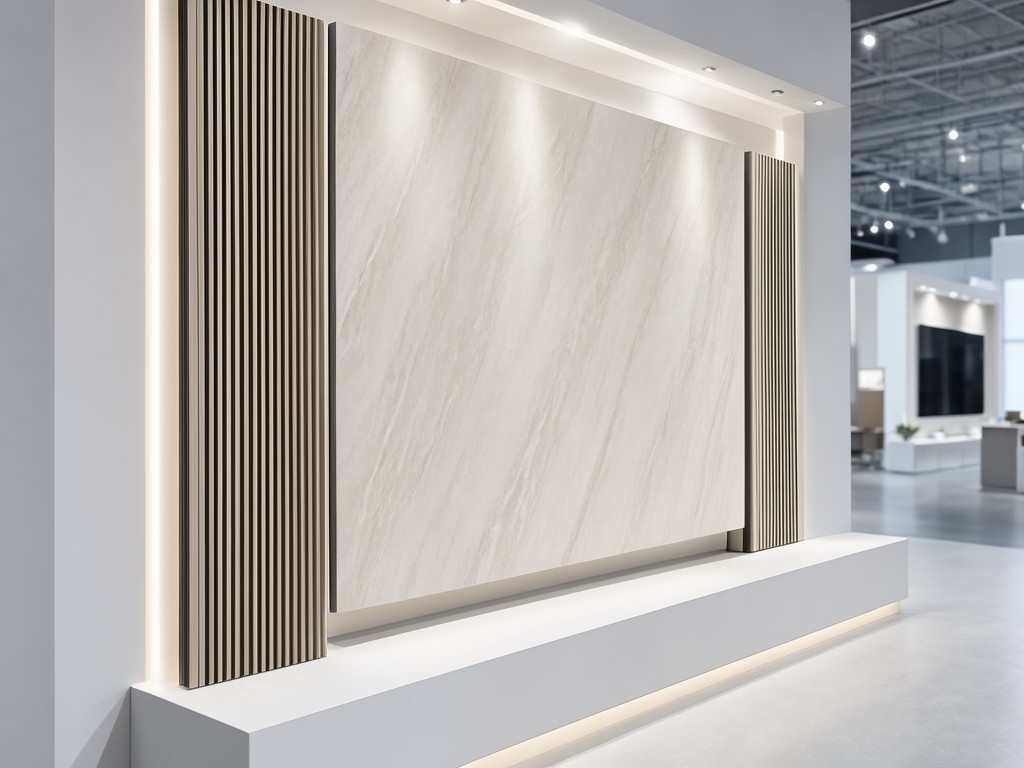
customized veneer tv feature wall panels china supplier: Specification, Ordering and Quality Notes
Repeated TV bracket removal can loosen fixings and damage a decorative panel if the bracket load is transferred through the veneer assembly. Specify anchors into the structural wall or a load-rated subframe, then treat the panels as the finished surface around that support. For an importer qualifying a second source, the key decision is whether the supplier can repeat the approved veneer, substrate, machining and finish—not simply match a sample by eye.
Panel thickness and substrate choice affect stiffness, weight, machining behaviour and freight cost. Lock the installation method and service-access details before requesting a price; a panel set with removable sections or a planned cable route may cost more to machine, but can prevent costly wall repairs after installation.
Material Options and Their Trade-offs
Natural wood veneer gives each panel a grain pattern that cannot be repeated exactly. Book-matching or sequence-matching can create a planned visual run, but it needs veneer selection and panel numbering before pressing. Reconstituted veneer offers more repeatable colour and grain across a larger order; it suits projects where replacement panels must sit beside the original installation with less visible variation.
- MDF is a practical substrate for flat, routed interior panels where a smooth face and consistent machining matter. Confirm panel thickness, edge treatment and the fixing method with the installer.
- Plywood can reduce panel weight at a given thickness and may suit large sections or handling requirements, but its face and edge construction need approval before veneer application.
- A thin veneer face, commonly around 0.3–0.6 mm by specification, limits sanding allowance. Select the finish and cleaning method together; aggressive sanding or harsh cleaners can expose or mark the veneer.
For a second-source approval, compare a finished panel and its cross-section. A veneer colour match alone does not verify substrate thickness, adhesive bond, edge build or the cured surface coating.
Comparing Two Standard Configurations
These configurations are starting points for costing, not fixed catalogue specifications. Confirm finished dimensions, support spacing and cable access against the project drawings before approving production.
Flat Veneer Panels
A flat face with a routed perimeter or discreet joint is generally simpler to press, finish and pack. It suits installations with a separate mounting structure and straightforward cable routing. Repeated sizes and a stable finish specification help reduce setup changes as order volume rises.
Grooved or Slatted Panels
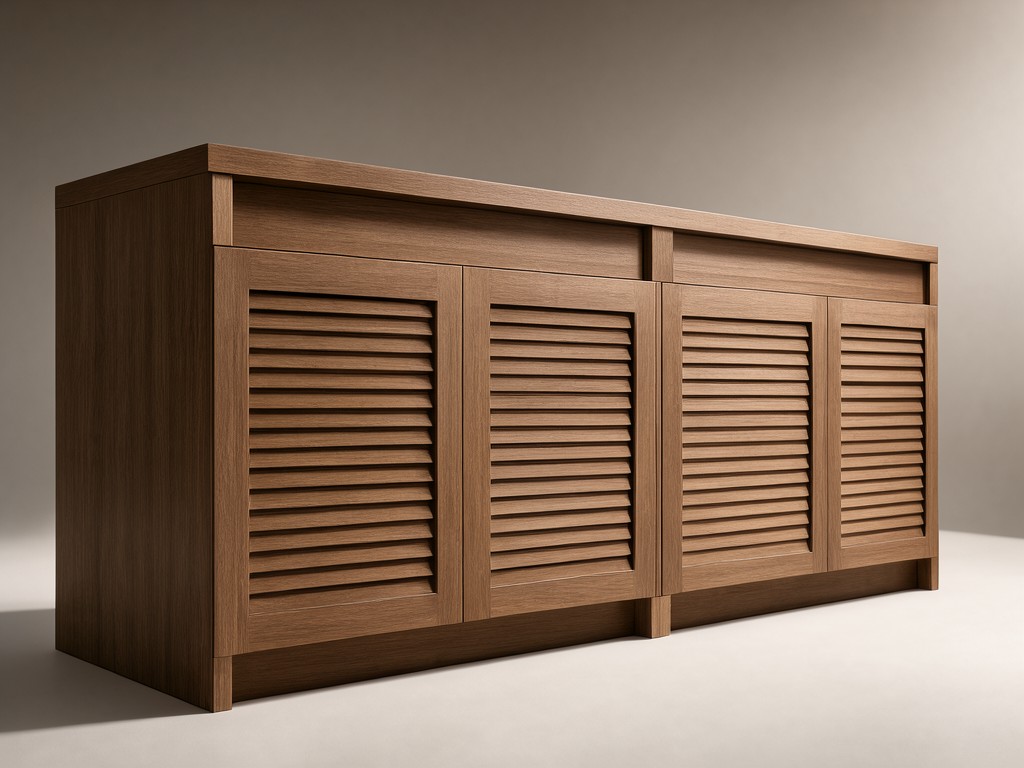
Grooves, slats and shaped edges add CNC time, tool wear and finishing steps. They can conceal joints or support a defined visual rhythm, but deep profiles narrow the usable veneer area and make edge coating more demanding. Higher repeat volumes spread programming and fixture costs across more units; custom one-off profiles usually carry a higher unit cost and may extend the production schedule.
A supplier quotation should separate one-time setup or fixture charges from the panel price. That makes it easier to compare a trial order with a forecast volume and to judge whether a repeat order will retain the same dimensions, grain sequence and finish route.
Assumptions Buyers Should Stop Making
A veneer face does not make a panel suitable for carrying a TV or bracket load. Moisture movement, poor edge sealing and unsupported spans can also cause panels to bow or joints to open after installation. Use the specification below to discuss foreseeable complaints with the supplier before samples are approved.
| Installation / Service Condition | Complaint Seen on Site | Specification to Lock |
|---|---|---|
| Bracket installation or later TV replacement | Fixings pull through the panel or leave crushed veneer around the holes | Show the structural fixing path on the drawing; specify panel cut-outs and clearance without assigning bracket loads to the decorative panel |
| Interior with seasonal humidity changes | Panel bow, open joints or veneer lift at an edge | Agree substrate type, panel thickness, acclimation and edge-sealing details for the installation environment |
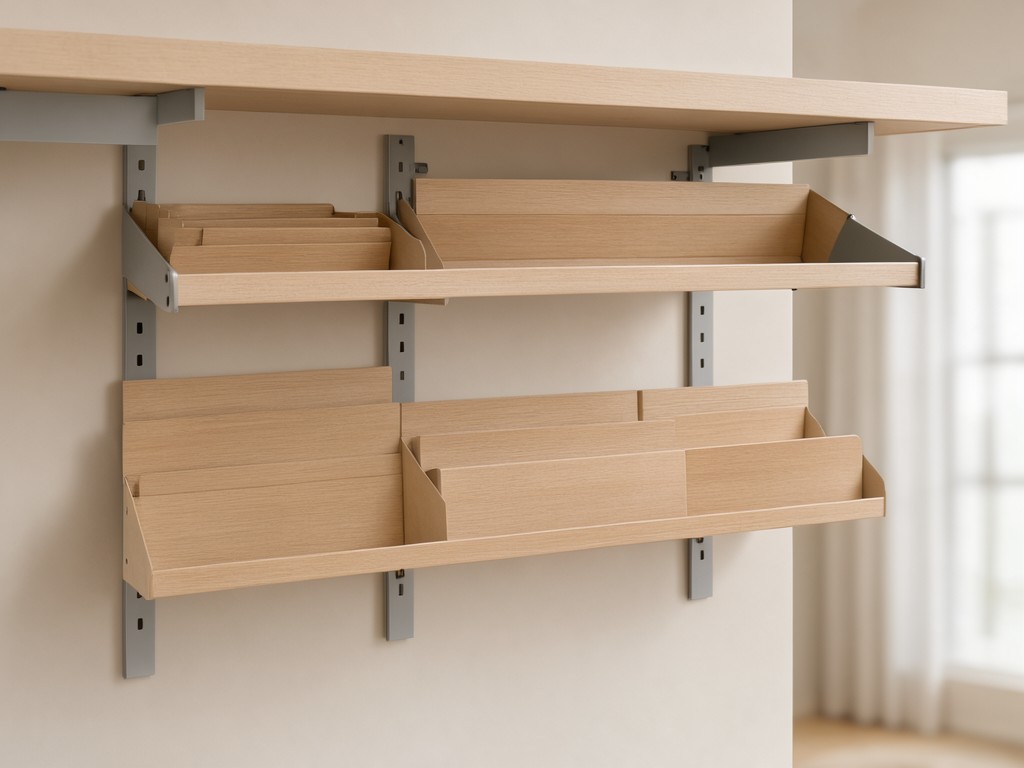
| Routine cable or equipment access behind the finish | Panels crack or finish chips during removal and refitting | Define removable sections, access openings, fixing positions and a serviceable edge detail before machining |
What Can Be Customised and What Cannot
Panel dimensions, veneer species or pattern, finish sheen, groove layout, edge profile, cable openings and panel numbering can usually be specified for an OEM order. Send dimensioned drawings and a finish reference; photos alone do not define colour under different lighting or establish a machining tolerance.
Natural veneer varies in grain, figure and tone, so a reorder cannot promise a visually identical face unless the approved process includes reserved veneer and controlled sequence selection. CNC routing can reproduce a defined profile after the drawing and tooling path are approved, but it cannot correct an unsuitable wall substrate or replace structural support behind the TV.
Lock the approved sample, drawing revision, veneer matching approach and finish before the production run. Changes after CNC programming or veneer allocation can add setup cost, consume material and shift the confirmed lead time.
How Consistency Is Held Across Batches
Batch consistency starts with controlled inputs: recorded substrate thickness, veneer selection, adhesive and finish specification, plus an approved reference panel. The factory can check dimensions, squareness, routed features, surface appearance and edge coverage at defined production stages. A written acceptance range for colour and grain is particularly important with natural veneer, where exact visual duplication is not a realistic promise.
For a second source, request a sample from the intended production route rather than a hand-finished display piece. Ask how panels are identified by batch and drawing revision, how defects are segregated, and whether retained samples or production records can support a later replacement order. Export packing should protect corners and finished faces from abrasion; oversized sets may need packing plans that keep installation sequence and panel labels visible.
Order volume changes the economics. A stable repeat specification allows CNC setup and approved finish matching to be spread over more panels; frequent design changes interrupt that advantage and can reset material preparation. Confirm the MOQ, sample approval point, production lead-time basis and packaging arrangement in the purchase specification instead of treating them as fixed across every configuration.
Questions Buyers Ask Before Ordering
Can the panel carry the TV bracket?
Do not assume that it can. The bracket should transfer load to the structural wall or an engineered subframe. Share the fixing layout so the factory can position panel joints, cut-outs and access openings around that support.
What should an OEM sample include?
Approve a representative panel with the intended substrate, veneer, edge treatment, machining and finish. For natural veneer, document acceptable grain and colour variation and identify the approved face as the visual reference.
How do tooling charges and MOQ affect the quote?
Custom grooves, shaped edges and dedicated fixtures add setup cost. A larger repeat order can spread those charges across more units, while a small mixed design run may carry a higher panel price and longer scheduling allowance. Ask for setup charges, MOQ and lead time as separate quotation lines.
Which files are needed to start production?
Provide dimensioned drawings with panel IDs, finished thickness, edge details, groove and cut-out positions, plus a veneer or finish reference. Mark tolerances and indicate which dimensions control installation fit.
Request a Production-Route Sample
To assess a second source, send the panel drawing, target order volume, veneer preference and installation details. A sample request can establish the finish reference and expose machining or service-access issues before the bulk order.