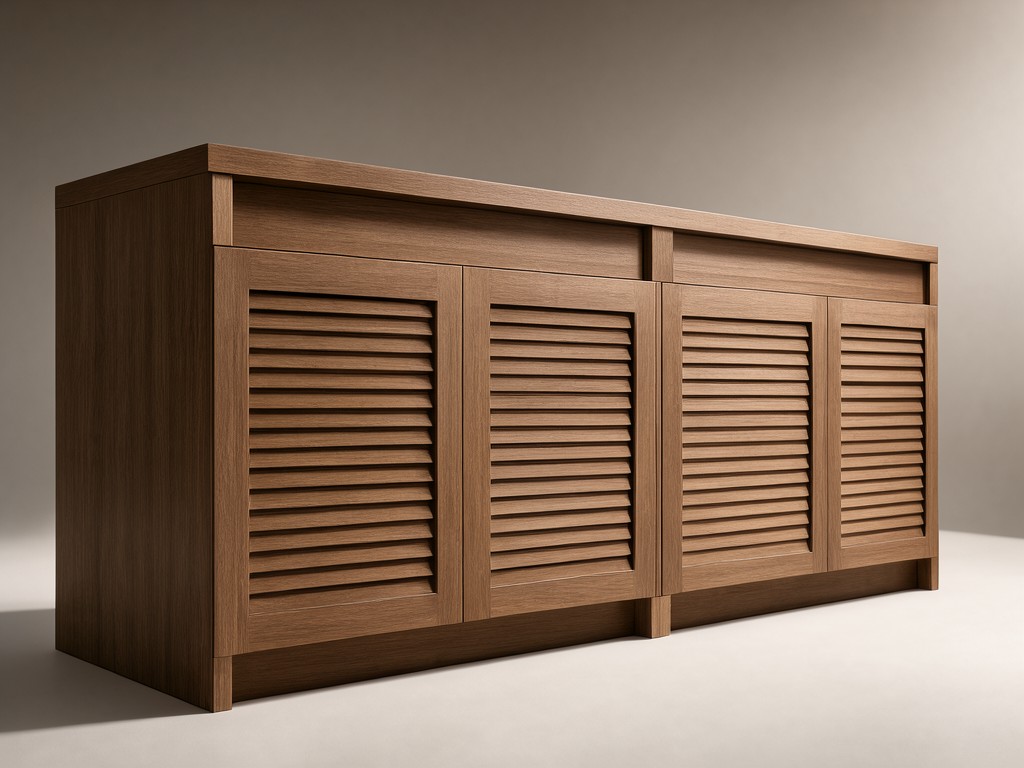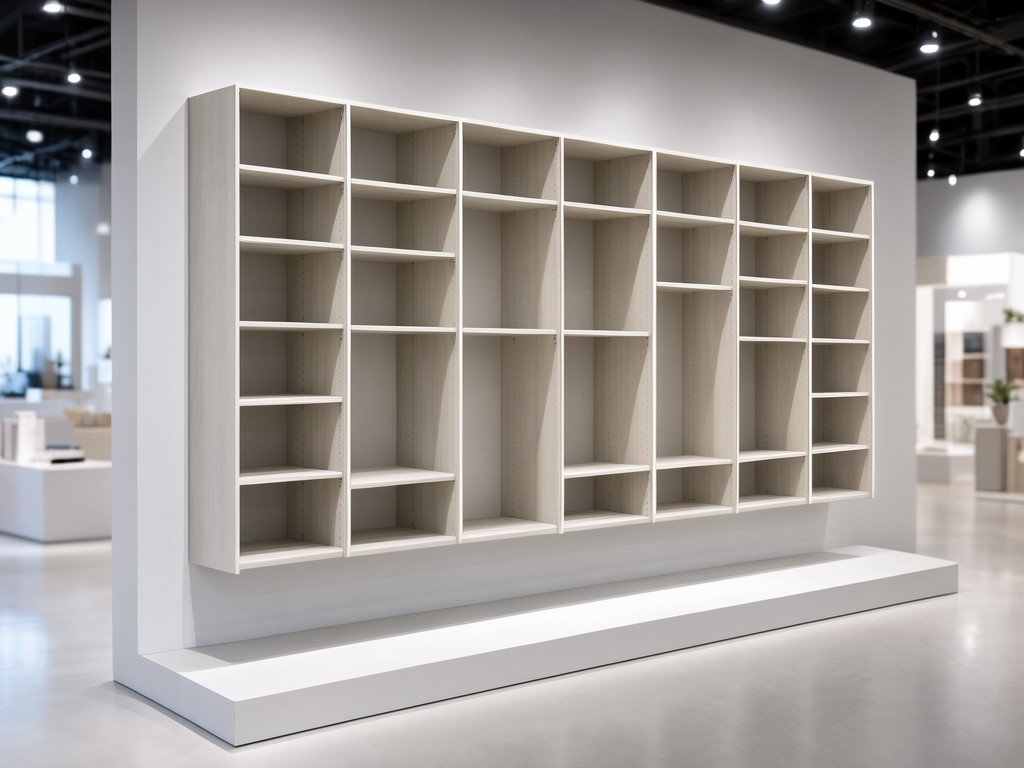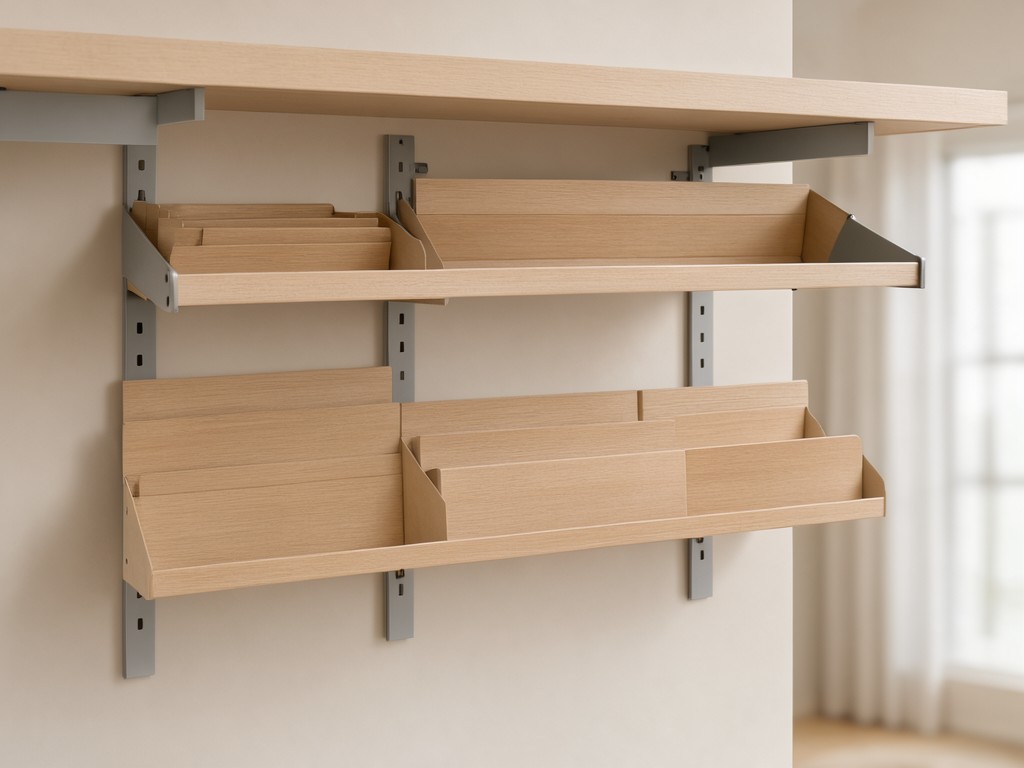
custom storage tv background wall panel suppliers - Bulk Supply and Specification Guide
Total cost of ownership shifts once returns are counted. A storage TV background wall panel that arrives with chipped edges, mismatched finishes or poorly aligned openings can turn a low unit price into replacement freight and installation complaints.
For OEM and wholesale orders, agree the panel build, finish and packing method before repeat production. Those choices shape both the customer’s touch-point experience and the number of parts that need rework after delivery.
What This Product Is and Where It Fits
| Panel format | Typical size range | Typical thickness | Indicative board weight |
|---|---|---|---|
| Decorative back panel | 600–2400 mm high; 300–1200 mm wide | 9–18 mm | About 6–14 kg/m², depending on board type and thickness |
| Storage cabinet or shelf panel | 300–2400 mm long; depth set by the cabinet design | 16–25 mm | About 8–19 kg/m², depending on core and thickness |
These panels form the visible TV-wall surface and may integrate shelves, closed storage, cable passages or equipment openings. They are furniture components, not a substitute for a separately designed TV mounting structure.
Listed dimensions and weights are planning ranges rather than fixed catalogue sizes. Board density, routed features and applied finishes change the shipped weight, so confirm the full assembly drawing before freight costing.
Construction Method and Its Effect on Consistency
CNC-routed sheet panels suit repeat orders with defined dimensions, cut-outs and edge details. A controlled cutting file keeps openings and joinery positions repeatable; unclear drawing revisions are a common cause of misaligned shelves and cable ports between production lots.
After cutting, exposed edges can be sealed with edge banding, while broad faces may use melamine laminate, decorative film, veneer or a coated finish. Thin or poorly bonded edge treatment tends to show first at corners and around frequently handled doors. Specify edge thickness, colour reference and corner treatment together rather than approving them as separate details.
A cut-out close to an edge leaves less board material to resist knocks during assembly and delivery. Confirm minimum edge distance against the selected core and hardware before freezing the drawing; otherwise, revise the opening or reinforce the panel.
Where This Product Beats Standard Alternatives
Standard flat panels can reduce initial purchase cost, but they often leave the buyer to coordinate extra cutting, edge finishing and storage components. That split responsibility creates more chances for finish mismatch or incorrect openings to reach the installation site.
Custom storage wall panel set
Matched panel sizes, selected finish and planned openings arrive as a coordinated furniture package. This suits importers selling a defined room set, especially where repeat installation complaints concern missing cable access or inconsistent visible surfaces.
Standard stock panels
Stock panels can work for simple layouts with limited size variation. Added local routing or edge work may erase the purchase saving, and a field-cut edge can expose the core or leave a finish that differs from the factory face.
The custom route earns its place when the cost of a returned cabinet, replacement panel or second installation visit exceeds the added cost of coordinated machining and finishing.
Specification Range and Customisation Limits
For wide spans, confirm the support layout and expected shelf load before choosing board thickness. A thinner panel may lower material and freight cost, but visible deflection or loosened fixings can generate complaints after the customer fills the storage compartments.
Core options commonly include particleboard, MDF and plywood. Particleboard can suit price-led indoor furniture; MDF provides a smooth face for many coated finishes; plywood may suit designs that need a different balance of weight and screw-holding behaviour. Exact performance depends on grade, thickness, span and fixing details, so do not compare materials by name alone.
Surface samples should be approved under the lighting conditions used for the intended market. Gloss level, grain direction and colour can look different across finishes, while unsealed edges and damp storage can contribute to swelling or edge lift. State indoor-use conditions and packing expectations in the purchase specification.
Matching the Product to the Buyer's Need
For a value-focused retail set, keep the module sizes standard where possible and reserve custom machining for the cable route, shelf spacing and visible end panels. Fewer unique parts simplify packing and replacement orders.
If the buyer prioritises a smooth hand feel at doors and exposed edges, budget for the selected edge treatment and face finish before setting the target unit price. Complaints often centre on sharp corners, rough routed edges or a finish that feels unlike the approved sample, not just on the board material itself.
Room layouts with large screens or concentrated equipment loads need a separate review of the mounting and support system. The wall panels can conceal services or provide a finished backdrop, but the TV fixing load must be assigned to suitable structural support rather than assumed to transfer through a decorative panel.
What Can Be Customised and What Cannot
Buyers can usually specify overall panel dimensions, shelf positions, visible finishes, edge banding, handle locations and routing for cables or equipment. Branding may be added through approved packaging or selected surface treatments, subject to the finish and artwork process.
- Provide dimensioned drawings that identify the visible face, grain direction, cut-outs, fixing points and edge treatment.
- Approve a physical finish sample before bulk production when colour or surface feel affects the retail presentation.
- Do not treat a decorative panel as a replacement for structural support, nor assume a routed opening can be moved without checking clearances and remaining edge material.
Some limits come from the board sheet, the selected finish process and the machining setup. Very narrow parts, tight internal corners or repeated design changes may require a revised construction or additional setup work; confirm feasibility before artwork and packaging are final.
Usage Scenarios and Buyer Segments
Furniture importers serving flat-pack retail need parts that fit the approved assembly sequence and tolerate handling through distribution. Clear part identification and protected corners help reduce damage claims before installation.
Private-label brands selling coordinated living-room sets may favour matched finishes across the TV wall, cabinets and shelves. Their repeat-order risk is colour drift or a changed edge detail that makes the new shipment look unlike the first approved lot.
Wholesale buyers supplying rental apartments or multi-unit projects often need straightforward replacement panels and stable dimensions across installations. For those programs, limiting one-off cut-outs and retaining the approved drawing revision can matter more than adding decorative options.
Capacity, Tooling and Scheduling
Tooling amortisation decides whether a special profile or dedicated fixture makes sense at the planned order quantity. Standard CNC routing generally avoids a dedicated cutting die, while complex repeat assembly or a distinctive edge profile may call for setup investment that needs to be spread across forecast volumes.
Scheduling depends on board and finish availability, the number of unique parts, sample approval and packing configuration. A late change to a cable opening or visible finish can affect nesting, production setup and carton dimensions, so freeze the approved drawing before confirming the shipment window.
To reduce repeat-order disputes, send the target quantity, finished dimensions, core preference, face and edge finish, hardware interface, packaging needs and destination market with the inquiry. Request a tooling review against the approved design before committing to a production schedule.