custom size decorative wall panels factory: What Buyers Should Check Before Ordering
The interface between parts determines whether a wall stays orderly after installation or develops visible gaps, raised edges and dirt-catching joints. For OEM buyers qualifying a second source, panel dimensions, edge details and finish adhesion deserve the same review as the decorative face. Custom-size rigid PVC and WPC panels can suit interior fit-outs where repeatable appearance and routine wipe-downs matter; the drawing, substrate and cleaning conditions need to agree before a sample is approved.
Scope of Supply and Physical Form
| Inspection point | Factory check | Buyer concern |
|---|---|---|
| Cut dimensions and squareness | Measure length, width, thickness and diagonals against the approved drawing; record the agreed tolerance by panel size. | Panels that drift from the drawing can open joints or require site trimming. |
| Flatness and edge condition | Check for bow, twist, chips, burrs and damage to the cut edge on sampled panels. | Uneven panels complicate alignment and can expose the substrate at visible edges. |
| Surface and bond | Review the approved color and texture sample; check film edges and face adhesion for lifting, bubbles or scratches. | A finish variation or weak bond becomes more obvious across a large wall run. |
| Batch appearance | Compare panels under consistent lighting with the retained reference sample and record batch identification. | Panels ordered at different times should not create conspicuous shade or texture changes on one project. |
Rigid PVC and WPC decorative panels are supplied as cut-to-size wall cladding, with a selected surface film or textured finish and edge treatment defined by the order. Exact maximum dimensions depend on panel construction and handling; oversized formats may need a different packing method or joint layout. Provide a dimensioned drawing that identifies the finished face, edge orientation, joint arrangement and any cut-outs.
Deflection under load governs whether a panel feels stable after installation. These panels are decorative wall coverings, not a substitute for structural backing or a rated load-bearing board. Confirm the support spacing and fixing method with the project installer, then share those conditions with the factory so panel thickness and format can be reviewed against the intended use.
Usage Scenarios and Buyer Segments
In hotel corridors and serviced apartments, housekeeping teams may wipe the wall repeatedly, so the finish must tolerate the agreed cleaning routine without gloss change, color transfer or edge lift. Retail fixture and interior contractors value consistent color across replacement panels, since a later repair can sit beside panels from the original installation. For gym changing areas, sweat and frequent damp cleaning make finish and joint details worth checking, but the panel should not be specified as a waterproof lining unless the complete assembly has been evaluated for that exposure.
Direct sunlight can fade some printed or decorative films; chlorine-based cleaners can also affect finishes that were never selected for chemical exposure. Ask the project team to name the cleaner, concentration, contact time and cleaning frequency rather than relying on a broad “washable” claim. For public interiors with regular abrasion from bags, carts or equipment, sample review should include the actual texture and wipe method, not just a color chip.
Decorative Film Surface
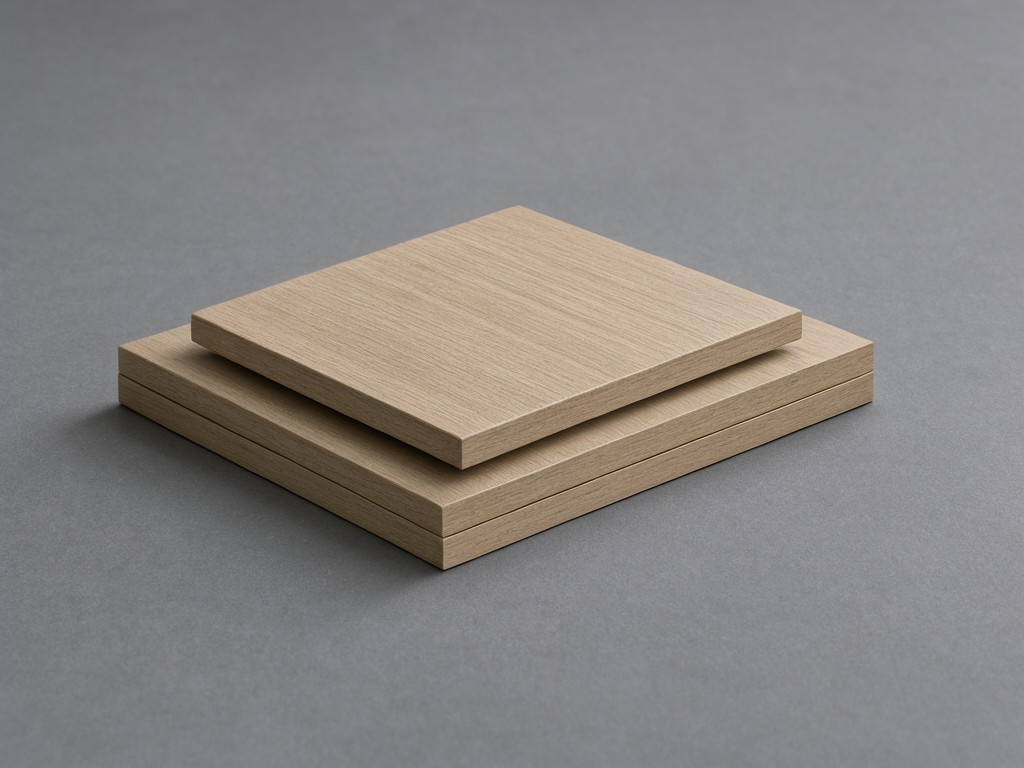
A film face supports printed patterns and repeatable color matching. It is often the practical choice for coordinated interior ranges, but buyers should approve a finished panel sample and confirm cleaning compatibility because surface wear or edge lifting can expose the base layer.
Textured or Co-Extruded Face
A textured or co-extruded surface avoids relying on a separate decorative film at the face and can suit projects that prioritize a molded appearance. Color and texture choices may be narrower, and tooling or minimum-volume requirements can raise the entry cost for a new design.
Second-source qualification is most useful when the same drawing, surface reference and inspection checkpoints can be used at both factories. Keep a signed sample or controlled color reference for approval; monitor any change to substrate formulation, surface supplier or finish specification before it reaches a reorder.
Quality Control and Batch Consistency
Consistency depends on controlling both the panel body and the face finish. A size check alone will not catch a shade shift, a change in gloss or a bond defect that appears after handling. Set acceptance criteria for dimensions, flatness, edge quality and appearance before the first production lot, with the same sampling approach used for repeat orders.
Cleaning and service note: Approve the finish against the buyer’s stated cleaning agent and method. A finish that tolerates a damp cloth may not tolerate abrasive pads, concentrated chlorine cleaner or long chemical contact; record those exclusions in the product care information.
Abrasion and UV exposure should be checked against the destination and installation conditions, not treated as interchangeable claims. For a sunlit wall, agree on a comparative exposure assessment for the selected finish. For high-traffic interiors, inspect samples after the buyer’s representative rub or cleaning procedure and compare the result with an untreated reference. Any test method and pass criteria should be agreed in advance; do not infer a service-life guarantee from a short sample check.
Packing, Marking and Freight Configuration
Transit complaints often start at panel corners and exposed faces: edge chips, pressure marks, scuffing between surfaces or distortion under a poorly supported stack. Agree the pack format around panel dimensions, finish sensitivity and unloading equipment. Face separators, corner protection and a rigid outer pack can add cost and cube, but may prevent damage that makes a large panel unusable on site.
Mark each bundle with item code, dimensions, finish reference, quantity and batch or lot identification. For mixed-size orders, keep labels visible without opening the pack and provide a packing list that maps bundle marks to the order lines. Confirm whether the shipment requires palletization, export cartons or a specific container-loading plan; long panels may require a freight configuration that limits the number of pieces per bundle.
- Specify which face requires a protective film and whether that film must be removed at installation.
- Agree bundle weight and handling access so the receiving team can unload without dragging panels across one another.
- Request photos of the packed order and outer labels before dispatch when the order contains several sizes or finish references.
Ordering, Tooling and Lead-Time Questions
A complete RFQ helps a second factory quote the same scope as the incumbent source. Send the panel drawing, size and tolerance requirements, substrate preference, finish reference, edge detail, order quantity by size, cleaning conditions and packing instructions. If the design uses a non-standard profile or repeat pattern, ask whether existing tooling can support it before budgeting for new tooling. Sample approval and tooling development affect the schedule separately from routine production.
Can a production sample confirm both color and fit?
Yes, if the sample uses the proposed substrate, finish and edge treatment. Review color under representative lighting, then check dimensions and joint fit against the project drawing. A small color chip will not reveal panel flatness or edge behavior.
What changes MOQ and lead time for a custom size?
A cut-to-size order may use existing production capability, while a new profile, texture or print can require tooling, setup or a minimum material purchase. Confirm sample timing, approval deadlines, material availability and the production slot as separate milestones. Splitting a small order across many sizes can also raise handling and setup costs.
Which artwork files should accompany a printed finish request?
Provide the original artwork, repeat dimensions, orientation, color reference and any restrictions on pattern matching across adjacent panels. Ask for a production sample before release when visual continuity across a wall run is part of the acceptance requirement.
For a second-source review, begin with one defined panel size and finish, then compare the approved sample, inspection record and packed shipment against the same specification. Request a sample and share your drawing to confirm fit, surface appearance and packing requirements before a volume order.