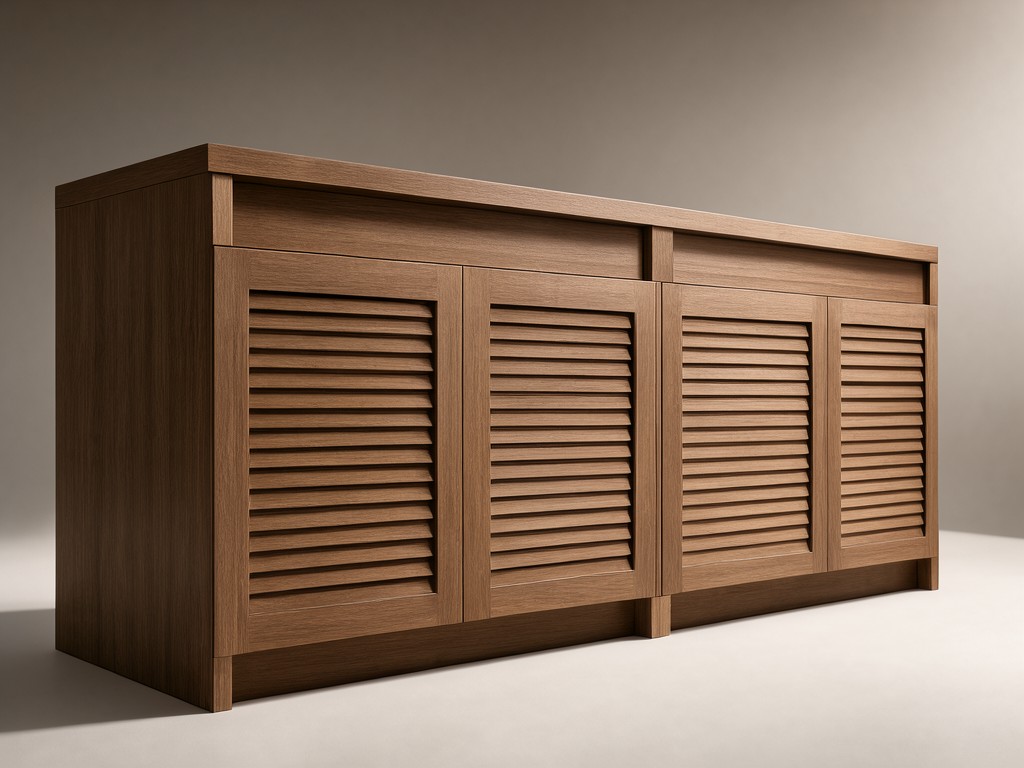
custom natural wood tv backdrop wall panel china factory: Specification, Ordering and Quality Notes
Design Constraints Behind the Specification
| Custom choice | Typical specification basis | What it changes for the buyer |
|---|---|---|
| Wood face | Species, veneer or solid slat, grain direction, and approved colour sample | Sets the visible grain variation, surface feel, and material cost per panel. |
| Panel format | Overall width and height, thickness, joint layout, and cut-outs from approved drawings | A coordinated module plan reduces site trimming and visible mismatch at panel joins. |
| Backing and mounting | Plywood or fibreboard backing, fixing points, and wall interface set against installation details | Affects panel weight, fixing method, and alignment tolerance across a full wall. |
| Surface finish | Clear or tinted coating, sheen, and sample-approved colour | Changes the tactile impression, reflection around the screen, and ease of matching repeat orders. |
The interface between parts determines whether the finished wall reads as one composition or a row of separate panels. A veneer edge that is not concealed, a slat spacing change, or a mounting point that shifts the face plane can all show clearly beside a large, dark screen. Lock the panel grid, grain direction, edge treatment, and wall fixing details on one approved drawing before pricing the production run.
Natural wood varies from piece to piece, so “same colour” needs a practical definition. Approve a reference sample under agreed viewing conditions, then specify the acceptable range of tone and grain character for the batch. That step helps avoid a costly return caused by panels that meet dimensions but look unrelated once installed.
How It Is Built and What That Changes
Consistency depends on controlling the wood face and its support as a matched assembly. For a veneered panel, the factory bonds natural veneer to a stable backing, trims the module to drawing, finishes the exposed face, and checks the edges and fixing locations. For a slatted design, prepared wood strips are aligned and attached to a backing or carrier. These are distinct constructions, so the approved sample should identify which one the order uses.
A veneer-backed panel can keep a consistent face and lower material use across a broad wall, but edge detailing and backing flatness need close control. Solid slats provide a deeper wood profile and more pronounced texture; they use more wood and can show greater movement as room humidity changes. Choose based on the desired surface and installation conditions rather than treating the two constructions as interchangeable.
Veneer Face on a Stable Backing
Choose this route when the project needs a broad, relatively even wood appearance and controlled panel weight. Confirm veneer match, edge band or return detail, and the backing material together; a face specification alone does not settle panel stiffness or fixing performance.
Solid Wood Slat Assembly
Choose this route when depth, shadow lines, and a more pronounced wood feel lead the design. Specify slat width, spacing, attachment, and finish as a complete set. Greater wood volume usually raises material cost and freight cube, while the stronger relief can make local differences in slat alignment more visible.
Buying Mistakes That Lead to Returns
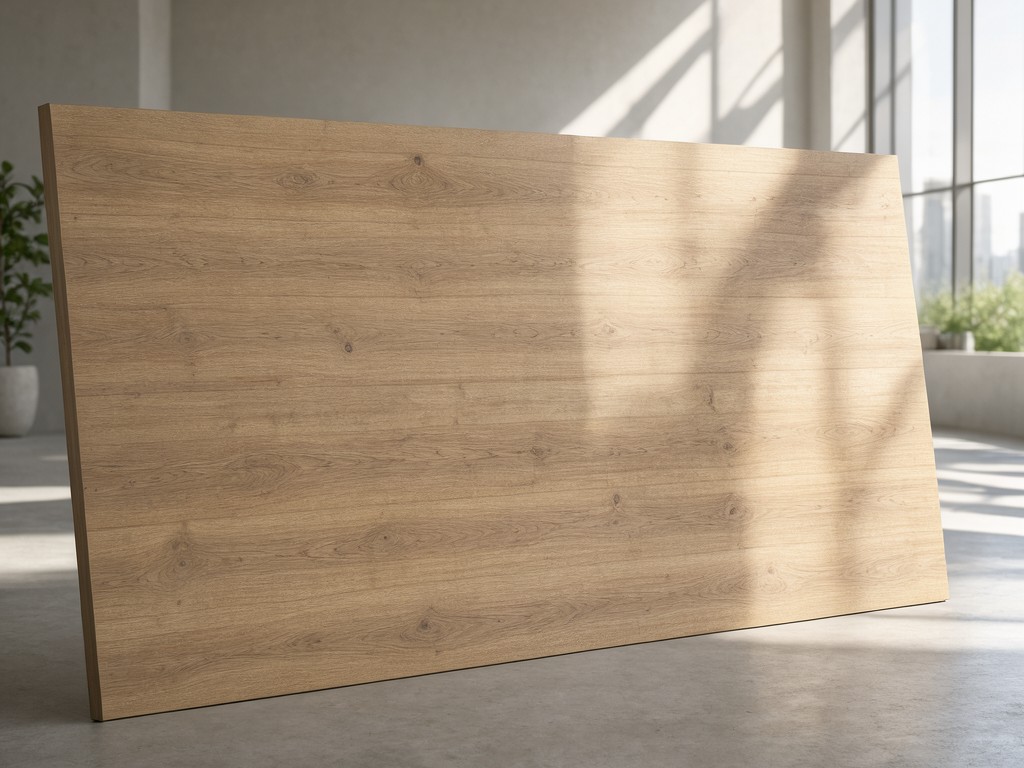
Deflection under load governs how firmly a panel sits against its support, but returns often begin with simpler issues: a bowed module, chipped corners, finish marks, or a cut-out that misses the site layout. Specify panel dimensions and permissible variation on the drawing, and make the wall substrate and fixing method part of the review. A panel cannot correct an uneven installation surface on its own.
Colour complaints often appear after several cartons are opened together. Veneer grain and natural tone vary; mixed batches can make that variation look like a production error. Approve the sample range, define whether panels should be packed in installation sequence, and retain a signed reference for repeat orders. For screen surrounds, confirm cable openings and equipment clearances before machining, since a late cut on site can split a finished edge or expose an unfinished core.
| Inspection point | Factory check | Acceptance basis to agree before production |
|---|---|---|
| Module dimensions and cut-outs | Measure length, width, thickness, and cut-out position against the approved drawing. | Drawing dimensions and buyer-approved tolerances. |
| Flatness and assembly fit | Check panel face and edges on a flat reference surface; trial-fit adjoining modules where specified. | Approved sample and fit-up requirements for the installation grid. |
| Wood appearance and finish | Compare grain, tone, sheen, visible defects, and finish coverage with the approved reference. | Signed sample and agreed natural-variation limits. |
| Pack condition | Review corner protection, face separation, carton labels, and packing sequence before dispatch. | Buyer-approved packing plan for the shipping route and unloading method. |
Use the approved drawing and signed surface sample as the inspection references. Natural grain will not repeat like a printed pattern; agree what variation is acceptable before the factory sorts and packs the production batch.
Working as a Production Partner, Not a Catalogue Supplier
A custom order starts with the wall elevation, module schedule, finish reference, and installation details—not a catalogue code. The factory can then confirm which dimensions suit the chosen backing, where edge treatment changes the visible face, and how to divide the layout into packable units. For OEM or ODM work, align panel drawings, product naming, carton marks, and any brand artwork before the production sample is approved.
Repeat-order consistency depends on retaining the approved veneer or slat appearance reference and recording the construction details against the order. If a later batch changes species, backing, coating, or module size, treat it as a revised specification and reapprove the sample. That may add review time, but it is less costly than discovering a visible mismatch after installation.
Volume Planning and Lead Time
Lead time follows drawing approval, sample sign-off, material availability, finishing requirements, and the number of non-standard cut-outs. A change to veneer species or coating after approval can reset material planning; a change to panel dimensions may also require a new production layout. Ask for the schedule against the final specification rather than relying on a preliminary estimate.
For lower cost per unit sold, calculate yield and freight together. Standardized module widths can reduce offcut and simplify packing, while irregular one-off sizes may increase handling and carton volume. Confirm whether the order is packed by room, wall sequence, or panel type, and check that labels identify each module without exposing finished faces to abrasion during transit.
Share the drawings, target order quantity, destination, preferred wood appearance, and branding files for an artwork-and-branding review. Send the specification for a production and packing review before final sample approval.