Specifying custom modern fireplace tv feature wall solution for Wholesale and OEM Orders
What This Product Is and Where It Fits
The limiting factor is rarely the headline specification. For a custom modern fireplace tv feature wall solution, the insert, television, wall structure and finished millwork must fit together without blocking required clearances, ventilation or service access.
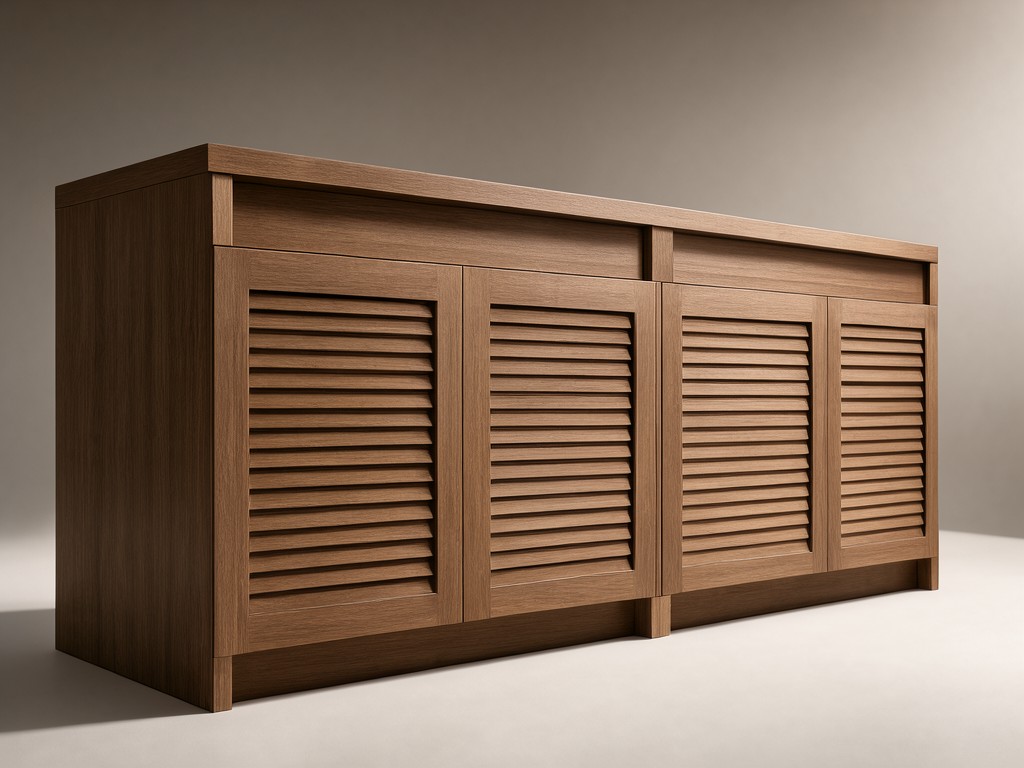
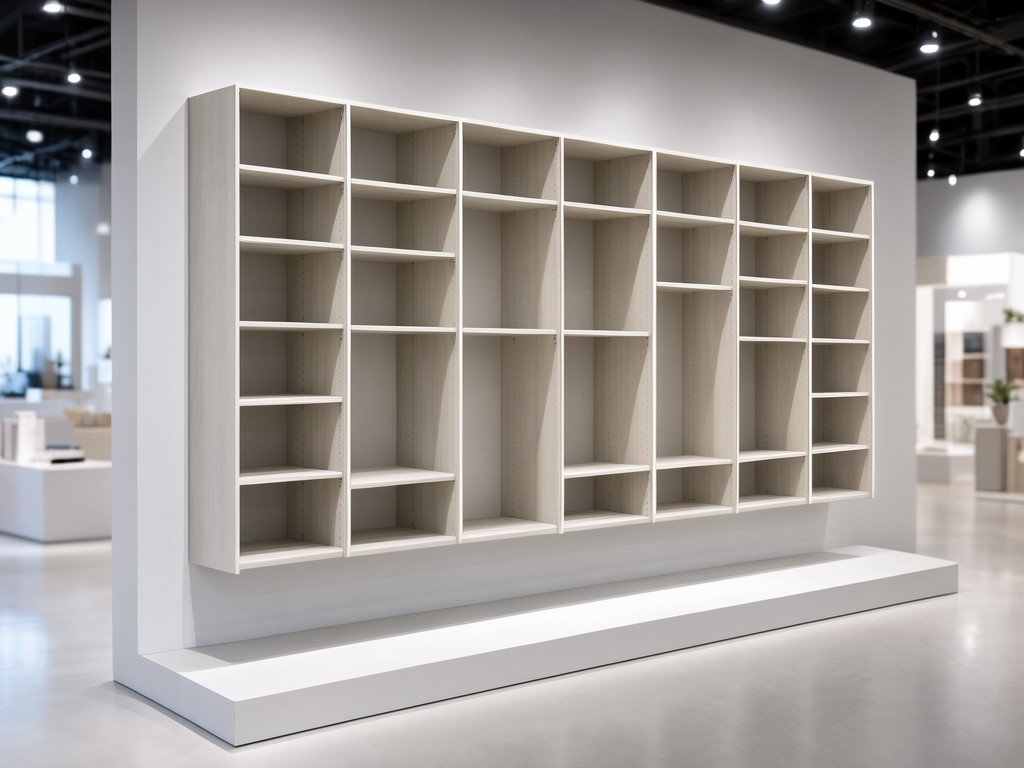
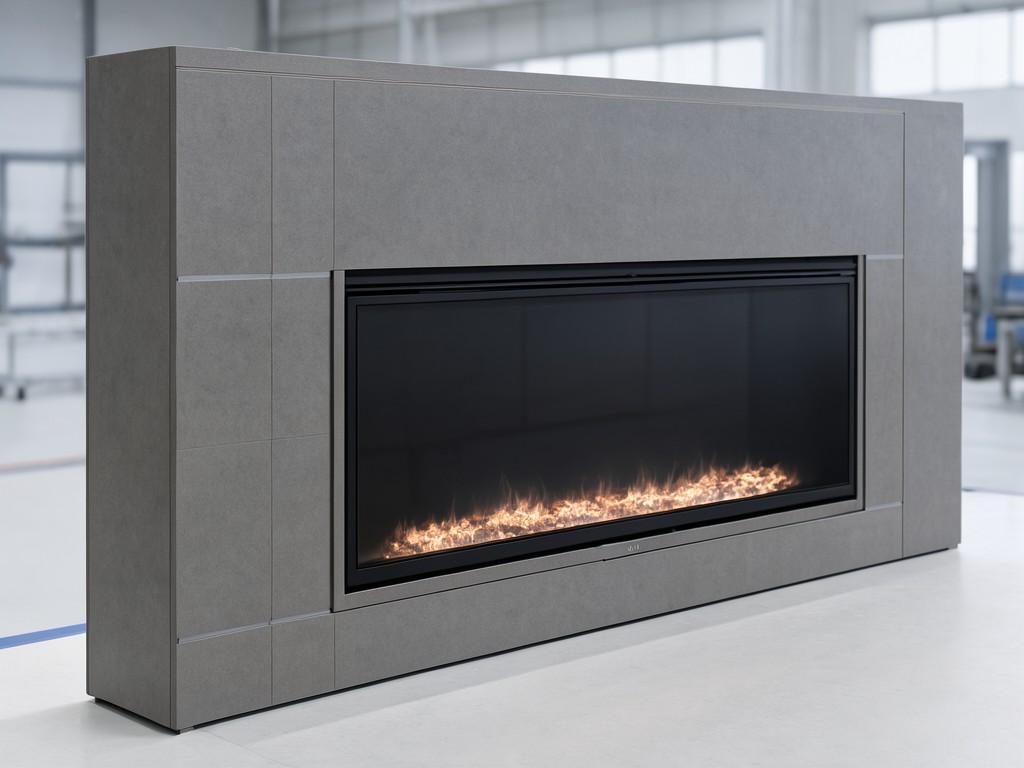
The product is a coordinated interior feature assembly, typically built from a cabinet or panel system around a buyer-selected electric fireplace and TV. Wholesale and private-label buyers use it for retail programs, residential projects and repeatable room packages. The factory can match an approved specification without redesigning the visual concept: the opening sizes, panel layout, finish, hardware and packing method are set from the buyer’s drawings and appliance data.
Design Constraints Behind the Specification
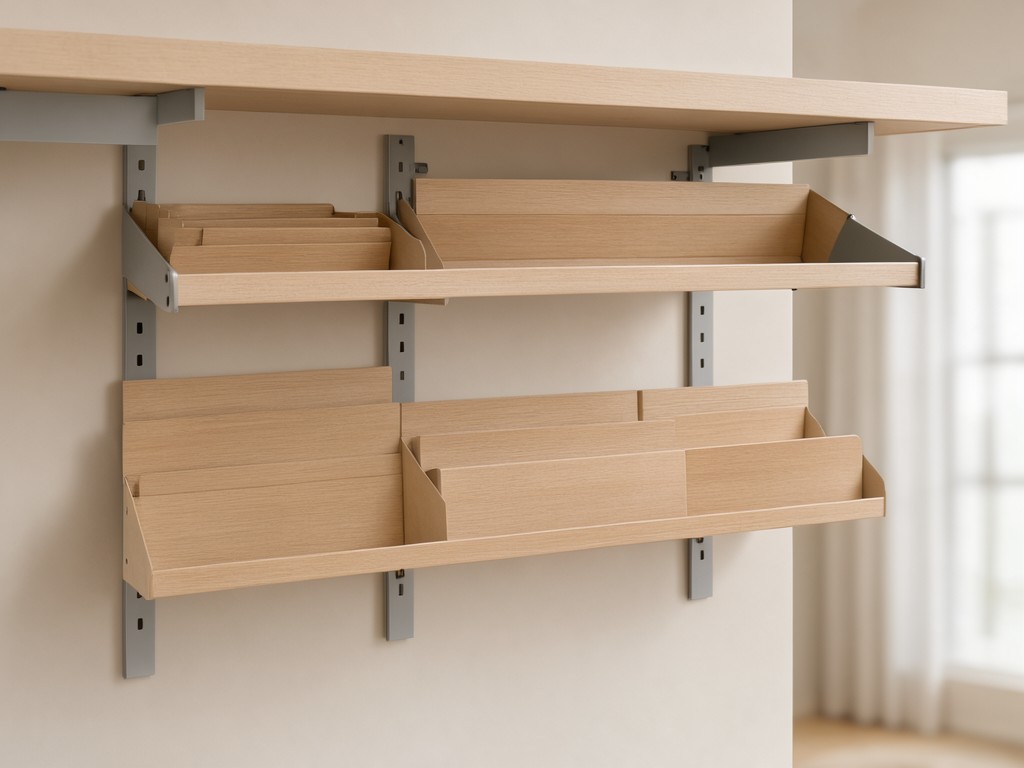
Repeat loading drives the failure. A TV bracket transfers weight and leverage into the wall assembly; an undersized fixing zone can loosen or distort after installation. The fireplace opening also needs to match the selected insert, including its trim and the clearances stated by its manufacturer. Those dimensions should be locked before panel nesting or cutting begins.
Weight and stiffness trade off against each other. Thicker panels and reinforced mounting zones can improve resistance to sag, but raise material cost, packed volume and handling effort. Cable routes, ventilation paths and removable access panels add build steps; removing them to simplify the unit can create installation or servicing problems. Surface finish also affects cost: a repeatable laminated finish usually offers simpler batch matching, while a custom-painted surface may need tighter colour approval and more controlled handling.
Freeze the insert model, TV mounting approach and finished opening dimensions before production release. A change after CNC programming can require new cut files, replacement panels and another fit check; at low volume, those resets carry a higher unit-cost impact.
How It Performs in Use
In a finished room, performance comes down to fit, stability and serviceability. Correctly placed reinforcement supports the specified TV bracket, while a square carcass helps keep doors, reveals and surrounding panels aligned. Thermal separation and airflow must follow the fireplace manufacturer’s instructions; the wall unit should not enclose an appliance beyond its stated installation conditions.
Finish durability depends on the selected surface and how the unit is handled. Edge damage often starts during assembly or transit, while visible colour variation can appear when panels from different production lots sit together. Buyers who need consistent replenishment should approve a physical finish sample and define which surfaces require matching across the set.
Measured Performance in Real Use
A useful evaluation checks the complete assembly rather than a panel in isolation. The factory can verify key dimensions against the approved drawing, assemble a sample to check squareness and joint fit, and confirm that access panels, cable paths and the appliance opening remain usable. Load checks should reflect the specified bracket and installation method; they do not replace confirmation of the wall substrate and fixing method at the project site.
| Use level | Typical demand | What to verify |
|---|---|---|
| Single project or sample room | One approved layout, with limited repeat exposure | Opening fit, visible alignment, finish sample and installation sequence |
| Retail or multi-unit residential program | Repeated assembly, frequent handling and consistent appearance across units | Drawing control, panel-to-panel finish matching, hardware placement and transit protection |
| High-volume replenishment | Stable repeat orders across production batches | Reference samples, revision tracking, dimensional checks and repeatable packing configuration |
A larger order can spread one-time drawing review, CNC setup and fixture preparation across more units. That can lower the setup portion of unit cost, but material selection and finishing still set much of the recurring cost. Lead time also depends on finish approval and component availability; a confirmed forecast gives the factory more room to reserve materials and group production runs.
Requirements by Buyer Segment
Private-label programs usually need a controlled appearance and repeatable assembly more than a new design. Wholesale buyers may prioritize carton dimensions, assembly time and compatibility with several room layouts. Use this decision path to set the production basis before quoting:
- If the buyer already has an approved drawing, retain its dimensions and revision as the master.
- If the insert and TV models are fixed, confirm their installation data before cutting files are released.
- If either model may change, quote the opening or mounting interface as a controlled variant rather than assuming universal fit.
- If the finish is standard, approve a production reference sample and specify which adjoining panels must match.
- If the order volume is small, expect setup and sample costs to weigh more heavily per unit; if volume is repeatable, discuss a forecast that supports material booking and fewer tooling resets.
- If the buyer needs flat-pack freight, confirm assembly steps and hardware identification; if the unit ships assembled, check carton size, corner protection and handling limits before order confirmation.
A small number of stable variants usually costs less to manage than frequent one-off changes. Multiple finishes or opening sizes can be supported, but each variant adds approval, labeling and batch-control requirements.
How Consistency Is Held Across Batches
Consistency starts with a released drawing, a controlled bill of materials and a retained finish reference. CNC programs should follow the approved revision, while incoming panels and hardware are checked against the order specification. Assembly checks can catch misaligned holes, joint gaps and access-panel interference before units reach packing.
For repeat orders, batch records connect the panel materials, finish choice and drawing revision to the shipment. That matters when a buyer replenishes after a gap: the team can compare the new order with the earlier approved configuration rather than rely on an informal description. A finish change or appliance substitution should trigger a review of fit and appearance, not an automatic production release.
Packing, Marking and Freight Configuration
Large panels and finished edges are vulnerable to impact at carton corners and during transfers. Packing should separate finished faces, restrain loose hardware and protect narrow edges from abrasion. Flat-pack configurations reduce shipping volume, but the buyer takes on more assembly work; assembled units simplify site installation at the cost of larger cartons and more freight space.
Agree carton marks, product identifiers, assembly instructions and private-label artwork before the production run. Where a shipment contains several sizes or finishes, visible carton identification reduces sorting errors at the warehouse and installation site. Confirm the freight configuration against the buyer’s receiving method, including whether cartons need palletization or individual handling.
Quotation Review
Send the current drawing, insert and TV data, finish reference, target order volume and packing preference for a quotation review. Include planned reorder quantities where available; expected volume helps separate setup costs from recurring unit cost and supports a more realistic lead-time discussion.
For a quotation review, send the specification and order forecast before sample approval or production release.