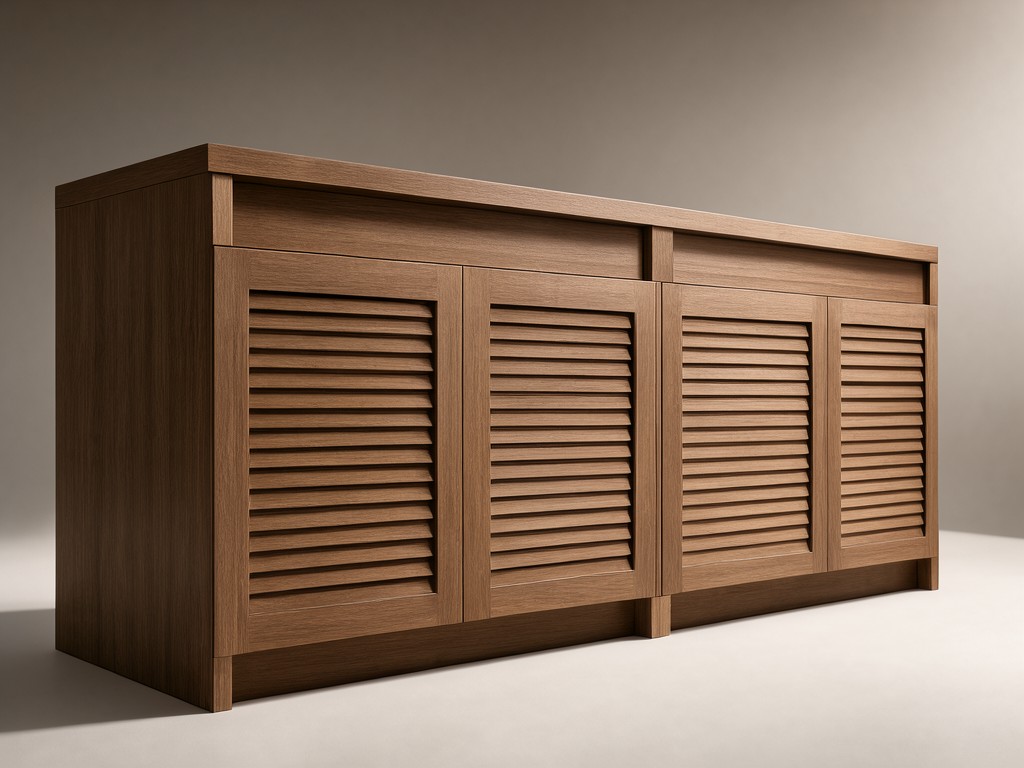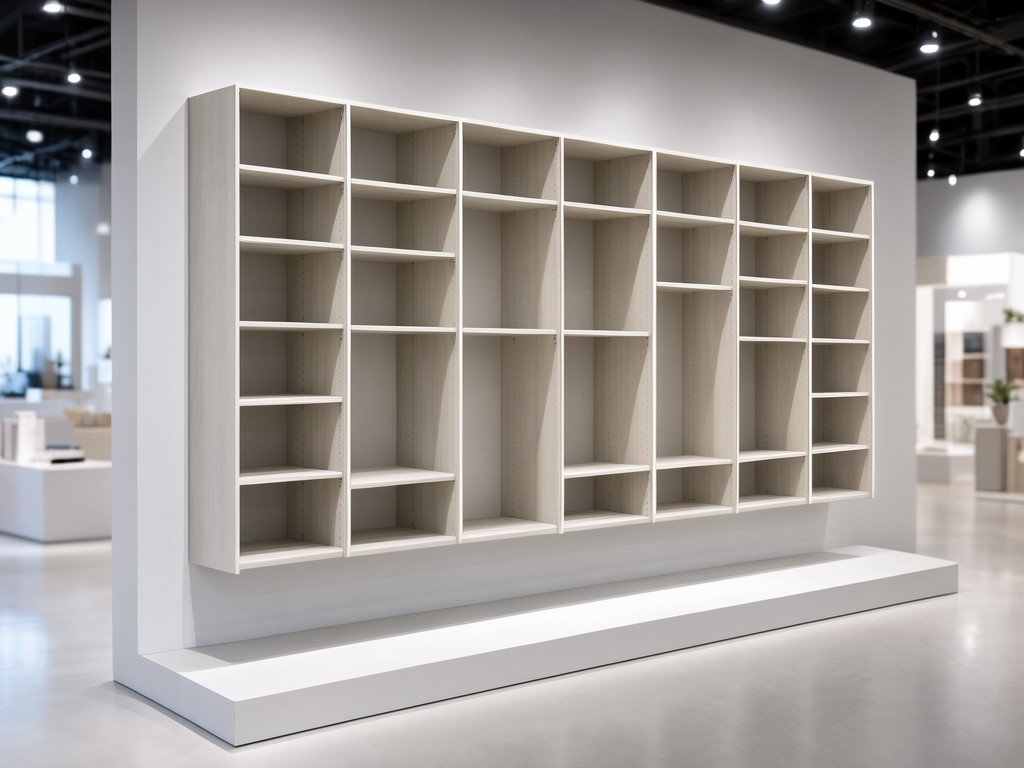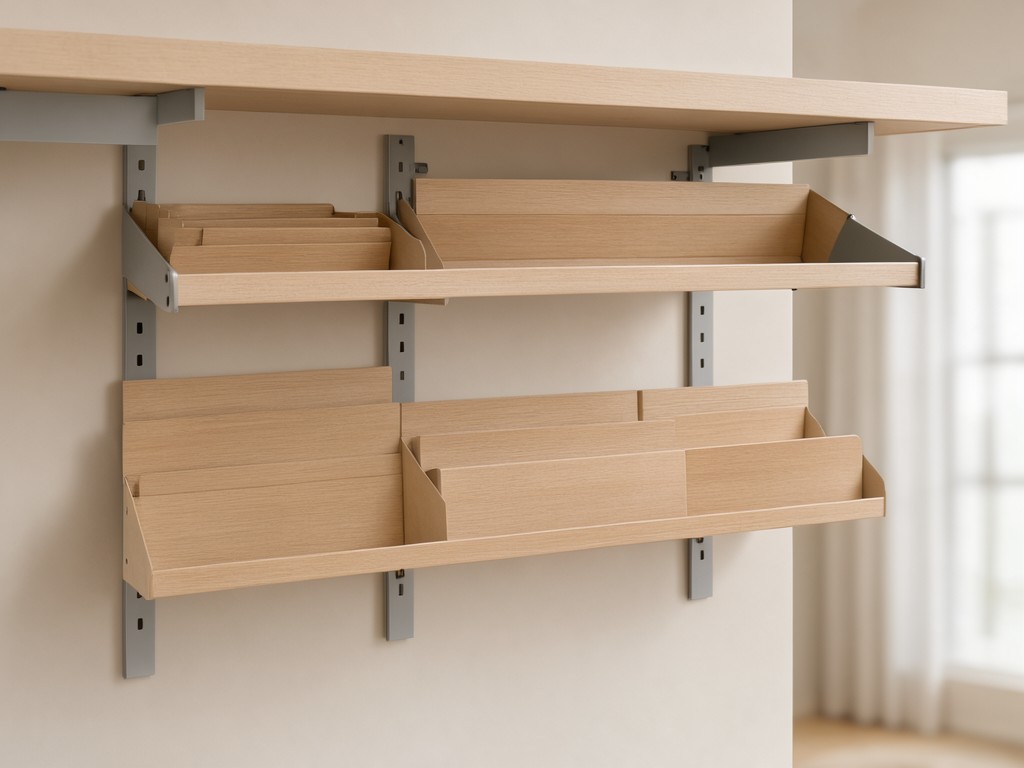
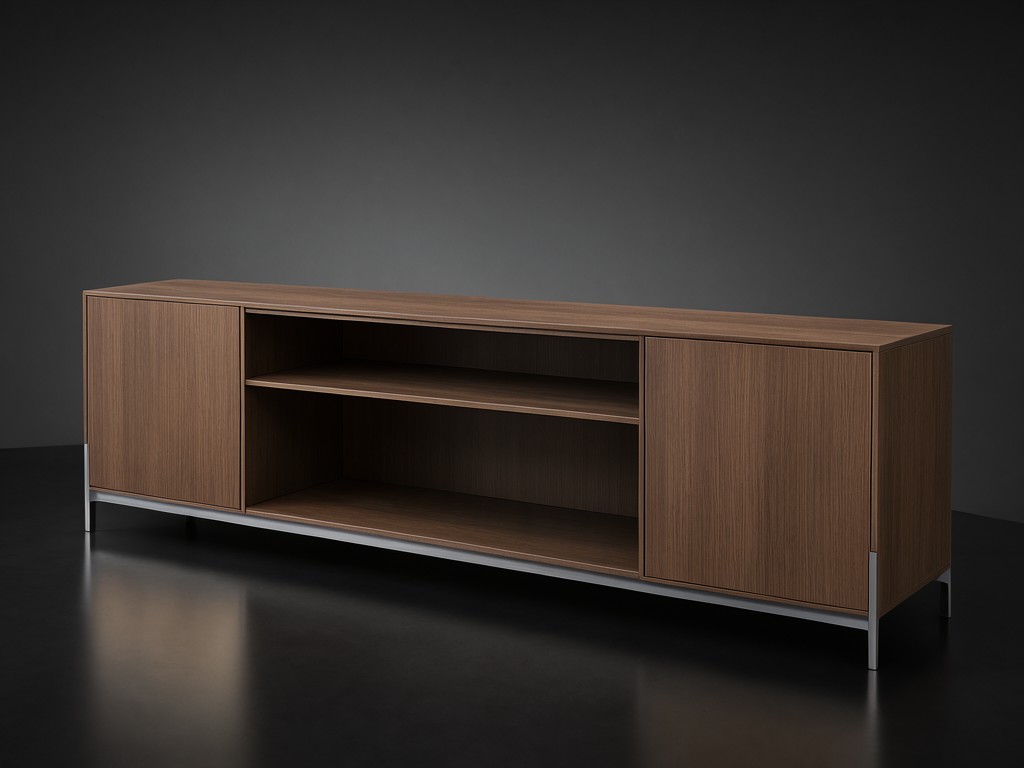
Specifying custom dining room sideboard storage cabinet vendor for Wholesale and OEM Orders
Total cost of ownership shifts once returns are counted. For importers and retail buyers qualifying a second source, a sideboard that arrives square, keeps its doors aligned, and tolerates routine cleaning can cost less over a season than a lower-priced cabinet that needs adjustment or replacement.
Second-source review: compare the panel specification, edge treatment, hardware, and inspection tolerances against the landed cost. Confirm which production steps use fixed drilling or assembly fixtures, since repeatable setups matter more as order volume rises.
How It Performs in Use
Replacement rate, not unit price, is the useful measure for dining-room storage in clubs, academy hospitality areas, and retail furniture programs. Guests and staff open doors repeatedly, place serving pieces on the top, and wipe spills from exposed surfaces. Those routines expose loose hinges, sagging shelves, swelling at unsealed edges, and drawer fronts that drift out of alignment.
A cabinet should feel stable under normal household or hospitality use, with doors that close evenly and drawer slides that move without catching. Shelf capacity depends on span, panel thickness, support method, and the weight of stored items; specify the intended load and shelf width before approving the layout. A longer unsupported shelf may need a thicker panel or a central support, which adds material and can reduce usable space.
Cheaper stock options fail at the worst point in the season: during busy service or just after a retail delivery. The cost difference is most defensible when the cabinet construction suits the cleaning routine and the doors, runners, and handles can be adjusted or replaced without dismantling the case.
How It Is Built and What That Changes
Production typically starts with sheet material cut to a controlled panel schedule. CNC sizing and drilling locate hinge cups, shelf-pin holes, and connector positions; edge banding then covers exposed panel edges before the case is assembled. A consistent drilling program helps doors sit evenly across repeat orders, while a revised panel layout or new door pattern can require setup work and sample approval.
Melamine-faced particleboard often gives buyers a lower entry cost and a broad choice of repeatable surface colours. MDF with veneer or a painted finish allows a different face appearance, but adds finishing steps and can raise both handling time and rejection risk if colour or surface quality varies. Plywood or solid-wood details can suit heavier-duty or natural-material programs, though their cost and appearance variation need agreement at sample stage.
Tooling economics depend on how much of the design changes. A repeat panel size with fixed hinge and connector locations can use established programs and fixtures; new dimensions, hardware positions, or shaped fronts call for additional setup and verification. At higher volumes, that setup cost is spread across more units, but a larger run does not remove the need to approve a first article before batch production.
Where This Product Beats Standard Alternatives
Custom dimensions and interior layouts help a buyer match storage to a real dining-room footprint rather than accept a fixed stock configuration. Use the selection flow below to balance initial cost, serviceability, and production setup.
- If the program needs a repeatable finish at a controlled unit cost, choose a standard panel finish and an established case size; fewer finish and drilling changes can shorten setup and limit unit-cost variation.
- If the cabinet will see frequent wiping, confirm the surface and exposed-edge treatment against the cleaning products used at the site.
- If a specific wood appearance is part of the retail offer, review veneer matching and finish approval; these steps can add sorting, labour, and approval time.
- If staff need to replace a worn component, prioritize screw-fixed hinges, accessible shelf supports, and drawer slides with a defined replacement route. This may raise the hardware cost but can reduce repair time.
- If the order is split across several deliveries, settle the approved finish, dimensions, and hardware before release. Separate production lots or late changes can add setup time and complicate visual matching.
Compared with a fixed stock cabinet, a made-to-order sideboard can use space more efficiently and align with a retailer’s range plan. The trade-off is a longer planning window for samples, material confirmation, and production scheduling; the gain is a specification that can be repeated instead of adapted at receiving.
Specification Range and Customisation Limits
The ranges below are planning references, not a released production specification. Final dimensions and weight depend on panel choice, internal supports, hardware, finish, and packaging. Confirm the finished sample and approved drawing before the factory fixes cutting and drilling programs.
| Planning item | Typical range or option | What changes the decision |
|---|---|---|
| Compact sideboard | About 1,200–1,400 mm wide; 400–500 mm deep; 750–900 mm high. Approximate cabinet weight: 45–70 kg. | Useful for smaller dining areas; confirm shelf span and intended stored load. |
| Full-width sideboard | About 1,500–2,000 mm wide; 400–500 mm deep; 750–900 mm high. Approximate cabinet weight: 65–110 kg. | Longer spans may need additional supports; larger cases also affect carton size and handling. |
| Light-use dining area | Lower-frequency access; standard hinges and shelf supports may suit the intended use. | Confirm cleaning routine and expected shelf loads before selecting panel thickness. |
| Frequent-use dining or hospitality area | Repeated daily door and drawer access; consider replaceable hardware and reinforced support points. | More durable hardware and added support raise material cost but can simplify service. |
Size changes affect more than material usage. Wider panels can require revised cutting layouts, extra support, and different protective packaging; those changes can raise unit cost and lengthen pre-production checks. A stable repeat specification usually offers a better cost basis than frequent small revisions.
Customisation Options and Their Limits
Lower-change configuration
Keep the case dimensions, panel finish, and hardware positions within an established production setup. This route limits setup work and is usually easier to schedule at repeat volume.
Higher-change configuration
New dimensions, a special finish, altered door geometry, or nonstandard hardware can call for new programs, samples, and added inspection. The buyer gets closer alignment to a range plan, with more setup cost and lead-time exposure.
Typical options include door and drawer combinations, shelf positions, handles, panel finish, edge-band colour, and base or leg style. Each change needs a clear drawing or sample reference. A surface colour alone is not a complete finish reference: sheen, grain direction, edge treatment, and acceptable batch variation should also be agreed.
Tooling amortisation works best when the approved configuration stays fixed across a meaningful run. If volume is uncertain, compare the per-unit cost of a standard layout with the setup charge for a custom layout, then consider whether later reorders will use the same dimensions and hardware.
How Consistency Is Held Across Batches
A second source needs a controlled reference set, not just a photograph. Use an approved drawing with finished dimensions, panel and edge specifications, hardware identifiers, finish references, and assembly details. Retain a signed or otherwise traceable sample where surface appearance is important.
Repeatability depends on the factory using the same panel schedule, drilling locations, edge-banding method, and assembly sequence. Check the first production pieces against the approved reference before the batch proceeds. If a material substitution becomes necessary, pause release until the buyer reviews its effect on appearance, fit, and service access.
Order volume changes the commercial balance. A larger batch can spread setup and fixture costs across more units, while smaller repeat orders may carry more setup cost per cabinet. Lead time depends on material availability, finish approval, production loading, and the size of the batch; request a confirmed schedule after the final specification is frozen.
What Gets Checked Before Shipment
Inspection should cover the parts that drive returns and service calls. Factory checks can include overall dimensions, panel condition, edge coverage, door gaps, hinge adjustment, drawer travel, shelf fit, and assembly stability. The approved sample and drawing set the acceptance reference; tolerance limits should be agreed for the actual design rather than assumed from a generic cabinet specification.
- Measure case width, height, and depth, then check diagonal measurements for squareness.
- Inspect visible faces and edges for chips, finish defects, poor colour match, or exposed substrate.
- Open and close each door and drawer; verify alignment, clearance, and hardware fastening.
- Check assembly stability and confirm that shelves, connectors, handles, and installation parts match the approved bill of materials.
A visual review alone will not reveal a loose connector or an out-of-square case. Inspection records tied to the batch and carton identification help the buyer trace a complaint to the relevant production lot and decide whether it calls for adjustment, replacement parts, or a wider review.
Packing, Marking and Freight Configuration
Cabinet size, finished surface, and shipping method determine whether the product ships assembled or as a flat pack. Flat packing can reduce freight volume, but it puts more weight on connector design, labelled components, and clear assembly instructions. Assembled cabinets reduce customer setup work, while their larger cartons need more space and corner protection.
Protect finished faces from abrasion with suitable separators, guard corners against impact, and secure hardware so loose parts cannot mark the panels. Carton markings can identify the model, finish, quantity, carton sequence, and handling orientation. Confirm retail labels, importer details, and any destination-specific marks before artwork release; incorrect labels can delay receiving even when the furniture itself passes inspection.
For a specification review, share target dimensions, expected use, finish reference, intended order volume, and preferred freight configuration. Request a sideboard specification review to compare the production setup, sample requirements, and batch cost before placing a wholesale order.