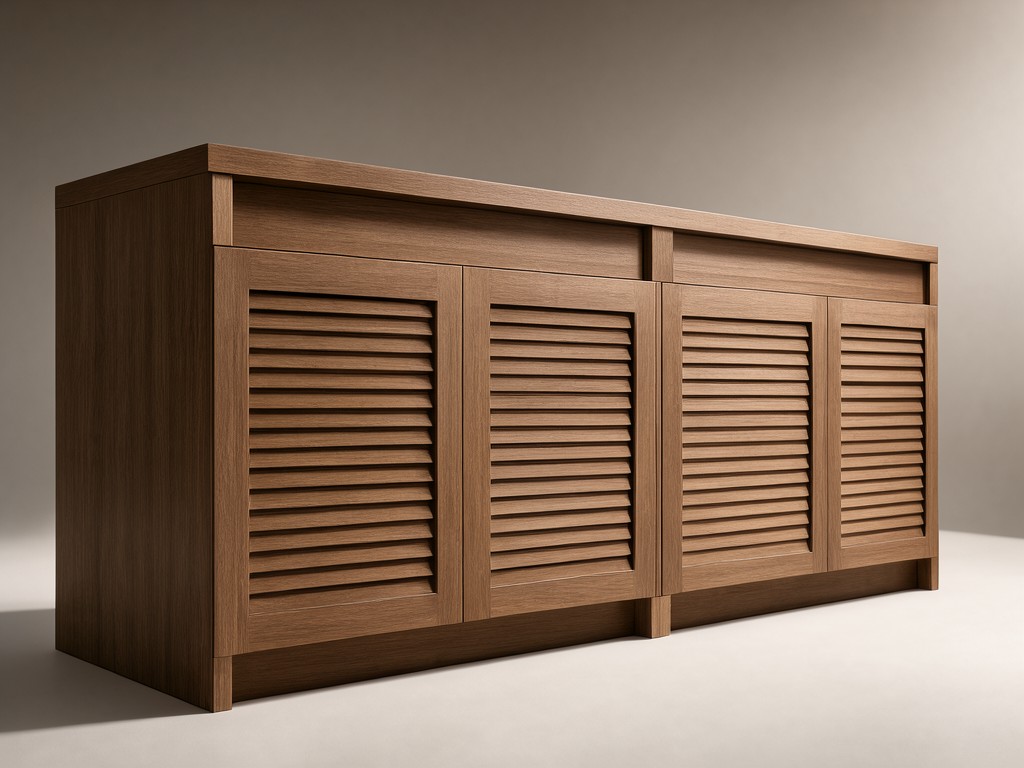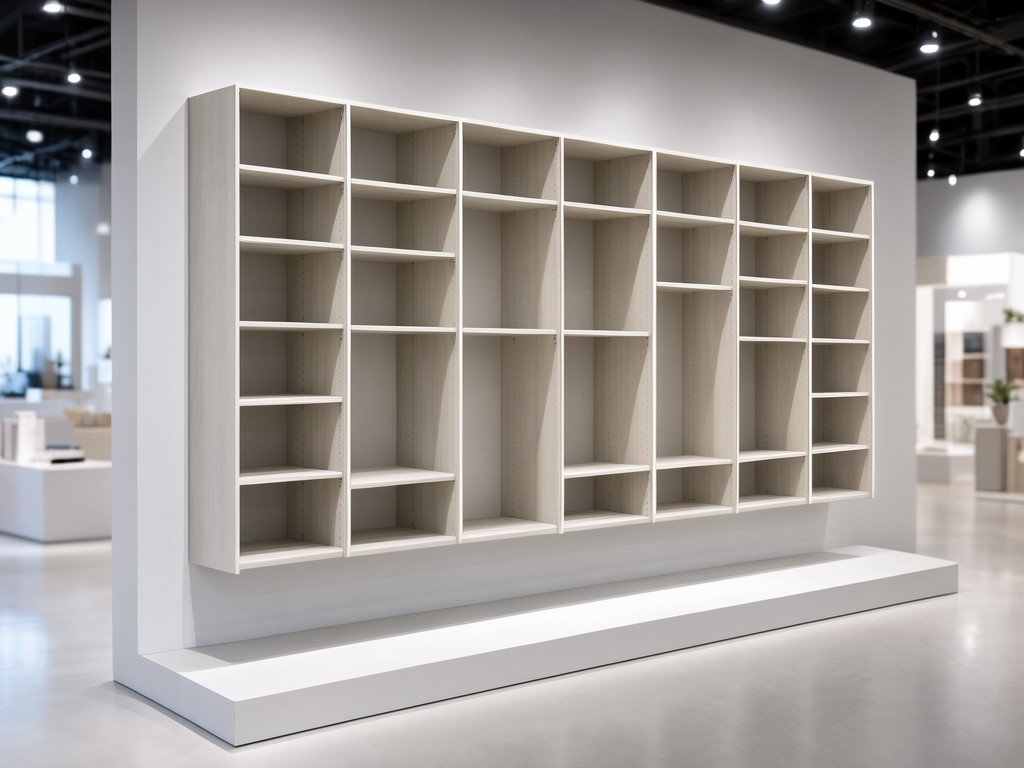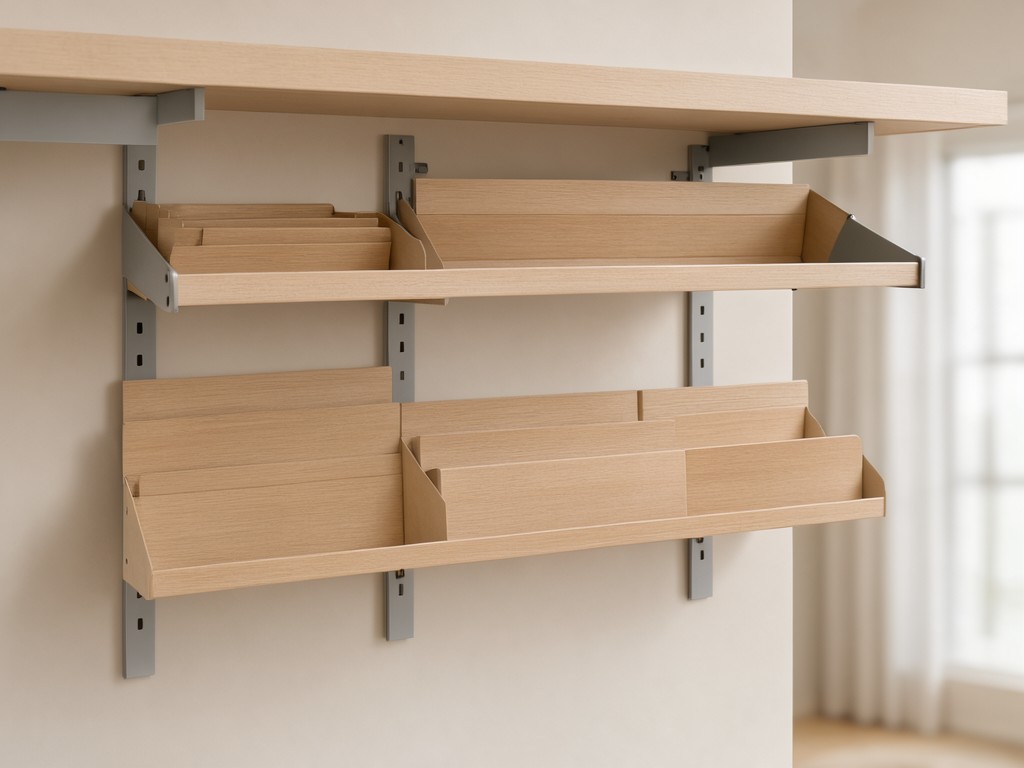
Specifying custom complete home cabinetry for villa project factory for Wholesale and OEM Orders
Consistency depends on a controlled set of approved drawings, board specifications and finish samples across kitchens, wardrobes, vanities and storage units. For distributors, importers and private-label buyers, the factory brief needs to lock those references before production; otherwise, a small change in panel thickness, edge treatment or colour can show across an entire villa order.
A typical manufacturing route uses cut-to-size panels, CNC drilling and routing, edge banding, hardware fitting, inspection and either flat-pack or assembled export packing. Cabinetry for interior rooms can be specified to handle ordinary humidity and cleaning exposure, but it should not be treated as exterior furniture or left with unsealed edges near persistent water.
Where Cheaper Alternatives Fall Short
Deflection under load governs shelf spacing and panel selection: a long shelf carrying cookware, linen or bathroom supplies needs more support than a short wardrobe shelf. Thinner panels and reduced hardware can lower the unit price, but sagging, loose hinges and misaligned doors raise installation costs and warranty claims.
Moisture damage often starts at cut edges, sink openings and floor-level plinths rather than across an intact decorative face. If the project includes wet-use zones, specify edge sealing, suitable board construction and a cleaning method that avoids standing water; do not rely on a surface finish to compensate for exposed panel edges.
Compare landed cost per installed room, not cabinet price alone. A cheaper specification loses its advantage when dimensional variation causes site trimming, replacement doors or repeat shipments.
Specification Range and Customisation Limits
Balance and load analysis shows where the factory can hold a repeatable specification and where a site-specific drawing is necessary. Cabinet widths, heights and depths can follow project schedules, while panel construction, edge details, drilling positions and hardware interfaces need to remain tied to approved production files.
The table combines configurable product controls with export packing decisions. Exact dimensions and carton details are set against the buyer’s final room schedule, hardware list and shipment plan rather than assumed from a generic cabinet range.
| Control Area | Buyer Specification | Factory Check or Packing Decision |
|---|---|---|
| Room dimensions and modules | Approved cabinet schedule, finished dimensions, filler panels and appliance clearances | Panel dimensions and drilling coordinates checked against released drawings |
| Panels and exposed edges | Board type and thickness, decorative face, edge material, edge colour and sealing requirements | Reference sample, thickness checks and visual review of edge adhesion and finish match |
| Hardware and interfaces | Hinge and runner type, handle locations, opening direction and soft-close requirements | Fit checks on sample units; hardware identity recorded for repeat orders |
| Branding and identification | Private-label marks, carton labels, room or unit coding and language requirements | Artwork approval and label-to-carton verification before dispatch |
| Export packaging | Flat-pack or assembled supply, carton grouping by room, protection for faces, corners and hardware | Pack list matched to carton marks; packing method confirmed for route, handling and container plan |
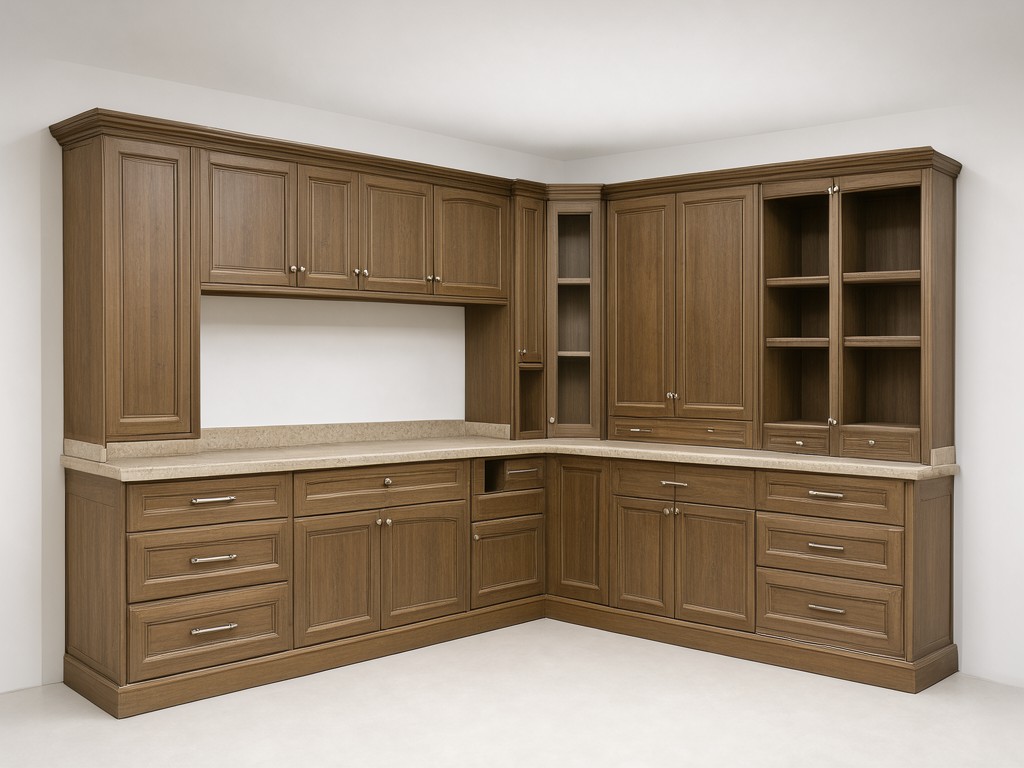
Matching the Product to the Buyer's Need
Use the decision path below to keep a private-label specification intact while adapting the project schedule to actual room conditions.
- Start with the installation context.
- For kitchens or vanities, define splash exposure, sink positions and edge-sealing details before releasing cutting files.
- For wardrobes and dry storage, prioritize consistent door gaps, shelf support and repeatable hardware locations.
- Next, confirm whether the buyer needs flat-pack shipment for container efficiency or assembled units to reduce site labour; check carton dimensions and local handling capacity before choosing.
- Close the specification with the approved colour and hardware references. A finish substitution can change the appearance between rooms, so any alternate must be sampled and signed off before bulk production.
For a distributor managing several villas, a controlled common specification can reduce part-count variation and simplify replenishment. Keep project-only dimensions in separate drawing revisions so they do not drift into the standard private-label set.
Buying Mistakes That Lead to Returns
Returns often begin with incomplete room data, not a production defect. Appliance openings, wall irregularities, skirting depth and filler requirements must be clear before panel dimensions are frozen; otherwise, installation teams may cut finished panels on site or report a mismatch that cannot be corrected with hardware adjustment.
Another costly mistake is approving a colour from a screen image. Decorative faces can shift under different lighting, and edge band colour may not match the panel face exactly. Approve physical references under the intended room lighting, retain a signed sample and use it as the inspection reference for later batches.
Do not compare offers until panel build, edge treatment, hardware schedule and pack method align. A lower quotation with omitted fillers or unspecified runners can appear cheaper while transferring cost to the importer through missing components, site delays and warranty handling.
Capacity, Tooling and Scheduling
Production capacity depends on the number of unique panels, finish changes, drilling patterns and assembly requirements, not only the cabinet count. A stable batch with released drawings moves through panel cutting and edge banding more predictably than a mixed order with late room revisions.
Tooling usually refers to program setup, drilling jigs where needed, and dedicated fixtures for repeatable assembly; custom machinery is not automatically required. The factory should review the buyer’s drawings, hardware samples and finish reference to identify any fit or process issue before a production sample is approved.
Schedule time for drawing approval, sample review, bulk production, inspection and export packing as separate stages. Changes after panel cutting can create scrap and reorder delays, so revision control and written sign-off are the practical safeguards.
Keeping Repeat Orders Supplied
Repeat-order consistency starts with retaining the approved drawing revision, panel and edge specifications, hardware identities, finish sample and packing record. Each incoming batch can then be checked against the same references rather than interpreted from a previous purchase order.
For multi-villa supply, plan repeat demand around common components such as standard carcass panels, hinges and runners, while keeping project-specific doors and fillers tied to their room codes. Batch inspection should sample dimensions, opening alignment, edge adhesion and finish appearance; hold any disputed lot against the approved reference before it is packed.
Stock availability depends on the chosen board decor, hardware and order mix. If the private-label range needs short replenishment runs, agree on approved alternates and minimum reorder quantities in advance; an unapproved substitution can create visible differences across adjoining rooms.
Ordering, Tooling and Lead-Time Questions
What files are needed to quote a complete villa order?
Provide dimensioned room elevations or cabinet schedules, appliance and sink locations, hardware requirements, finish references, quantity by room and preferred packing method. The factory can flag missing clearances before pricing is finalized.
Does a private-label change require new tooling?
A logo or carton-label change generally needs artwork and label approval, not new cabinet tooling. Altered panel geometry, drilling positions or hardware interfaces may require revised programs, fixtures or a new fit sample; the factory should confirm this after drawing review.
How can the buyer protect a scheduled shipment date?
Release one controlled drawing revision, approve the physical finish sample and hardware list, and confirm carton marks before the production slot. Lead time should be quoted against the final scope, since late design changes or a special finish can alter material availability and line sequencing.
Send the room schedule, target order volume and current private-label specification for a tooling review. Request a tooling review before committing the bulk order, so drawing gaps, sample needs and packing assumptions are visible at quotation stage.