china wall panels cost per sqm factory - Bulk Supply and Specification Guide
A factory cost per sqm is meaningful only when the panel specification and pack-out are fixed. For private-label interior wall cladding, profile, usable coverage, core formulation, surface finish and carton protection all affect the landed cost—and the rate of returns after installation.
What Actually Determines Performance
| Quote or packing item | What to confirm | Why it changes cost or claims |
|---|---|---|
| Panel profile and dimensions | Material family, thickness, face width, profile depth and cut length | More material per metre and a larger profile generally raise the factory rate; fit with existing trim can prevent redesign costs. |
| Usable coverage | Face width after tongue-and-groove or other overlap | Carton coverage should use installed face area, not the full panel width. Otherwise, the quoted cost per sqm understates the quantity required. |
| Carton quantity and protection | Panels per carton, net coverage, corner protection and export packing method | Long profiles need protection against edge crush and surface scuffing. Carton dimensions also affect container loading and freight cost. |
| Private-label marks | Carton artwork, product code, colour reference and batch identification | Artwork setup and label changes affect order preparation. Approved references help buyers match repeat batches without changing the panel design. |
Tooling amortisation decides how much of the initial profile setup is carried by each order. For an existing extrusion profile, the quote can focus on resin blend, panel dimensions, finish and quantity. A new profile or altered locking edge adds die work and sample approval before regular production.
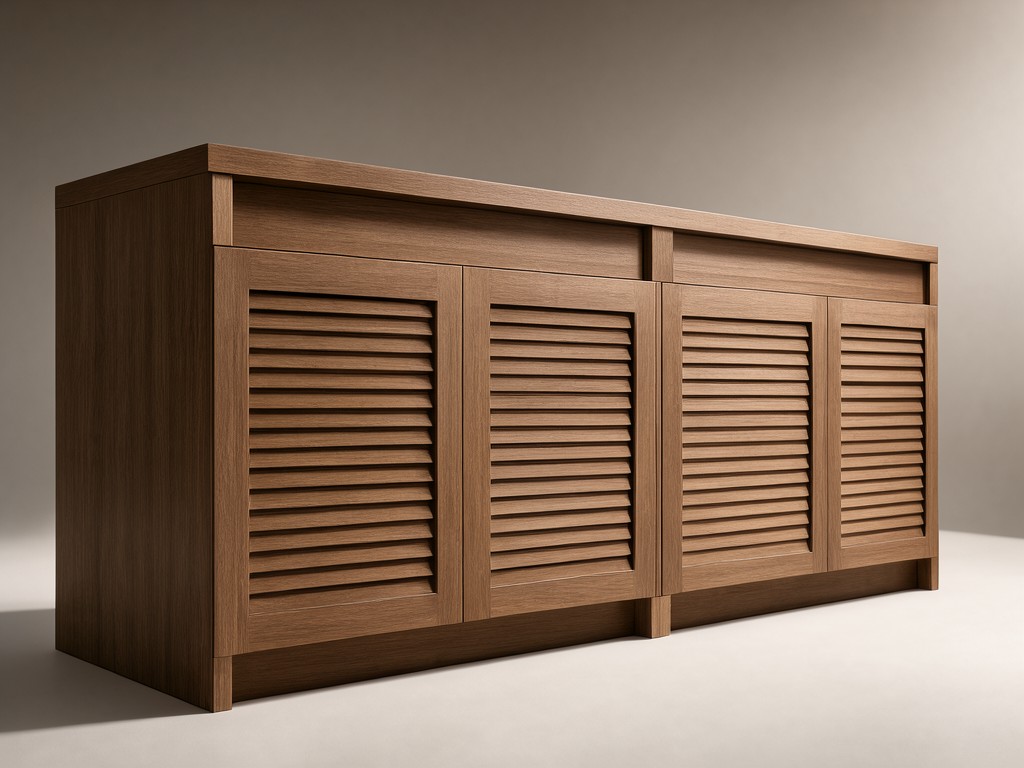
Decorative PVC and wood-plastic composite (WPC) panels are commonly formed by extrusion, then cut to length and finished with a film, print or coating. Wall panels in this category are interior cladding, not a substitute for a structural wall. Core density and profile geometry affect stiffness and handling; surface finish affects cleanability and resistance to scuffing.
Compare factory offers using the same usable sqm, panel length, material family, finish and packing method. A lower ex-works rate can lose its advantage if the panels arrive with damaged edges or the carton coverage calculation is wrong.
Customisation Options and Their Limits
Cheaper stock options fail at the worst point in the season when a retailer needs a repeat colour or a matching replacement carton. Keeping the panel profile and locking geometry unchanged is the lowest-risk route for a private-label range; customise the finish, label and pack-out around the approved construction.
Stock Profile, Custom Finish
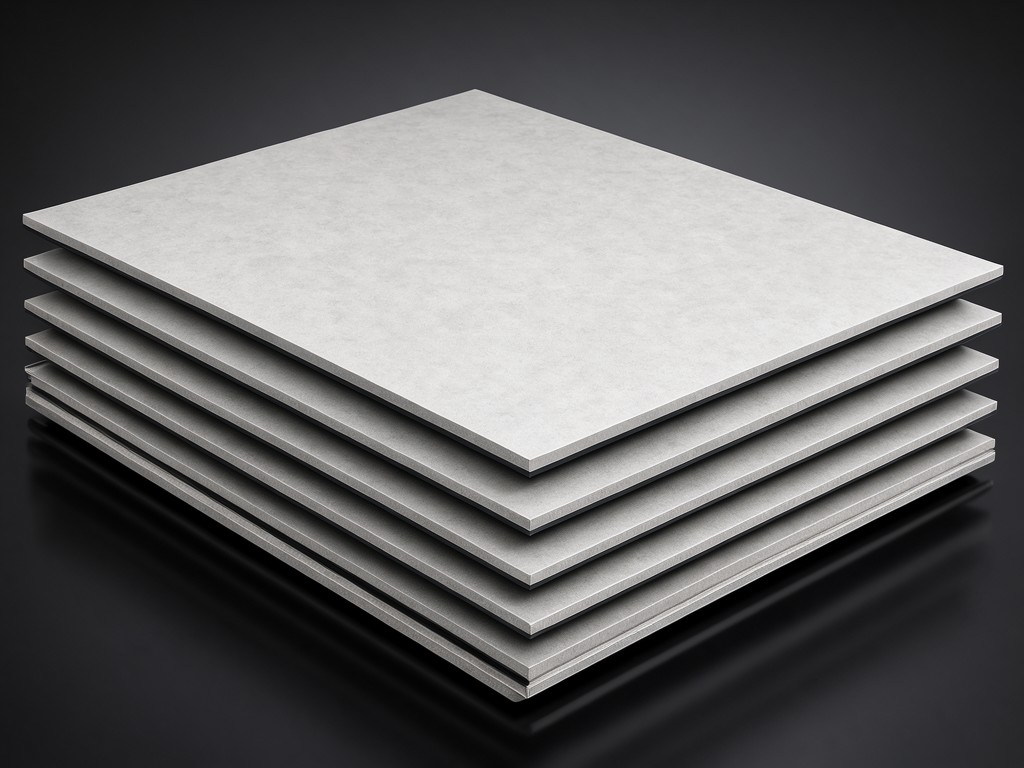
This route retains the existing die and panel dimensions. Buyers can specify an available surface film or colour reference, then approve a production sample. It usually limits setup expense, but exact shade matching still depends on the agreed reference and batch controls.
Modified or New Profile
Changes to face width, wall thickness, hollow-chamber layout or joint geometry can require die modification and fit checks. The buyer gains a product closer to an existing trim or installation system, but must account for tooling, validation samples and a longer approval path.
Artwork should be supplied with the intended print dimensions, colour references and carton placement. Confirm whether the finish is a surface film, direct print or coating; these are not interchangeable in appearance, cleaning response or repair options. Keep one approved sample and a written panel specification as the reference for repeat orders.
Who Uses It and Where It Matters
Replacement rate, not unit price, is the useful measure for importers and retail buyers managing a repeat line. A panel that arrives with chipped edges, varies in face width or no longer matches the previous colour batch can create installer delays, returns and warranty questions.
- Home-improvement retailers need carton coverage and clear product identification so customers can calculate room quantities and reorder the same finish.
- Interior fit-out contractors use panels across repeated rooms or corridors. Joint fit, cut-length consistency and surface condition matter during installation and handover.
- Importers supplying renovation projects need consistent batches across phased deliveries, plus export packing that protects long edges in transit.
- Private-label buyers benefit from fixed profile references, approved finish samples and traceable carton labels when replenishing a retail range.
For wet rooms or areas with frequent cleaning, confirm the panel maker's stated use limits and the installation details, including joints and edge sealing. A decorative panel should not be specified as a waterproofing system unless the complete wall assembly has been designed for that function.
Quality Control and Batch Consistency
Colour drift, inconsistent panel width and weak interlocking edges create avoidable claims, especially when one room receives panels from different production lots. A factory control plan should link the approved sample and drawing to incoming material checks, extrusion settings, finish references and final carton identification.
For OEM supply, keep the material recipe, profile drawing, surface specification and packaging artwork under revision control. Changes to resin blend, recycled content, film supplier or die condition can shift colour, stiffness or dimensions. Buyers should require notification and approval before a change affects a confirmed specification.
The quote should be judged against total cost of ownership: factory price, freight, installation waste, replacements and warranty handling. A modest saving per sqm may not compensate for a higher rate of damaged cartons or mismatched replenishment stock.
Inspection Items and Test Methods
Inspection should use the approved drawing, physical sample and written acceptance limits rather than a visual check alone. Sample panels from multiple cartons and production positions to identify variation that a single hand-picked piece can hide.
- Measure panel length, face width, thickness and profile depth at agreed points. Check that the usable coverage and locking edges match the approved reference.
- Compare colour and surface appearance against the signed sample under consistent viewing conditions. Record visible streaks, bubbles, scratches or finish defects.
- Assemble a short panel run to check joint engagement, alignment and visible gaps. A fit check can reveal profile variation that isolated dimension checks miss.
- Review carton labels, panel count, declared coverage and edge protection. Photograph the packed sample before dispatch for later comparison if transit damage is reported.
Where surface durability is a selling point, agree an abrasion or cleaning check suited to the specified finish before production. Do not treat a result from one film or coating as proof for a different finish. Set the acceptance method and pass criteria with the factory at sample approval.
Setup, Use and Replacement Parts
Store cartons flat, dry and protected from direct heat before installation. Follow the product's installation instructions for substrate preparation, fixing method, expansion allowance and trim compatibility; these details vary by panel construction and room conditions.
For routine care, use cleaning products approved for the selected surface finish and avoid abrasive tools unless the manufacturer confirms their use. Keep a small reserve from the same batch for repairs, since a later production run may not match the original shade exactly.
Confirm whether trims, end caps and corner profiles are available in the matching profile and finish. A panel replacement without compatible edge pieces can turn a small repair into a full section rework.
For a factory quote by sqm, send the existing profile or drawing, required usable face width, thickness, panel length, finish reference, order quantity and destination packing requirements. Request an artwork and branding review to align carton marks and private-label details with the approved panel specification.