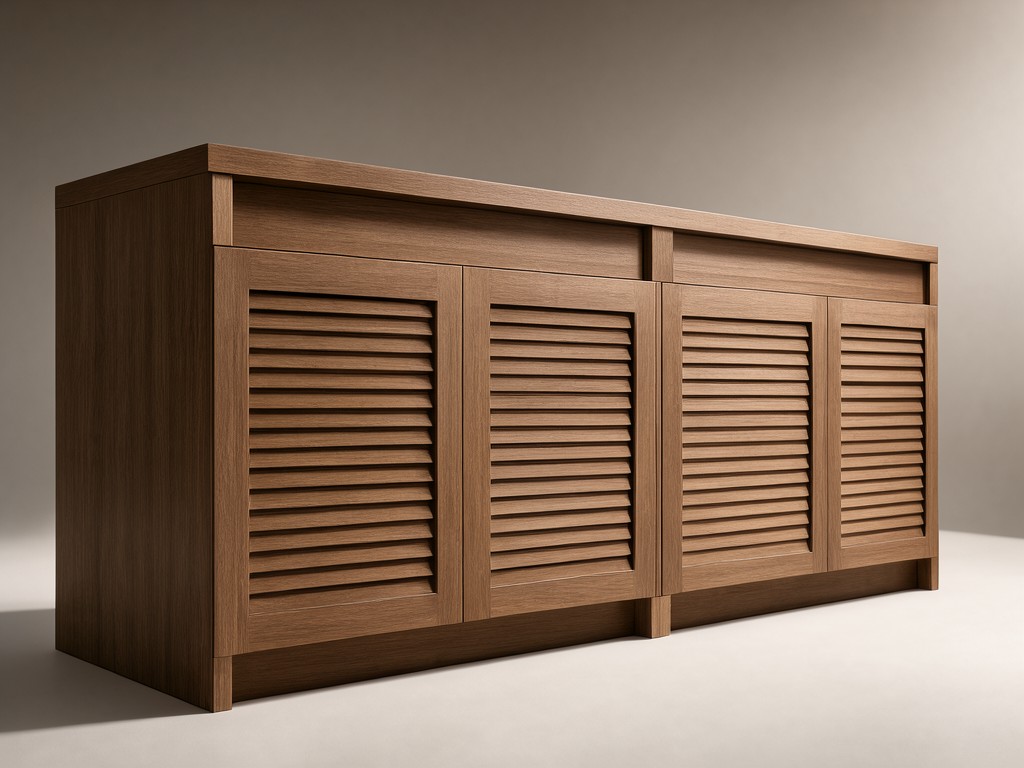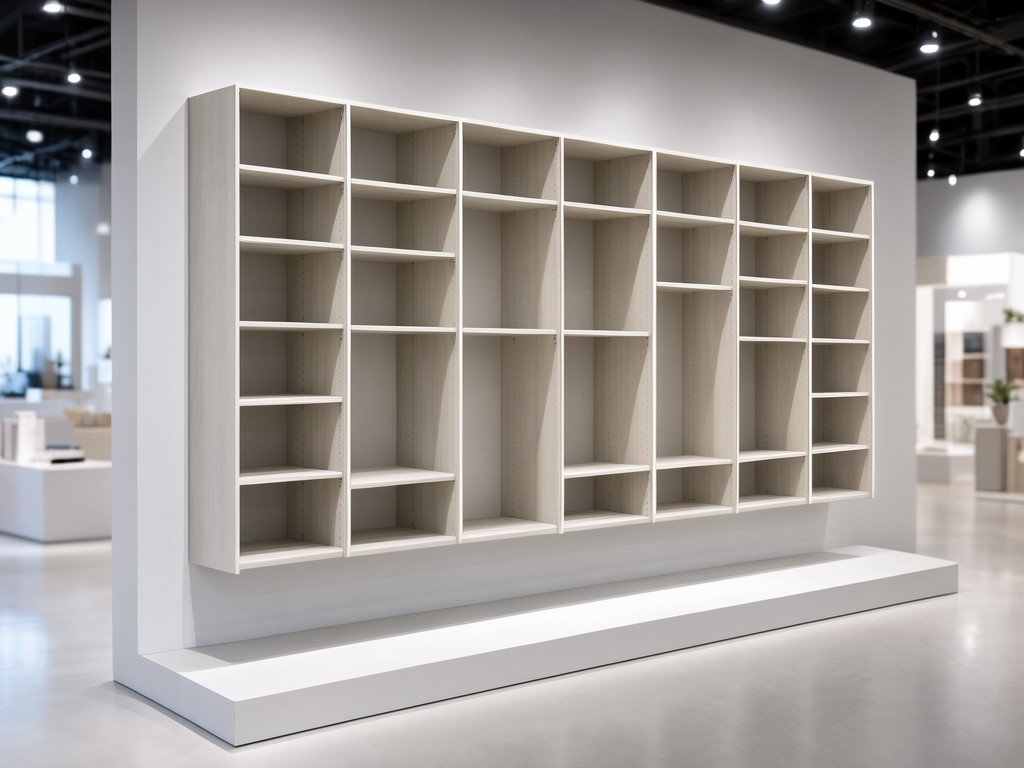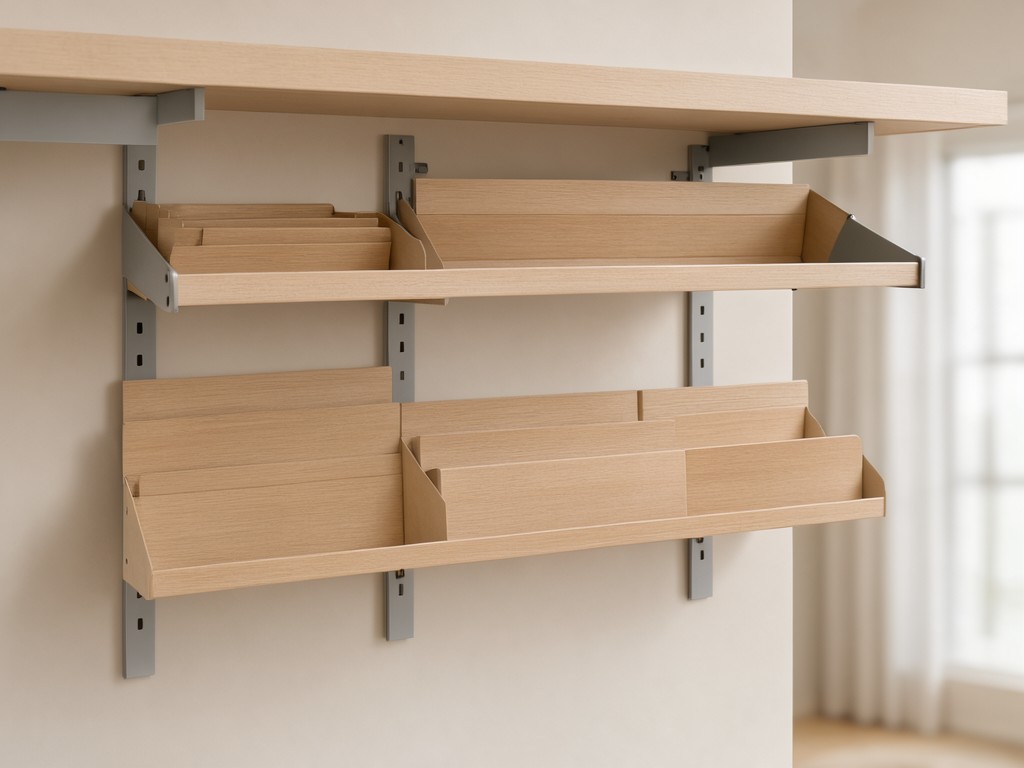
Specifying Bespoke Italian style full house storage furniture Solution for Wholesale and OEM Orders
Repeat loading drives the failure in full-house storage systems. A wardrobe carcass that passes a single static load test will warp within 18 months if the internal cross-bracing is insufficient to handle the dynamic stress of doors opening and closing against heavy hanging rails. When qualifying a second source to remove single-supplier risk, the limiting factor is rarely the headline specification of the face veneer; it is the internal structural integrity and the dimensional stability of the core panels under varying humidity.
Weight and stiffness trade off against each other in this category. Heavier, denser cores provide better screw retention for handles and soft-close mechanisms but increase freight costs and make installation labor more expensive. Lighter, engineered cores reduce shipping volume but risk pull-out failure if the board density drops below a certain threshold. The decision rule for procurement is not to choose the cheapest panel, but to specify the exact screw retention force required for the heaviest anticipated shelf load, ensuring the core material meets that mechanical requirement without over-engineering the non-load-bearing surfaces.
Specification Range and Customisation Limits
| Parameter | Standard Range | Customisation Boundary |
|---|---|---|
| Core Panel Thickness | 16 mm (standard carcass), 18 mm (heavy-duty shelving) | Minimum 18 mm for spans exceeding 800 mm; 25 mm available for solid wood accents only |
| Edge Banding Material | 0.4 mm PVC, 1.0 mm ABS | Solid wood edging (2-4 mm) available for premium lines; increases cost by 12-15% |
| Finish System | Melamine, Post-form, Lacquer | Hand-rubbed lacquer requires 30% longer lead time; limited to 400 units per color run |
| Dimensional Tolerance | ±0.5 mm (cNC cut parts) | ±0.2 mm available for frame-and-panel joinery; adds 8% to processing cost |
The table above defines the operational boundaries for mass production. Moving beyond the 800 mm shelf span without increasing core thickness to 18 mm or adding internal stiffeners will result in visible deflection after 12 months of normal use. Buyers frequently request 12 mm panels for side panels to save on freight volume, but this reduces the available drilling surface for hardware mounts. If the design requires multiple hanging rails or deep drawer units, the 16 mm minimum is a structural requirement, not a suggestion. Deviating from this baseline to save 2 mm of board thickness often leads to increased returns due to sagging shelves or loose hardware, which costs more in logistics and customer support than the initial material savings.
Finish selection also interacts with customization limits. Melamine laminates allow for unlimited color runs with minimal tooling cost, but they chip if the edge is impacted. Post-form ABS wraps around the corner, protecting the edge but limiting the available texture range to pre-manufactured rolls. If the design calls for a specific grain direction that changes across multiple panels, hand-applied veneer or high-pressure laminate with matched grain is required. This process is slower and requires manual quality checking on every unit, capping the monthly output for that specific SKU.
Assumptions Buyers Should Stop Making
Common Complaint Pattern: Edge banding delamination at high-humidity joints. Cause: Using 0.4 mm PVC banding on 18 mm thick panels without adequate adhesive curing time. The expansion rate of the core exceeds the elastic limit of the thin PVC, causing the bond to fail at the corner radius.
One of the most frequent failures in wholesale Italian-style furniture is the separation of edge banding from the panel face, particularly at 90-degree corners. Buyers often assume that all edge banding performs identically, but the thickness of the banding material determines its ability to conform to the panel's expansion and contraction. Thin PVC bands (0.4 mm) are rigid and prone to cracking or lifting if the panel moves due to humidity changes. Thicker ABS bands (1.0 mm or greater) have more elasticity and maintain a stronger bond, but they are more expensive and harder to color-match to specific veneers.
Another persistent misconception is that "Italian style" implies a specific manufacturing process. It refers to the aesthetic: clean lines, minimal hardware, and precise joinery. The internal structure can be constructed from cost-effective engineered wood or expensive solid wood. However, the joinery method must match the material. You cannot use traditional mortise-and-tenon joints in particleboard; it will fall apart under load. You must specify the correct hardware (cam locks, dowels, or screws) for the chosen core material. Mixing joinery types without specifying the correct fasteners leads to weak assemblies that fail during transport or initial installation.
Finally, buyers often overlook the impact of panel thickness on the overall unit weight and shipping container load. A full-house solution involves dozens of large panels. Reducing thickness from 18 mm to 16 mm saves significant weight per cubic meter, allowing more units to fit in a 40ft container. However, this savings is only valid if the 16 mm panel can structurally support the intended load. If it cannot, the buyer ends up with a product that is cheaper to ship but expensive to replace. The correct approach is to calculate the maximum static load for each shelf and drawer, then select the thinnest panel that meets that load requirement with a 20% safety factor.
Customisation Options and Their Limits
Standardized Hardware Integration
Uses industry-standard cam locks, euro slots, and soft-close hinges. This option allows for fast assembly and easy replacement of parts. The limit is that the hardware must fit within the standard drilling patterns. Custom drawer depths or non-standard door widths require re-designing the drilling templates, which adds 10-14 days to the production lead time.
Bespoke Joinery & Accents
Includes solid wood inlays, custom cutouts for lighting, and non-standard dimensions. This option offers unique design differentiation but introduces significant variability. Each custom cut requires manual inspection. The limit is that production speed drops by 30-40%, and the minimum order quantity (MOQ) per unique component increases to 50 units to justify the tooling and setup costs.
The trade-off between standardized and bespoke options is not just about cost; it is about supply reliability. Standardized hardware and joinery allow for parallel processing. Multiple CNC machines can work on the same part without conflict. Bespoke components often require sequential processing: cut, then finish, then drill, then assemble. If one step is delayed, the entire unit is held up. For a full-house solution involving 20+ different components, this sequential dependency creates a bottleneck that standardization eliminates.
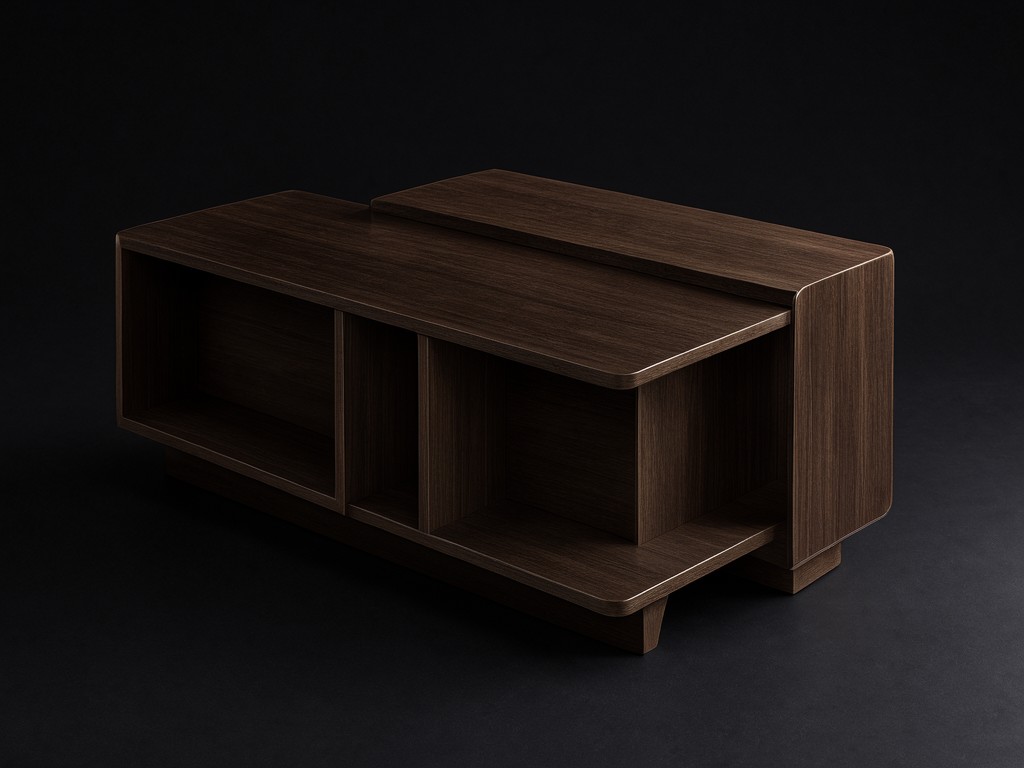
Color and finish customization also has hidden limits. While a factory can produce any RAL or Pantone color, the consistency of that color across different panel types (e.g., melamine vs. lacquer) is not guaranteed. Lacquer absorbs light differently than melamine, meaning the same color code will look different on the two materials. If the design mixes finishes, you must specify a physical sample approval for each combination. Skipping this step leads to color mismatch complaints that are subjective and difficult to resolve post-shipment.
What Gets Checked Before Shipment
Inspection is not a formality; it is the last line of defense against structural failure. For a full-house storage solution, the critical checks focus on dimensional accuracy and surface integrity. Every carcass panel is measured for width and height against the drawing with a tolerance of ±0.5 mm. Any deviation beyond this tolerance means the unit will not assemble correctly, or the doors will not close flush. This check is automated for high-volume orders but requires manual verification for bespoke dimensions.
- Edge Banding Integrity: Each panel edge is inspected for gaps, bubbles, or peeling. A gap wider than 0.5 mm is considered a defect because it allows moisture to penetrate the core, leading to swelling and warping.
- Drilling Accuracy: The position of every hole is checked against the drilling template. A 1 mm offset in a cam lock hole can prevent the panel from seating correctly, causing misalignment of the entire door assembly.
- Surface Defects: Lacquered surfaces are inspected under UV light to reveal micro-scratches or dust inclusions that are invisible under normal lighting. These defects become visible as white marks after a few weeks of use.
- Hardware Functionality: All hinges, slides, and handles are installed and cycled 10 times to ensure smooth operation. Any sticking or binding is rejected, as it indicates a manufacturing error in the panel flatness or hardware fit.
The most overlooked check is the flatness of large panels. A 16 mm panel that is warped by even 1 mm across its width will cause the entire unit to sit unevenly on the floor. This is particularly problematic for floor-standing cabinets. The factory uses a straightedge to check for warp, and any panel exceeding 1.5 mm of deviation across its longest dimension is rejected. This check is labor-intensive and adds to the cost, but it is the single most effective way to prevent customer complaints about "wobbly" or "uneven" furniture.
Packing, Marking and Freight Configuration
| Packing Component | Specification | Purpose |
|---|---|---|
| Inner Packaging | PE film wrap per panel, corner protectors on edges | Prevents scratch damage during handling and moisture ingress |
| Outer Carton | 5-layer corrugated cardboard, double-walled for large units | Provides compression strength for stacking in containers |
| Palletization | Euro-pallets, shrink-wrapped, max stack height 1.8 m | Optimizes forklift handling and container cube utilization |
| Marking | Barcode, SKU, Quantity, Fragile label, "This Side Up" icon | Ensures correct sorting and prevents damage from improper handling |
Freight configuration is a direct cost driver. A full-house solution typically generates 10-15 cartons per unit. The arrangement of these cartons on a pallet determines how many units fit in a 40ft high-cube container. Poor packing can waste 10-15% of the container volume, effectively increasing the freight cost per unit by the same percentage. The factory should provide a packing list that shows the exact dimensions and weight of each carton, allowing the buyer to calculate the maximum cube utilization. If the buyer's logistics team can stack the cartons more efficiently than the factory's default arrangement, they should specify this in the order.
Marking is critical for reverse logistics. If a unit is damaged in transit, the buyer needs to identify exactly which components are affected to claim insurance or request replacements. Generic marking ("Furniture, 10 pcs") is useless. Each carton must be clearly labeled with the specific component name, quantity, and the unit serial number it belongs to. This allows for partial replacement without shipping the entire unit back. It also helps the installation team, who can verify that all components are present before starting assembly.
Care, Storage and Service Life
The service life of a bespoke Italian-style storage solution is determined by how well it maintains its dimensional stability and surface integrity over time. The core materials are engineered to resist warping, but they are not immune to extreme environmental conditions. Prolonged exposure to direct sunlight can fade the finish and cause the wood to expand, leading to swelling at the joints. Buyers should specify a UV-resistant topcoat if the furniture will be placed near large windows or in outdoor-adjacent areas like conservatories.
Cleaning instructions must be clear to prevent user-induced damage. Lacquered surfaces require only a damp cloth; harsh chemicals or abrasive pads will strip the finish. Melamine surfaces are more resistant but can be permanently stained by strong dyes or inks. The user manual should explicitly state what cleaners are approved. Providing a simple care guide with the product reduces the likelihood of accidental damage and supports the brand's reputation for durability.
Storage in transit also affects the final condition of the product. If the cartons are stacked too high or in a wet environment, the inner panels can absorb moisture, leading to swelling even after the packaging is opened. The factory should specify the maximum storage duration and conditions for the cartons. Ideally, the goods should be shipped within 30 days of packing. If longer storage is required, the buyer should ensure the warehouse is dry and well-ventilated.
For wholesale buyers, the service life expectation is a key metric for repeat ordering. A product that lasts 10 years with minimal maintenance will generate higher customer loyalty than a product that fails after 2 years, even if the initial price is lower. The factory should provide data on the expected lifespan of the core components, particularly the hinges and slides, which are the most likely points of failure. Replacing these parts should be straightforward, with spare parts available for at least 5 years after the initial order.
Specification Review CTA: To remove single-supplier risk, you need a second source that can match your exact specifications, not just approximate them. We invite you to submit your technical drawings and bill of materials for a formal specification review. Our engineering team will audit your current specs for potential failure points, suggest cost-optimizing alternatives that maintain performance, and provide a sample lead time that fits your production schedule. Request a Specification Review today to qualify our factory as your secondary source.