affordable exterior wall cladding for villa solution: Specification, Ordering and Quality Notes
Process choice shows up later as variation in panel dimensions, edge condition and coating appearance. For villa projects, autoclaved fiber-cement boards offer a practical balance of material cost and exterior serviceability when the specification also accounts for the support frame, drainage cavity and weather barrier behind the cladding.
Importers seeking fewer repeat-order claims should approve the complete visible and installable specification before production: panel profile, nominal dimensions, edge detail, finish, fixing layout and protective packing. A board sample alone does not confirm how the façade will look or drain once installed.
What the Design Has to Balance
Wind-driven rain, sun exposure and movement at joints shape the cladding specification. Fiber-cement boards form the outer finish, not the building’s sole water-control layer. The wall behind them needs a suitable weather barrier, correctly detailed flashings and a route for incidental moisture to drain.
A thinner or simpler panel can lower purchase cost, but it may restrict fixing positions or increase the chance of handling damage. Heavier boards add material and freight cost. Agree panel dimensions and the approved fixing method against the project drawings, then assess the installed appearance on a representative mock-up, especially at corners, openings and changes in façade plane.
Approval rule: Treat the signed drawing, retained finish sample and agreed tolerance schedule as one reference set. A change to any one of them can alter fit, façade appearance or installation time.
Materials and Construction Trade-offs
Autoclaved fiber cement combines cementitious material with reinforcing fibers. Board density, thickness, cut quality and coating system affect handling, fastener choice and delivered cost. Confirm the proposed board construction with the factory rather than relying on a generic product name.
Choose the Finish Against the Maintenance Plan
Factory-applied coatings provide a controlled finish before shipment and suit projects that need consistent colour across a batch. The coating adds cost and requires agreement on sheen, colour reference, exposed edges and repair approach. Site-applied finishes may simplify the panel purchase, but place more control over surface preparation and final colour on the installer.
For either route, settle cut-edge treatment, joint width and sealant compatibility in the installation details. Boards that arrive with chipped corners or poorly protected faces can create avoidable sorting and touch-up work at the building site.
Assumptions Buyers Should Stop Making
A frequent source of returns is a mismatch between the approved sample and the order description. “Same colour” is not a complete control if the coating sheen, surface texture or batch reference is missing. Retain an approved sample and have the purchase specification identify the finish reference and acceptable appearance variation.
Another costly assumption is that cladding boards correct an inadequate wall assembly. They do not replace project-specific flashings, cavity design or movement joints. Ask the installer or project designer to confirm those details before the factory cuts panels or prints labels against a final quantity.
Finally, sample approval does not automatically approve production tolerances. Record the target dimensions, measurement points and allowable variation in the order documents; otherwise, the buyer and factory may judge the same shipment by different references.
What Can Be Customised and What Cannot
Start with the factory’s available board formats and finish range, then use the project drawings to narrow the order. The decision sequence below helps protect the approved specification from late changes that can affect yield, tooling or packing.
- Confirm the base board format and thickness with the supplier. If the required panel size falls outside the available format, review cutting yield and edge handling before approval.
- If standard formats suit the elevations, lock the cut schedule and dimension tolerances.
- If custom cuts or routed profiles are needed, approve a first article and confirm that the edge finish matches the installation detail.
- Select the surface finish and colour using a physical sample. Confirm sheen and visible texture under the project’s expected lighting, then retain the approved reference for batch comparison.
- Approve the installation drawing, including joint locations, corner treatment, openings and fixing positions. Changes after approval may require revised cuts and a new quantity check.
- Check the final order quantity against the cutting plan and site allowance. Carton labels, pallet marks and any brand artwork can be agreed separately from the panel construction.
Custom colour, profile and cut dimensions depend on the supplier’s production capacity and order volume. Board chemistry and the base manufacturing process are not buyer-selected variables once a specific product has been approved; request a different construction if the project needs a different board type.
Quality Control and Batch Consistency
Repeat-order claims often begin with a small difference that becomes visible across a large façade: panel dimensions drift, edge quality changes, or a coating shade varies from the approved reference. Agree inspection points before the first production run, and apply the same measurement method to later orders.
First-article tooling determines whether a routed edge or non-standard cut can be reproduced cleanly. Approve that first article against the drawing before volume production. For coated boards, keep the finish sample and identify the batch on internal production records so any reported variation can be traced to the relevant run.
Document deviations rather than accepting them informally. A controlled concession should state the affected quantity, the difference from the approved specification and the buyer’s written disposition.
Inspection Items and Test Methods
Use the approved drawing and sample as the inspection basis. The checks below are practical factory and pre-shipment controls; project-specific acceptance limits should be agreed before the purchase order is released.
| Inspection item | Factory check | Buyer control point |
|---|---|---|
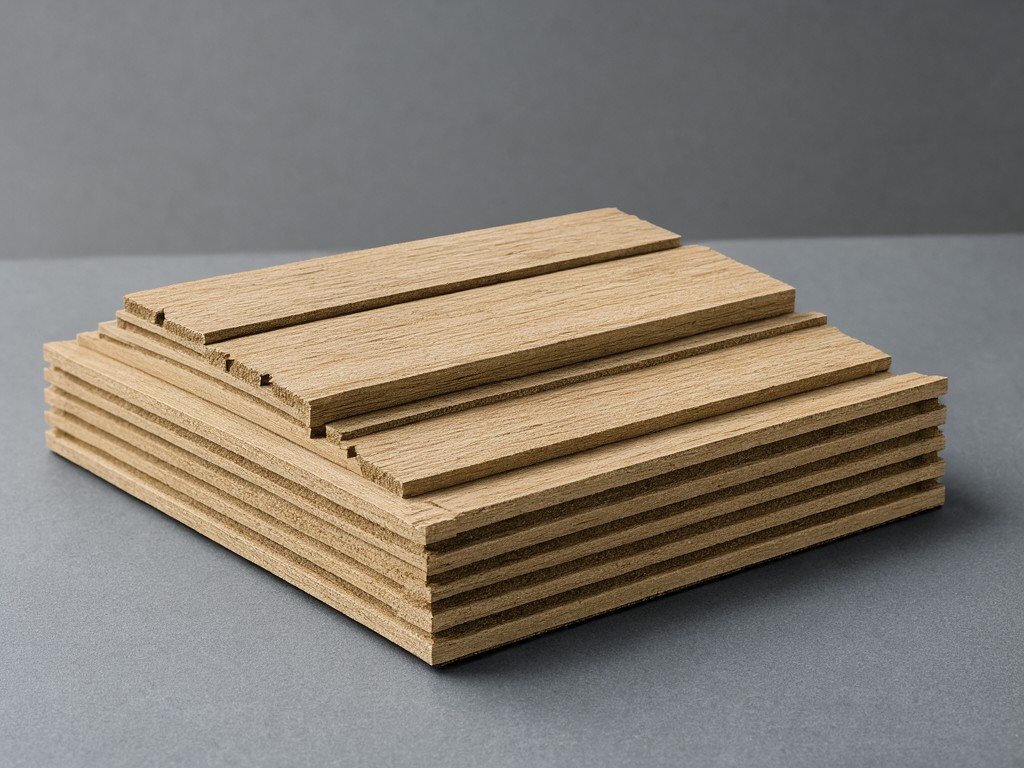
| Panel dimensions and squareness | Measure length, width and diagonal at the agreed points with suitable measuring tools. | Compare results with the approved drawing and stated tolerances. |
| Face and edge condition | Inspect for cracks, chips, coating marks and uneven cut edges under consistent viewing conditions. | Use the retained sample and agreed visual acceptance criteria. |
| Finish and colour | Compare coating appearance with the approved finish sample; check that the agreed sheen and surface texture are present. | Review panels in a representative light condition and record any acceptable variation. |
| Fixing details and first article | Check cut-outs, routed details and fixing positions against the approved production drawing. | Approve a first article before the factory proceeds with the full quantity. |
| Packing and shipment condition | Check separators, edge protection, pallet stability and carton or pallet identification. | Confirm the packing plan suits the handling route and unloading equipment at destination. |
Volume Planning and Lead Time
Custom colour, routed profiles and non-standard cuts can extend preparation because the factory must confirm material availability, cutting yield and sample approval before scheduling volume production. Standard board formats with an established finish generally need fewer approval steps, but production timing still depends on the ordered quantity and the supplier’s current schedule.
For repeat orders, send the approved drawing, finish reference, tolerance schedule, packing requirements and artwork files together. Request written confirmation of the production window after sample sign-off rather than basing a shipment date on an unapproved draft.
Share the project quantity by panel type and elevation. That allows the supplier to review cutting plans, reduce unnecessary offcuts and flag any low-volume custom profile before the order is placed.
Care, Storage and Service Life
Store boards flat on a dry, level support with edges protected from impact. Keep packs covered from direct weather exposure while allowing the storage area to remain dry; trapped moisture and rough handling can damage surfaces before installation. Follow the supplier’s handling instructions for lifting and cutting, and use suitable dust controls during fabrication.
After installation, service life depends on the whole wall assembly, local exposure, coating system and maintenance practice. Keep drainage paths clear, inspect sealant and flashing details as part of building maintenance, and repair coating damage with a compatible system. The project designer or installer should confirm the wall build-up and fixing details for the site conditions.
Review the Specification Before Ordering
Send the façade drawings, panel schedule, approved finish reference and proposed carton or pallet artwork for a pre-production review. Confirm dimensions, tolerances, sample status and branding details in writing before the order enters production.
Request an artwork-and-branding review alongside the technical drawing check to align panel identification and shipment marks with your receiving process.