Specifying wholesale modern italian bathroom vanity furniture company for Wholesale and OEM Orders
Choose the cabinet substrate and finish as a matched system: moisture-resistant board with a properly sealed surface suits many dry, ventilated bathrooms, while plywood or other specified substrates may be preferable where exposure and installation conditions demand them. Basin fit, edge sealing and carton protection affect the cost of each unit that reaches sale.
During a private-label launch with a fixed ship date, a vanity that looks right in a sample can still create losses if its basin cut-out, drawer clearance or finish shifts across the production run. For importers and procurement teams, the useful specification is the one that holds the approved appearance and installation fit from first container to reorder.
Design Constraints Behind the Specification
In a bathroom with frequent splash and limited ventilation, unsealed panel edges are a common point of swelling. Specify edge treatment, joint sealing and the intended installation environment together; a decorative face finish cannot protect a raw cut-out or an exposed cabinet underside.
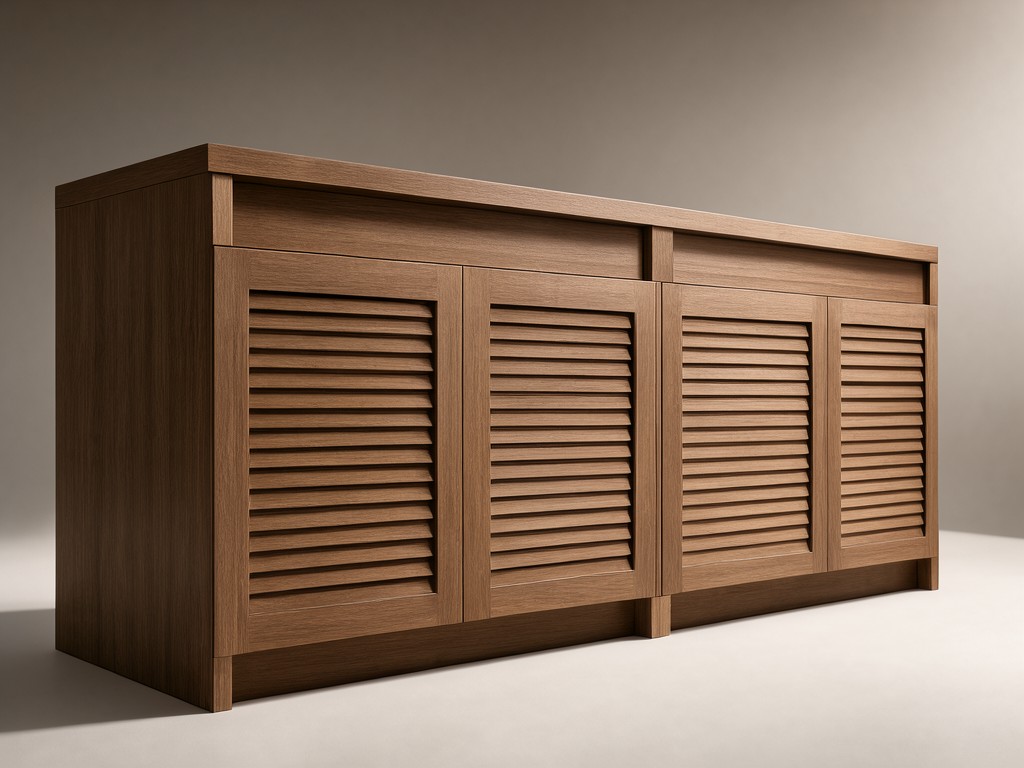
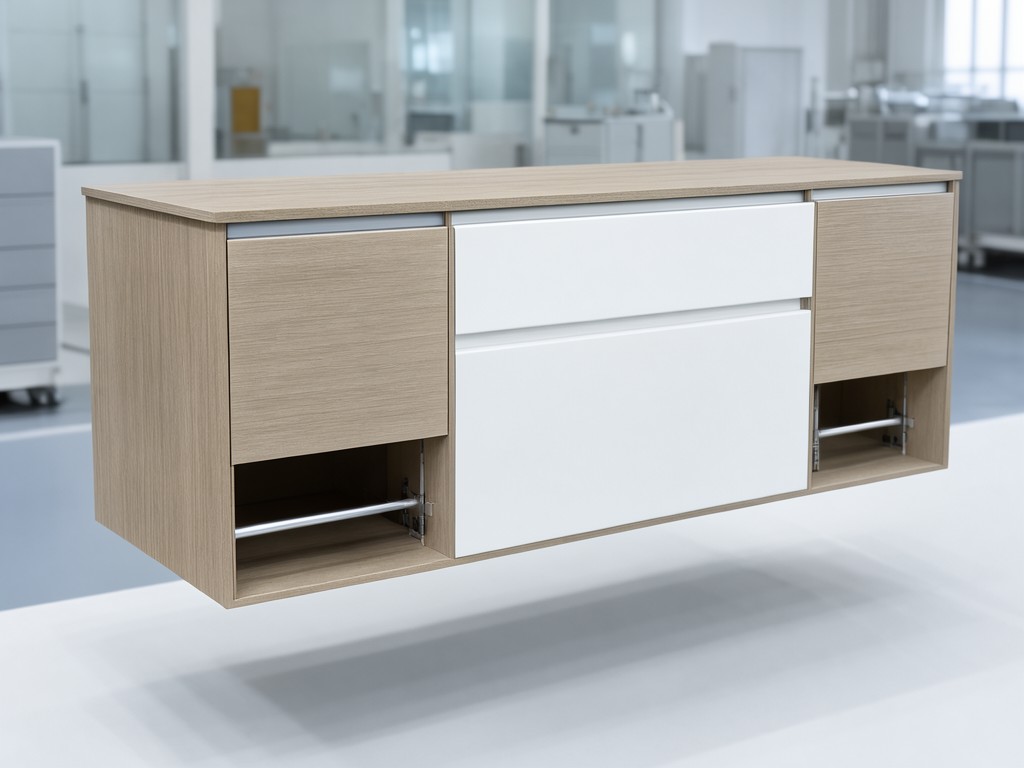
Modern Italian-inspired ranges often pair flat-front doors, restrained hardware and a compact cabinet profile. Those details affect production: handleless fronts need consistent gaps and accurate alignment, while integrated or vessel basins require a confirmed top depth, tap position and plumbing clearance before machining begins.
Lacquer, melamine-faced panels and wood veneer each create a different balance of appearance, repairability and cost. Veneer brings natural variation that buyers must accept within an agreed sample range; lacquer depends on controlled application and cure; a faced panel offers a more repeatable surface but limits some edge and profile treatments.
How It Performs in Use
Daily wiping exposes weak points sooner than occasional showroom handling. Abrasive pads can dull a coated front, and harsh or unsuitable cleaners may mark the finish; care guidance should match the selected surface rather than promise resistance to every bathroom chemical.
Repeated humidity changes can affect panel stability and door alignment, especially where water reaches an unfinished edge. A cabinet intended for a humid room needs sealed edges and joints, stable hardware fixing points, and installation instructions that keep the unit clear of standing water. Direct sunlight can also shift some colours over time, so samples should be reviewed under the expected lighting where sun exposure is likely.
Factory checks can compare cabinet dimensions, door gaps, drawer travel, basin and top fit, and visible surface defects against the approved sample. Agreeing these checkpoints before the order is released helps catch production drift before it becomes a batch-level return issue.
Where This Product Beats Standard Alternatives
For a retailer selling coordinated bathroom schemes, a defined vanity range can reduce mismatches between cabinet width, basin style, finish and hardware. OEM control over those details is useful when the goal is a consistent assortment rather than a one-off low purchase price.
Compared with an off-the-shelf cabinet, a made-to-order configuration can align plumbing access, drawer layout and branding with the target market. The trade-off is that custom dimensions or finish combinations may add setup steps, sample approval time or minimum order commitments. Standardised cabinet carcasses with a limited finish menu can retain much of the retail distinction without multiplying production variants.
The financial comparison should include damage, rework and reorder consistency, not only the factory unit price. A slightly higher specification may reduce claims if it protects exposed edges or prevents avoidable installation-fit problems.
How to Choose Before Requesting a Quote
Before comparing quotations, define the installation conditions and the sellable configuration. Supply the target cabinet dimensions, basin type, top material, tap-hole position, plumbing access, finish reference and hardware preference. If local plumbing layouts vary, provide a drawing that shows the required service clearances.
For finish approval, identify whether colour and grain should match a physical sample, a coded reference or a digital artwork file. A physical approval sample is usually the clearest basis for checking gloss, texture and veneer variation. Confirm which faces and edges must carry the finish, including drawer interiors and cabinet sides visible after installation.
Request the quote against the same bill of materials and packing configuration for every supplier. Otherwise, panel grade, included basin or top, hardware, assembly state and carton protection can differ while the quoted cabinet dimensions appear identical.
Working as a Production Partner, Not a Catalogue Supplier
When an approved design moves into OEM or ODM production, the controlled reference should include drawings, finish samples, hardware details and assembly instructions. Changes to basin sourcing, panel thickness, coating or handle position need review before the production file changes; small revisions can affect cut-outs, door clearances and carton dimensions.
A production partner can coordinate cabinet machining, edge banding, finishing, hardware installation and final assembly against that reference. For private-label orders, artwork placement, carton marks, product labels and assembly documentation should also be signed off in time for the packing run.
Ask how sample approval is recorded and how batch identification links finished units to the approved configuration. That record makes a later reorder easier to compare and gives both parties a practical reference if a fit or finish complaint arises.
Stock Availability and Reorder Planning
Moving from sample orders to container loads changes the cost calculation: a finish, hardware set or basin selected for one sample may have different availability at production volume. Confirm which components are standard stock, which are ordered to forecast, and which require a dedicated production run before setting a launch date.
A stable core range can support replenishment when cabinet sizes and finishes remain fixed. Limit optional colours and hardware variants if demand is uncertain; each added version can split purchasing volume and leave slow-moving stock behind. For repeat orders, retain the approved sample reference and record any material substitutions before manufacture.
Build sample approval, production scheduling, inspection and export booking into the sales forecast. The lead time should be confirmed against current component supply and order mix rather than copied from a previous run.
Export Packaging and Handling Protection
Transit damage often appears at corners, protruding handles, basin edges or unsupported cabinet panels. The packing plan should reflect the product's assembled or flat-pack state, the weight of any ceramic or stone component, and the expected handling route. Confirm carton marks and pack count before the buyer approves the final shipping configuration.
| Packaging point | Specification to confirm | Buyer benefit |
|---|---|---|
| Cabinet corners and faces | Corner protection, face separation and carton fit for assembled or flat-pack units | Fewer finish marks and edge knocks at receipt |
| Basin or countertop | Separate cushioning, immobilisation and handling orientation where required | Lower risk of impact damage to brittle components |
| Hardware and installation parts | Bagging, labelling and placement within the carton or assembly pack | Fewer missing-part queries during installation |
| Export carton and pallet load | Carton marks, units per pack, stacking arrangement and shipment labelling | Clear receiving checks and more predictable freight handling |
Confirm packaging against the final product dimensions and packed weight, not a preliminary drawing. Any change to the basin, cabinet assembly or hardware position can alter the carton and pallet plan.
Questions Buyers Ask Before Ordering
Can the same cabinet be supplied with different basins or tops?
Often, if the cabinet width, fixing points, tap position and plumbing clearance are compatible. Provide the basin or top drawing early so cut-outs and support details can be checked before sampling.
What should the approved finish sample cover?
Approve the colour, sheen, surface texture and any acceptable veneer variation. If the cabinet has exposed sides or finished interior components, include those surfaces in the sample review rather than approving the door face alone.
What affects the minimum order and production timing?
Order quantity depends on the chosen materials, finish setup, hardware and packaging. Custom colours, non-standard dimensions or dedicated artwork may add approval and preparation time; request a schedule after the complete configuration is confirmed.
Review the Specification Before Pricing
Send cabinet drawings, basin details, finish references, order mix and destination packaging requirements for a quotation review. A shared specification lets the production and procurement teams compare the same configuration, identify cost drivers and plan repeat orders against the approved version. Request a quotation review.