top quality premium modern bathroom vanity cabinet factory - Bulk Supply and Specification Guide
What This Product Is and Where It Fits
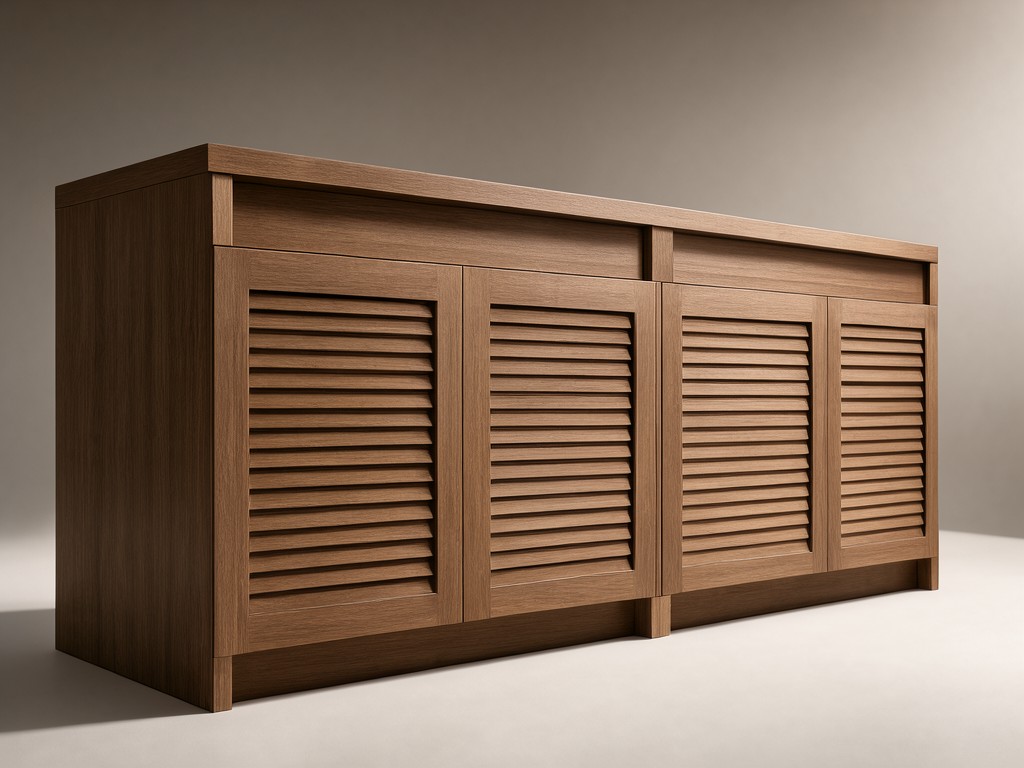
Material choice starts with the conditions the cabinet will meet. A bathroom vanity combines a carcass, drawer or door fronts, hardware, and a countertop interface; its substrate and edge protection determine how it handles routine humidity, cleaning, and occasional splashes. For OEM and retail programs, the factory typically uses CNC panel processing, edge banding, hardware drilling, and controlled assembly to keep dimensions repeatable across a shipment.
Moisture-resistant MDF supports smooth painted or wrapped fronts, while plywood offers stronger screw holding and better tolerance of local edge damage at a higher material cost. Neither substrate is waterproof. Sealed edges, protected sink cutouts, and a clear installation requirement matter because water that reaches an exposed panel edge can cause swelling or finish lift. Cabinet dimensions, wall-hung or floor-standing construction, plumbing clearance, and top compatibility should be frozen before production tooling and packaging are confirmed.
Option Comparison by Usage Level
| Construction option | Typical fit | Cost and service trade-off |
|---|---|---|
| Moisture-resistant MDF carcass with sealed edges | Retail ranges with painted or foil-finished panels and controlled indoor use | Usually supports a smooth finish at a moderate cost. Edge damage or an unsealed plumbing cutout can expose the core to moisture. |
| Plywood carcass with sealed panel edges | Higher-use programs, wall-hung units, or ranges where fastener retention is a priority | Higher substrate cost buys stronger screw holding and a more tolerant panel core; veneer and core quality still need incoming checks. |
| Particleboard carcass with melamine surface | Price-led collections for dry, well-ventilated bathrooms | Keeps unit cost down and gives a consistent panel surface. Swelling risk rises if water enters joints or exposed edges. |
Hardware and finish choices also affect landed cost and warranty exposure. Soft-close hinges and drawer runners add component cost but can reduce impact at closure; confirm load expectations and cycle requirements with the supplier before finalizing the bill of materials. A durable surface does not compensate for poor edge sealing or incorrect installation clearances.
Requirements by Buyer Segment
For a launch tied to a retail date, approve the substrate, finish sample, hardware set, and carton configuration as one controlled package. A late change to any one of these can alter panel dimensions, assembly sequence, or freight volume.
OEM Buyer
Lock the panel specification, hardware model, drilling pattern, and approved color reference before the production order. A signed sample and revision-controlled drawing reduce the risk of mixed configurations in replenishment batches.
Retail Buyer and Brand Product Manager
Confirm SKU dimensions, finish naming, hardware presentation, assembly instructions, and retail carton marks early. If the assortment includes several widths or colors, specify whether cartons, labels, and protective inserts vary by SKU.
For both groups, define acceptable cosmetic variation on the visible faces and edges. A small color shift between panels can become conspicuous after assembly, especially across adjacent doors and drawer fronts. Retain an approved reference sample for production comparison.
How Consistency Is Held Across Batches
| Reference dimension | Common range for planning | Production note |
|---|---|---|
| Cabinet width | 600–1200 mm | Confirm actual SKU widths and plumbing position from the approved drawing. |
| Cabinet depth | 450–550 mm | Check basin and countertop overhang against the finished cabinet depth. |
| Cabinet height | 450–600 mm for many vanity units | Wall-hung and floor-standing formats require separate dimension references. |
| Carcass weight | Approximately 20–55 kg across common widths | Indicative cabinet-only range; countertop, basin, and hardware configuration change the shipped weight. |
These ranges are for early planning, not production tolerances. Approved drawings set the inspection points for overall dimensions, diagonal square, hole position, edge-band coverage, and door or drawer alignment. Incoming panel checks catch thickness and surface variation before machining; in-process checks verify drilling and fit, while final inspection covers finish marks, hardware operation, and carton contents.
A defect that escapes inspection can cost more than a lower-cost substrate saves: replacement freight, installation labor, and retailer claims can exceed the original unit-price difference. Batch records tied to material lots, finish references, and inspection results help isolate a problem without holding unrelated SKUs.
Keeping Repeat Orders Supplied
Freeze the Specification
Keep approved drawings, finish references, hardware details, and packaging files revision-controlled for each SKU.
Plan Long-Lead Inputs
Confirm substrate, finish, hardware, and countertop-interface availability against the required ship window before order release.
Protect the Reorder Window
Share forecast timing and SKU mix early; mixed colors or nonstandard widths may need separate material planning and carton preparation.
Finished-goods stock depends on the selected dimensions, finish, and sales forecast, so confirm availability rather than assuming a standard vanity is ready to ship. For made-to-order programs, the launch schedule should include sample approval, artwork sign-off, production, inspection, and export packing. A change after sample approval can reset part of that sequence.
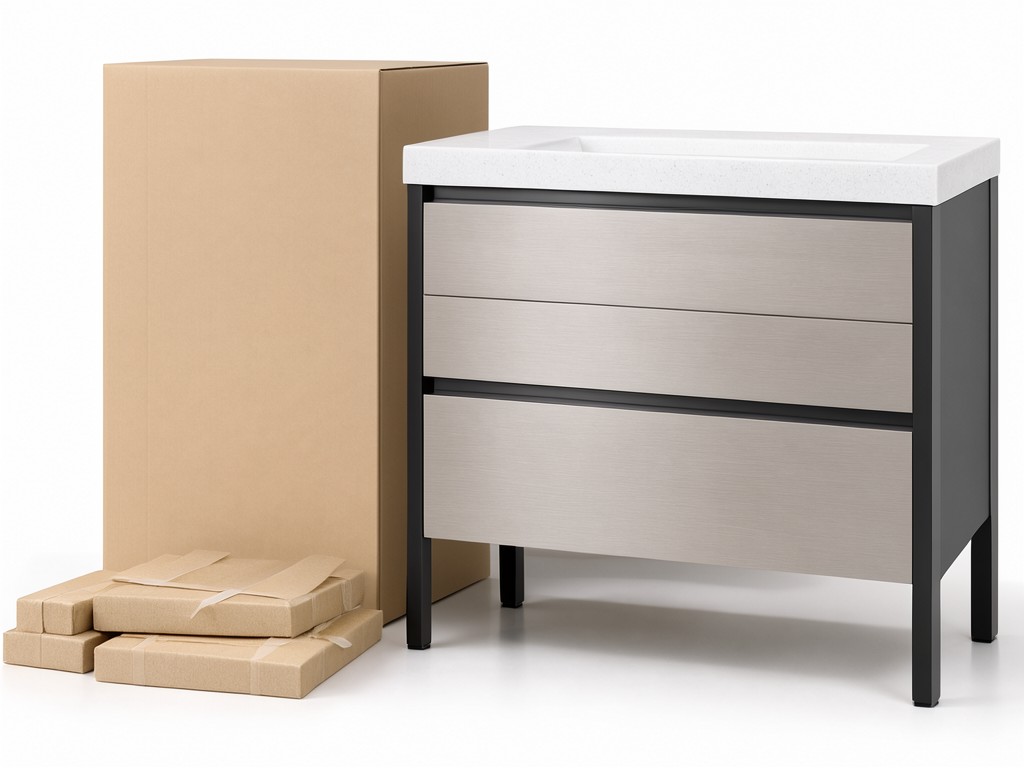
Flat-pack cartons can reduce freight volume, while assembled units reduce the buyer’s installation work but need more protective packaging and cube space. Specify carton marks, assembly instructions, corner protection, and any retail labeling before the packaging sample is approved.
Send the target dimensions, preferred substrate, finish reference, hardware requirements, expected order mix, and launch date for an artwork-and-branding review. Discuss your vanity cabinet specification and supply schedule.