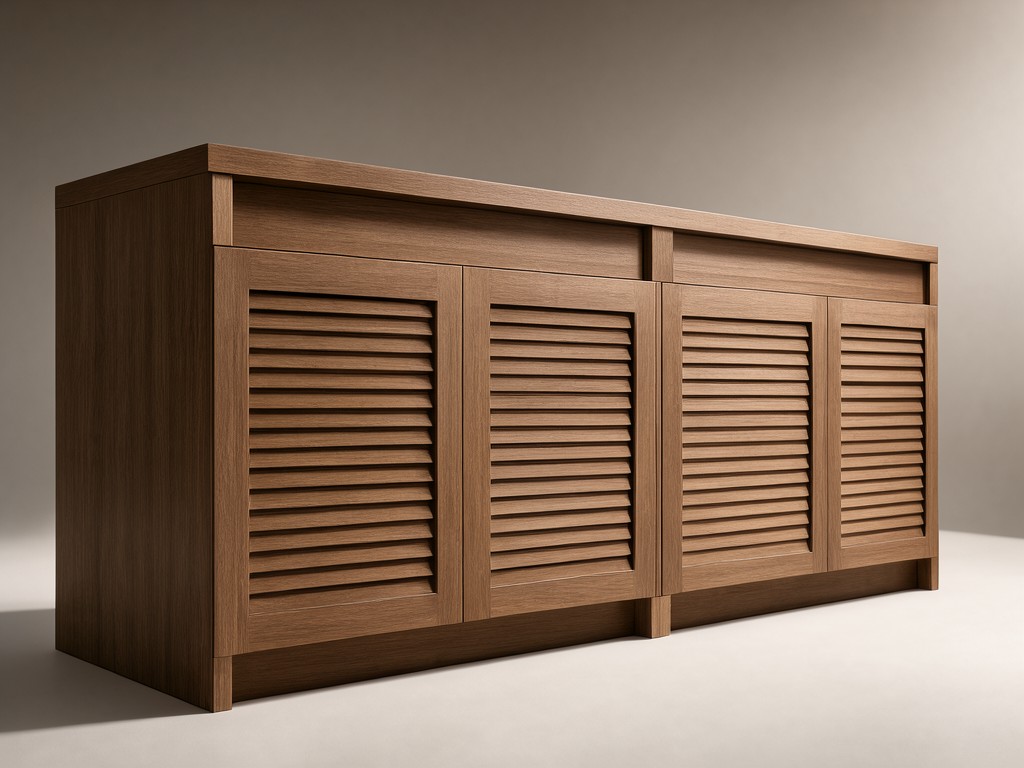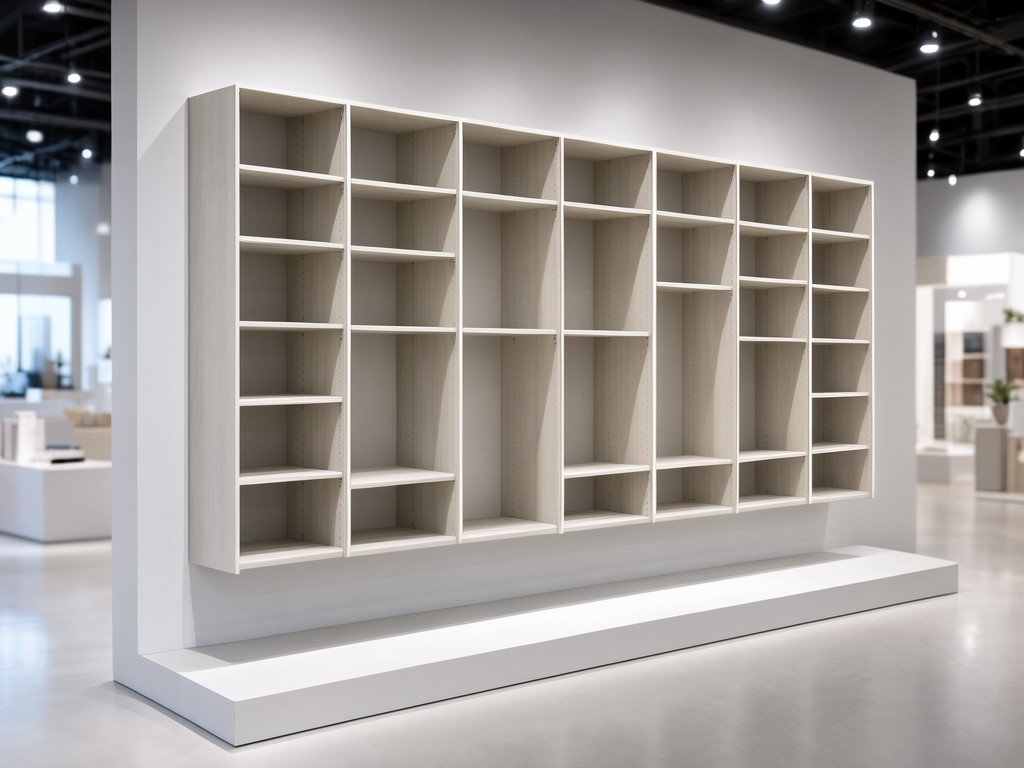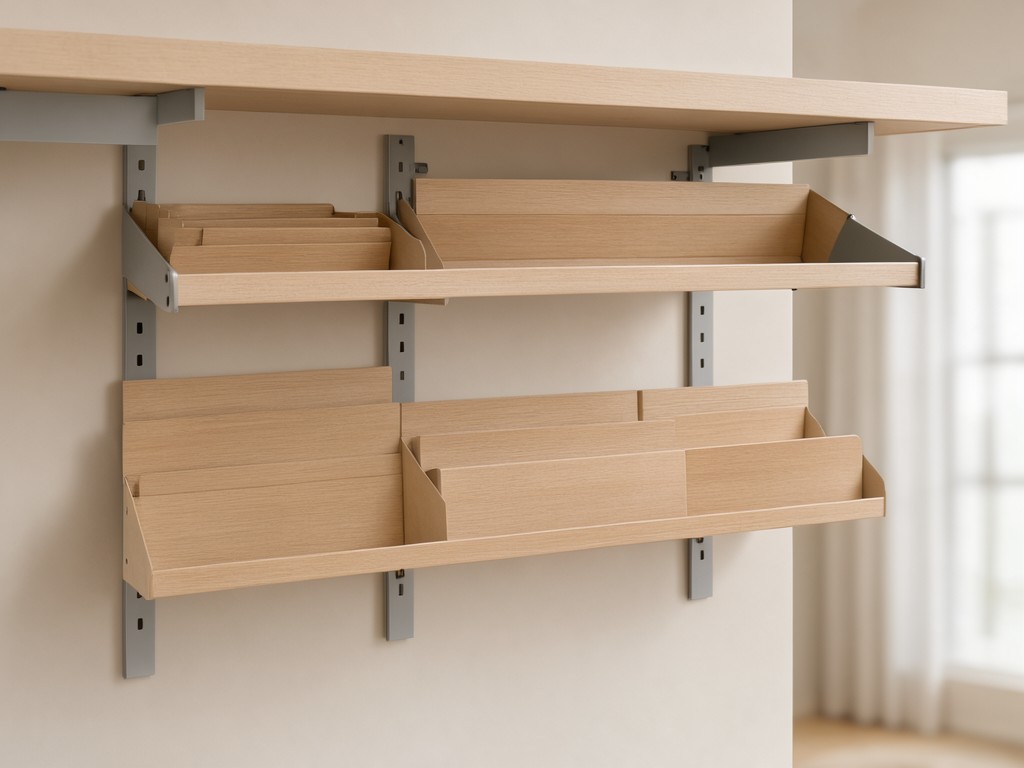
Main selection trade-off: solid wood gives buyers control over species, door construction and finish character, but it moves with changes in humidity. Agree the wood components, panel construction, finish system and inspection tolerances against an approved sample before placing a production order.
custom solid wood bathroom vanity cabinet factory: Specification, Ordering and Quality Notes
Moving from sample orders to container loads changes the main risk: a door or drawer front that looked acceptable in one sample can show a different grain pattern, colour or fit across a full batch. Solid wood also responds to bathroom humidity, so an agreed appearance cannot replace clear construction and dimensional requirements. Set the reference sample, allowable variation and packing method before approving the production run.
Where Cheaper Alternatives Fall Short
Low-cost offers often reduce price through thinner wood components, less controlled moisture conditioning or a finish schedule with fewer protective coats. Those choices can show up as uneven door gaps, cupping, finish wear near the sink, or visible differences between replacement fronts and the original order. Ask the factory to identify which cabinet parts are solid wood and which, if any, use a stable panel material; the description “solid wood vanity” alone does not define every component.
A lower quote may also assume standard dimensions and a factory-selected colour. If the project requires a specific basin position, plumbing clearance or stain match, changes made after sample approval can add cost and reset the production schedule. Compare offers against the same drawing, finish reference and hardware schedule rather than the headline unit price.
Where This Product Beats Standard Alternatives
A custom cabinet can hold a private-label programme’s chosen wood species, door profile, finish tone and exterior dimensions without forcing the buyer to redesign the whole product. That is useful when a retailer needs the same visual specification across several widths or wants a coordinated finish for a wider bathroom collection.
The benefit depends on disciplined sample control. Natural grain and colour vary, so define the acceptable range with a signed finish sample and representative wood selection; do not treat a digital colour value as a complete substitute. For wet-room service, specify suitable finish coverage and care instructions, while making clear that a wood vanity is not intended to remain wet or sit in standing water.
Option Comparison by Usage Level
Select the construction around the bathroom’s expected use and the retail price point. These are specification directions for quotation, not fixed factory grades; species availability, cabinet dimensions and finish requirements affect the final cost.
| Usage level | Typical specification direction | Buyer trade-off |
|---|---|---|
| Occasional-use guest bathroom | Standard cabinet layout, selected solid wood doors or frames, and a practical stain or painted finish. | Lower material and finishing cost; keep the specification focused on fit, clean finish coverage and transit protection. |
| Daily-use family bathroom | More explicit requirements for drawer hardware, door alignment, finish coverage near the basin and repeatable component dimensions. | Higher specification and inspection cost; better control of frequent opening, wiping and batch-to-batch appearance. |
| Hospitality or multi-unit project | Controlled dimensions across room types, documented finish references, replaceable hardware details and planned spare components. | More work before production approval; reduces installation mismatches and makes future replacement orders easier to define. |
Solid Wood Panels
Specify these when visible grain and material continuity carry the product story. Panel construction must allow for seasonal movement; rigidly trapping a wide panel can contribute to splitting or joint stress as humidity changes.
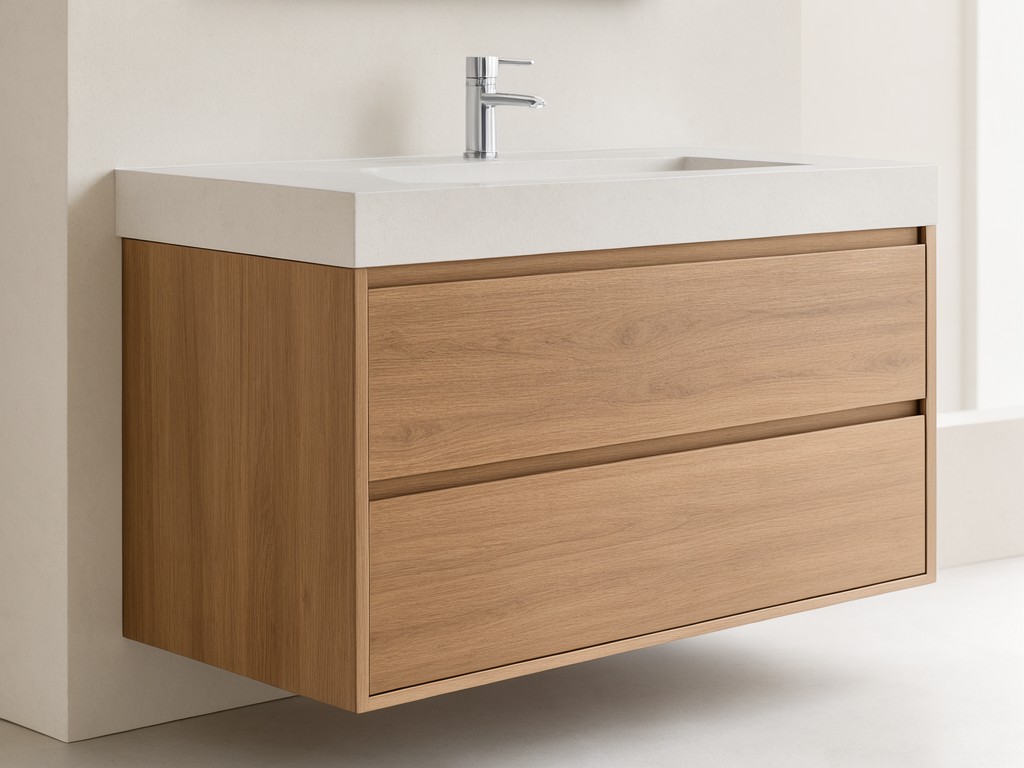
Stable Panel Inserts
Where a painted, wide or flat surface is the priority, an engineered insert can reduce visible movement. It changes the material claim and should be identified clearly in the product specification and buyer-facing description.
Buying Mistakes That Lead to Returns
A basin cutout or plumbing route that is absent from the approved drawing can turn an otherwise sound cabinet into an installation return. Provide the basin model or confirmed cutout dimensions, tap position, waste location, wall-hung or floor-standing requirement, and the site’s service clearances before production begins.
Another common dispute is treating the first sample as proof that every production unit will have identical grain. Approve the sample for construction and finish direction, then separately agree acceptable natural variation and any limits for visible knots, sapwood or colour contrast. Record those decisions in the purchase specification and retain the signed sample or an agreed reference set.
Finally, buyers sometimes confirm cabinet dimensions but leave the installation method, handle position or hinge swing open. Resolve these details on the drawing before tooling or batch cutting; a late change can affect more than one panel and may require new sample approval.
Customisation Options and Their Limits
Factories can usually quote adjustments to overall width, height and depth, drawer layout, door profile, wood species, finish colour, handles and hardware. Each change should be shown on a dimensioned drawing with a revision date; a verbal instruction or marked-up image can leave uncertainty about which version controls production.
Wood movement limits very wide solid panels and affects how doors are joined. If the visual design calls for broad flat faces, discuss frame-and-panel construction or a suitable stable insert rather than specifying a wide solid slab without reviewing the risk. Finish samples should use the intended wood species and preparation, since the same stain can read differently across species and grain.
Private-label marks, carton artwork, care labels and hardware packs can be included when supplied in production-ready form. Confirm artwork size, placement, colour reference, language and approval responsibility before the packaging sample is signed off. Changes after approval may affect the order schedule or require new packaging materials.
Usage Scenarios and Buyer Segments
Private-label bathroom brands often need a repeatable door profile and stain family across several cabinet widths. For these programmes, the factory needs a controlled specification pack with approved drawings, finish references and a method for identifying revisions on repeat orders.
Hospitality procurement teams may prioritize consistent installation dimensions, replaceable hardware and coordinated units across multiple rooms. Their quotation should account for room schedules, site-specific plumbing positions and the cost of retaining reference samples or approved finish records for replenishment.
Importers and distributors serving renovation retailers may favor a narrower option range that fits common basin sizes and can be packed for mixed-SKU shipments. A broader custom range can suit a design-led brand, but each additional size or finish creates another item to sample, approve, label and track.
What Gets Checked Before Shipment
Pre-shipment checks should follow the signed drawing and approved sample, not an informal visual judgment. Inspect overall dimensions, door and drawer gaps, alignment, hardware operation, finish coverage and visible surface defects. The inspection plan should state which units are measured and how nonconforming pieces are handled.
Check wood components for assembly condition and visible defects against the agreed appearance limits. Moisture readings can be recorded as part of the factory process, but buyers should agree the target range with the manufacturer for the selected species, construction and destination conditions; a single universal moisture figure does not suit every project.
Operate drawers and doors through repeated manual checks, verify that hardware is secured, and examine exposed edges and sink-adjacent surfaces for missed finish areas. Keep inspection records tied to the purchase order, production batch and approved specification so that a later reorder can be compared against the same basis.
Packing, Marking and Freight Configuration
Vanity cabinets need protection at corners, finished faces and protruding hardware. Agree whether units ship assembled or flat-packed, then confirm carton dimensions, internal supports, accessory separation and the protection method for drawer fronts. Assembled cabinets can reduce site work but occupy more freight space; flat-packed units can improve container use while adding assembly steps for the recipient.
Carton marks should connect each package to the buyer’s SKU, finish, size, purchase order and destination. For mixed loads, request a packing list that separates cabinet sizes and accessory cartons, and confirm whether retail labels or barcode artwork must be applied at the factory. Packaging artwork and marks should be approved before print production.
Before booking freight, confirm the shipping configuration against the final carton count and dimensions. A quotation based on an early sample carton may not reflect the packed production unit, particularly after adding corner protection or hardware packs.
Review the Quotation Against the Approved Specification
Send the dimensioned drawing, wood and panel breakdown, finish reference, hardware schedule, packaging requirements and target order quantity for a quotation review. If a sample already exists, include the approved sample details and list any changes that remain open; this gives the factory a clear basis for cost, sampling and production timing.
Request a quotation review before releasing the production order so that specification gaps can be resolved against the same drawing revision.