custom contemporary classic bathroom vanity suppliers - Bulk Supply and Specification Guide
Material choice starts with the conditions a vanity will meet: repeated humidity changes, splash exposure, cleaning products and the load from a basin and countertop. A cabinet built from moisture-resistant engineered board can offer controlled panel dimensions and a consistent painted surface, while plywood or solid-wood components may suit programs that need a different edge detail or visible grain. None of these choices removes the need to seal cut edges and protect joints; those details often determine whether swelling or finish damage appears after installation.
For a private-label buyer qualifying a second source, the risk is rarely limited to one visibly poor cabinet. Small changes in overall width, drawer alignment, paint tone or countertop overhang can make replenishment stock look different from the first shipment, complicate installation and increase returns. A useful supplier review therefore covers the approved construction and finish system, the measurement references used on the line, and how production records connect each batch to the approved sample.
How It Is Built and What That Changes
A typical custom program begins with a dimensioned cabinet drawing and material schedule. Panels are cut and drilled to the hardware layout, visible edges receive matching edge banding or solid lipping, and exposed faces move through the specified veneer, laminate or painted finish process. Assembly checks confirm that the cabinet is square and that drawer runners, hinges and basin clearances match the approved layout. Tops and basins can be specified as part of the set or sourced to the buyer’s chosen interface dimensions.
Engineered Board with Applied Finish
Consistent panel thickness and a smooth face support repeatable painted or laminated designs across a run. This route can control unit cost, but exposed edges, sink cut-outs and fixing points need suitable sealing. A damaged finish is also harder to blend locally than a replaceable door or front.
Plywood or Wood-Detail Construction
Plywood can suit cabinet areas where screw holding or a layered edge is part of the design; solid-wood details add a natural grain feature. These specifications usually raise material and finishing costs. Wood movement and grain variation also require agreed limits for appearance and fit.
Lock the cabinet dimensions, material grade, edge treatment, finish reference and hardware layout together. A change to any one can affect door gaps, drawer travel, countertop fit or the visual match between repeat orders.
Where This Product Beats Standard Alternatives
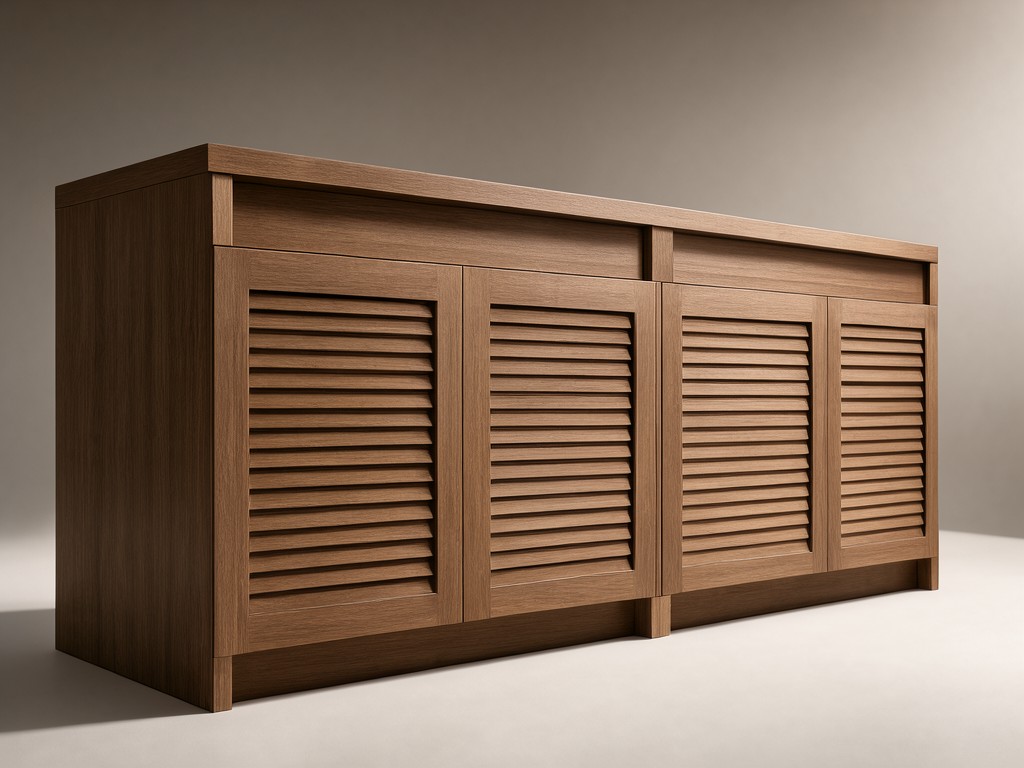
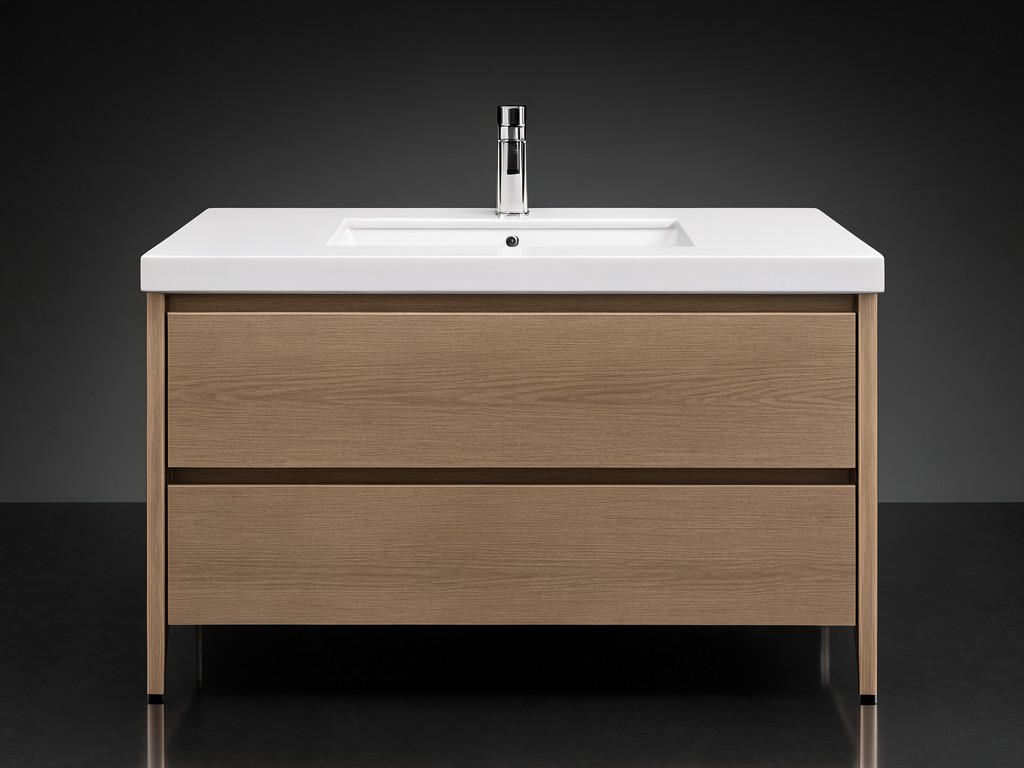
A custom contemporary classic vanity gives a brand room to combine clean cabinet lines with familiar details such as framed fronts, shaped hardware or a furniture-style base. That flexibility matters when a retail range needs a recognisable family look across several widths, basin positions or finish choices. It also lets the buyer resolve practical constraints—pipe location, wall clearance and storage layout—before the cabinet reaches the installer.
Compared with an off-the-shelf unit, customization costs more in drawing approval, setup and finish control. The return is a repeatable specification that can fit the intended market and sit beside other range items without relying on last-minute site alterations. Standard alternatives can still be the better buy for a single size with no range or branding requirements.
Working as a Production Partner, Not a Catalogue Supplier
For OEM and private-label orders, the useful starting point is a controlled product file rather than a catalogue code alone. It should identify the cabinet envelope, panel construction, finish samples, hardware, basin and top interfaces, branding location, and any market-specific installation notes. Where the buyer supplies a concept rather than production drawings, the supplier can develop the manufacturing drawing and sample for approval before bulk release.
- Confirm which dimensions are fixed and which may vary by market or basin choice.
- Approve a physical finish reference under agreed viewing conditions; screen colour alone is not a dependable paint or veneer match.
- Record approved hardware brands or functional equivalents, including runner length, hinge type and finish.
- Set revision control so an updated drawing cannot be confused with the version used for the previous order.
How Consistency Is Held Across Batches
Batch consistency begins before cutting. The production file should tie each cabinet size to the same datum points, hardware drilling positions and approved material schedule. If dimensions are checked from different edges or surface features, recorded results can look acceptable while the doors, drawers or countertop no longer align at installation.
Finish drift also has a direct commercial cost: a replacement door or later replenishment unit may stand out beside installed stock, even when each piece passes a casual visual check. Retained finish references, controlled material batches and side-by-side review help identify a shift before the full order is complete. For mixed-material designs, confirm how natural grain variation will be judged separately from an unintended stain or paint mismatch.
For second-source qualification, compare the supplier’s sample and first production article against one shared drawing and finish reference. Agree which deviations require buyer approval before production continues.
Inspection Items and Test Methods
Inspection limits should come from the approved drawing, sample and functional requirements for the specific vanity. A factory can check dimensions and operation with gauges and repeatable fixtures, then review appearance under consistent lighting. The acceptance basis belongs in the order specification; no general test method can replace agreement on finish shade, natural grain or permitted dimensional tolerance.
| Inspection Item | Factory Check | Release Basis |
|---|---|---|
| Cabinet size and squareness | Measure width, height, depth and diagonal references against the drawing. | Approved dimensions and stated tolerances. |
| Doors, drawers and hardware | Operate each front; check alignment, gaps, runner travel and hinge function. | Approved sample, hardware schedule and specified adjustment range. |
| Finish and visible edges | Review under consistent light for shade, coverage, surface defects and edge adhesion. | Signed finish reference and agreed appearance criteria. |
| Basin and top interface | Verify opening, support points, overhang and clearance against the selected components. | Approved component drawings and installation requirements. |
Volume Planning and Lead Time
Minimum order quantities depend on cabinet size, board and finish sourcing, hardware selection and the number of colourways. A shared cabinet construction with several door finishes can reduce setup repetition, although small finish lots may still carry a higher per-unit cost. Custom sizes, special veneers, integrated tops or non-standard hardware add approval and procurement steps.
Set the production schedule only after drawings, finish references and key components are approved. Sample development, material availability and buyer revision time all affect the committed date, so a second-source plan should include time for first-article review rather than treating it as bulk output. Forecasts for repeat orders help the factory reserve matching materials and reduce avoidable changes between lots.
Questions Buyers Ask Before Ordering
Can a cabinet be matched to a basin we already source?
Yes, if the supplier receives the basin drawing or sample, mounting details and required clearance. Confirm the cut-out or top interface before the production drawing is approved.
What should be approved to keep a later finish reorder consistent?
Approve a physical finish reference and document the substrate, coating or veneer specification. Ask that the reference and batch identification remain available for repeat production; natural grain variation should have a separate acceptance rule.
When does a custom vanity order require extra lead time?
Unusual dimensions, new tooling or drilling layouts, special finish development and buyer changes after sample approval can extend the schedule. The supplier should confirm timing against the final specification and material availability.
Discuss a Second-Source Program
Share your target dimensions, material and finish preferences, current volume plan and any approved samples. A project review can identify where the specification needs tighter controls before sample approval and bulk production.